Why Precision Matters: Choosing the Right Replacement Blades for Your Ironworker
What Are Ironworker Shear Blades?
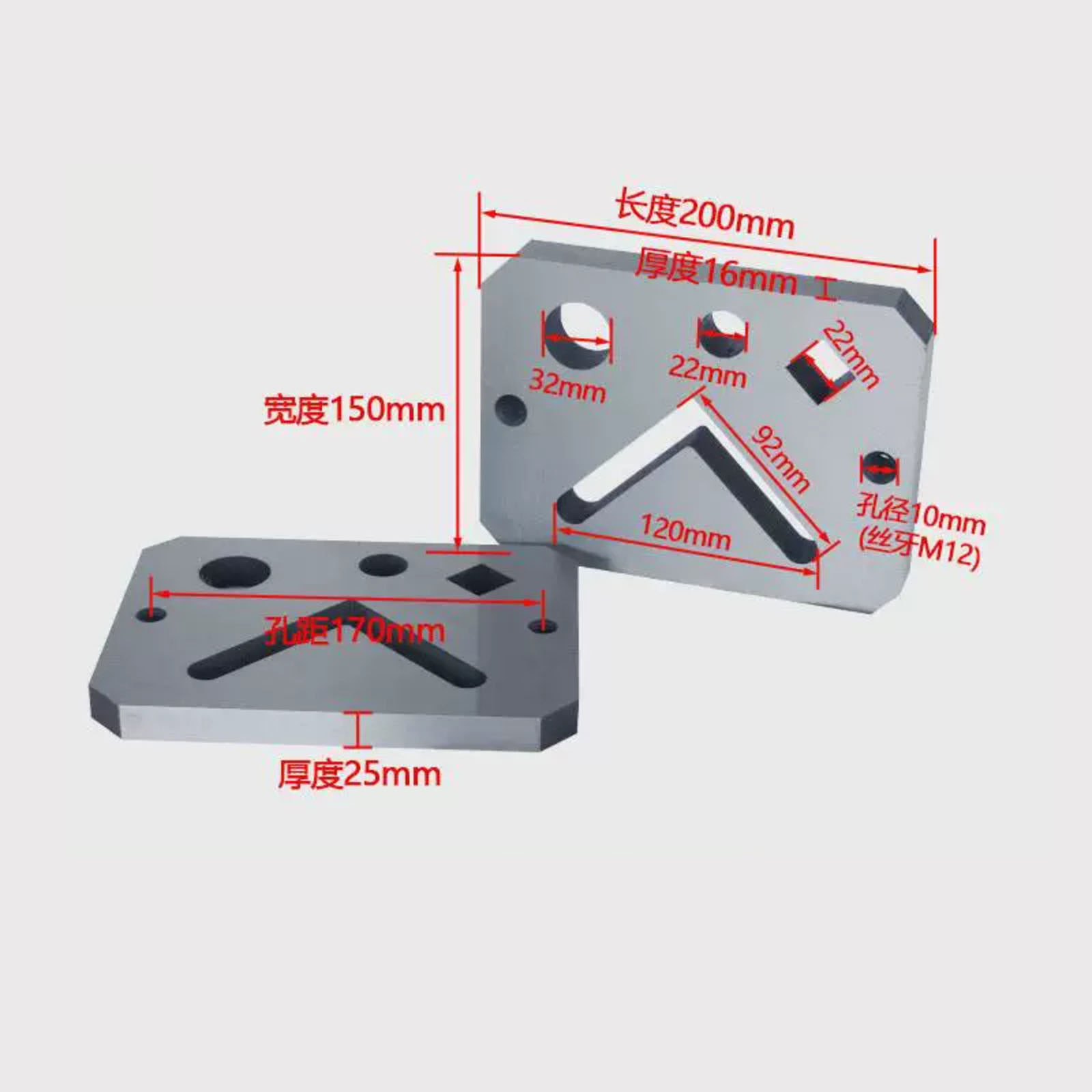
Ironworker shear blades are the main wear-resistant parts of ironworker machines (combined punching and shearing machines). They are designed for cold cutting various metal profiles, including angle steel, flat steel, round steel, channel steel and square steel.
They are used in steel structure factories, construction sites, metal processing plants and steel works. In use, these blades endure high shear impact, edge pressure and repeated friction. Thus, their material, heat treatment and precision processing directly affect cutting efficiency, workpiece quality and equipment service life.
Key Material Selection for Ironworker Shear Blades
The best material for ironworker shear blades depends on profile size, usage frequency and working conditions. The main goal is to balance hardness, wear resistance and toughness to prevent chipping or bending. The three main high-quality materials for industrial-grade blades are as follows:
9CrSi Alloy Tool Steel Blades
Key Advantages
Easy to process and regrind on-site, good value, and moderately tough and wear-resistant.
Applicable Scenarios
Light, occasional cutting; small profiles; and temporary cutting at construction sites.
Suitable for
Small and medium ironworker machines with low usage frequency.
Cr12MoV Cold Work Die Steel Blades (Mainstream First Choice)
Core Hardness
HRC 58-62 after vacuum quenching and low-temperature tempering.
Key Advantages
Made for cold cutting, easy to harden, great balance of wear and impact resistance, hard to chip or bend, and 2-3 times more durable than 9CrSi blades.
Applicable Scenarios
Medium-heavy, frequent continuous cutting; regular industrial profiles; and mass production in steel structure and metal processing factories.
Suitable for
90% of medium and heavy ironworker machines on the market.
H13 Die Steel Blades (Special for Severe Working Conditions)
Core Hardness
HRC 50-55 after quenching.
Key Advantages
Very tough, hard to chip or break, and works well in harsh conditions with impure profile surfaces.
Applicable Scenarios
Extra-heavy cutting; large profiles (angle/channel steel ≥100mm); high-strength alloy steel; and irregular cutting of workpieces with weld scars or hard slag.
Suitable for
Custom super heavy-duty ironworker machines.
Core Performance Requirements of Ironworker Shear Blades
Precision Hardness Control
Edge hardness stays within the standard range—no over-hardening (easy to chip) or under-hardening (fast wear).
Excellent Toughness
Handles sudden shear impact without chipping, cracking or bending.
High Wear Resistance
Stays sharp during frequent cutting, reducing regrinding and replacement needs.
Applicable Cutting Scenarios of Ironworker Shear Blades
Our ironworker shear blades are customized for different metal profiles. Their size matches the ironworker model and profile size exactly, ensuring cutting efficiency and workpiece quality.
Angle Steel Cutting
Fits equal/unequal angle steel (30mm-200mm side length)—the most common use for ironworker machines.
Flat Steel Cutting
Fits flat steel up to 50mm thick, with a smooth, burr-free edge.
Round Steel Cutting
Fits round steel/steel bars up to 25mm in diameter, cutting precisely without deformation.
Channel Steel/Square Steel Cutting
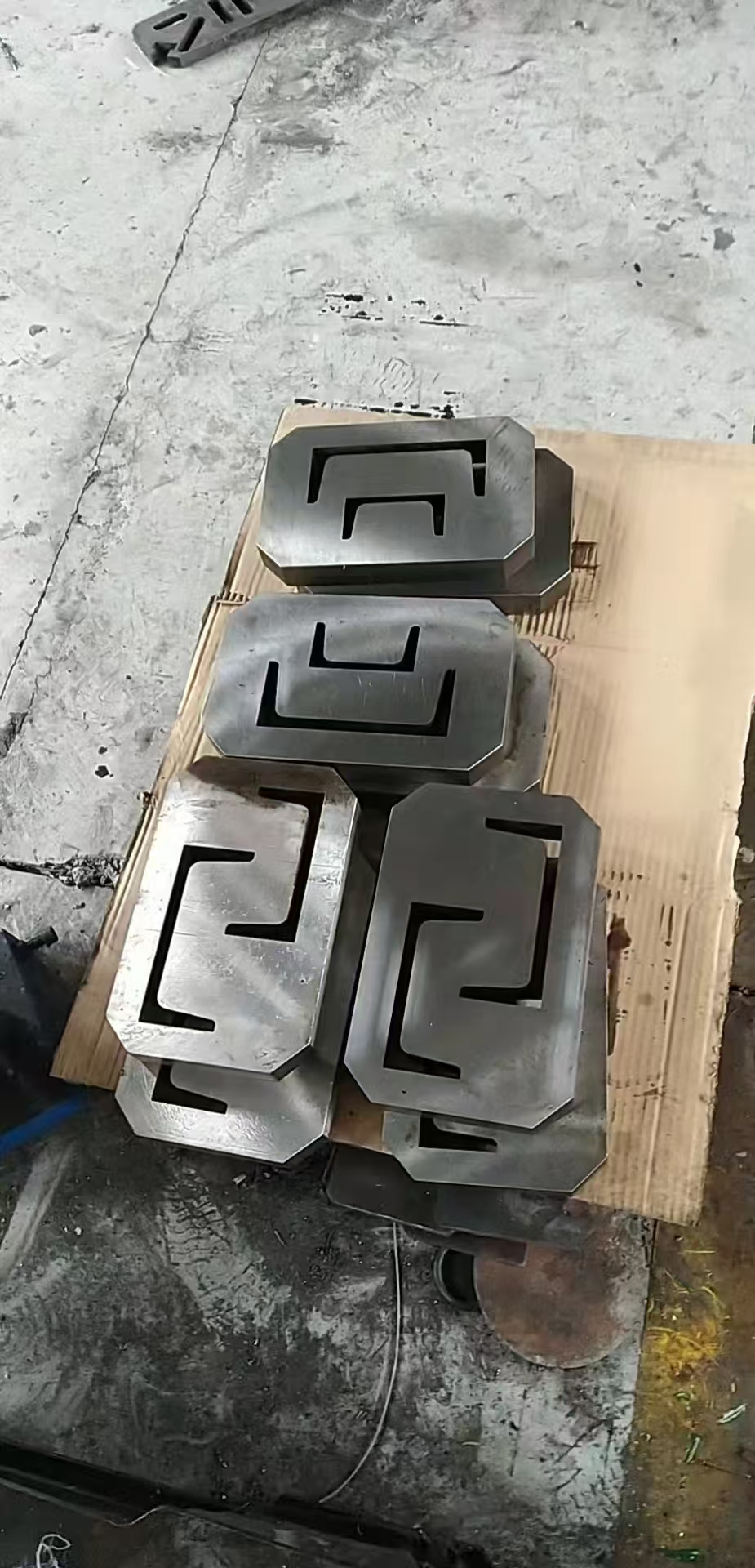
Custom special blades for non-standard profiles, meeting heavy industrial cutting needs.
How to Extend the Service Life of Ironworker Shear Blades?
Proper use and daily maintenance extend blade life and lower production costs. Here are the key steps:
No Over-spec Cutting
Match blade size to profile size exactly. Never use small blades for large profiles—this chips blades and damages equipment.
Precise Gap Adjustment
The gap between upper and lower blades should be 0.05-0.1× profile thickness. Too large = burrs; too small = more machine load and faster blade wear.
Clean Workpiece Impurities
Remove weld scars, hard slag and rust from profiles before cutting. This prevents hard debris from damaging the blade edge.
Regular Equipment Lubrication
Regularly grease the ironworker’s guide rail and pin shaft for smooth operation, preventing uneven blade force.
Why Choose Our Ironworker Shear Blades?
Professional Material Customization
We use high-quality 9CrSi/Cr12MoV/H13 steel based on your needs. 100% raw material guarantee with a material certificate.
Advanced Heat Treatment Technology
Vacuum quenching ensures stable hardness, uniform structure, and a perfect balance of hardness and toughness.
High-precision Processing
CNC precision processing ensures strict size control, a smooth, burr-free edge, and accurate cutting.
Long Service Life
Industrial-grade wear resistance means our blades last much longer than ordinary carbon steel blades, reducing replacements and maintenance.
Customized Service
Custom non-standard blades for special ironworker models and cutting scenarios; OEM/ODM supported.
Complete After-sales Service
On-site use guidance and regrinding advice to solve all your cutting problems.
Introduction
Ironworker machines are metal workshops' "all-rounders." But even the best machines waste material and bend edges without sharp, precise blades (Shear Knives).
Compatibility with Major Brands
Our blades perfectly replace those from major brands (Piranha, Geka, Edwards, Kingsland, Scotchman) — OEM quality at aftermarket prices.
The Superiority of Tool Steel
Our heat treatment prevents blade chipping during high-intensity cutting.
Maintenance Tip: The Importance of Blade Gap
Learn how to adjust the blade gap based on material thickness.
Conclusion & CTA
In short, replacing worn blades with high-quality ones is the easiest way to boost workshop productivity. Browse our ironworker blades or contact us for custom sizes.
Ironworker shear blades
Cr12MoV ironworker blades
H13 ironworker shear blades
Replacement Blades for ironworker
wear-resistant ironworker blades
industrial grade ironworker blades
customized ironworker shear blades