Comprehensive Guide to Industrial Shredder Blades: Selection, Performance & Customization
How can you select industrial shredder blades to simultaneously extend equipment lifespan and reduce operating costs?
A: The key lies in matching the material to the specific shredder type (single-shaft or dual-shaft): for single-shaft models, choose D2 or DC53 (58–62 HRC); for dual-shaft models, use 9CrSi for soft materials, Cr12MoV for hard materials, and H13 for heavy-duty, high-temperature applications. Proper selection can extend blade lifespan by 2–3 times and cut annual maintenance costs by over 40%. This article provides a comprehensive guide covering material comparisons, selection steps, maintenance and replacement, and real-world case studies.
1. Core Selling Points of Industrial Shredder Blades
As a trusted shredder blades supplier, we manufacture durable industrial shredder blades to help clients cut operational and maintenance costs. Our high-grade cutting parts retain sharpness far longer and require fewer replacements, minimizing equipment downtime and ensuring stable operation of shredding lines.
We offer two mainstream blade styles to match most industrial shredders and working scenarios: single-shaft rotary insert blades and twin-shaft claw blades. As an experienced shredder blades supplier, we adopt targeted material matching for different equipment. D2 and DC53 are ideal for single-shaft units, while 9CrSi, Cr12MoV and H13 are preferred for twin-shaft equipment.
All our cutting parts undergo professional vacuum heat treatment with strict hardness calibration. H13 components maintain a stable 52-55 HRC hardness for extended service life. We provide full OEM and ODM customization for size, tooth profile and material, compatible with mainstream brands including Vecoplan, Weima, Lindner and SSI. Backed by 15+ years of manufacturing experience, our fully equipped factory delivers genuine factory-direct industrial shredder blades with no middleman markup.
2. Industrial Shredder Blades Material Performance Comparison Charts
Blade material is the core factor determining wear resistance, toughness and overall service life for shredding equipment. As a professional shredder blades supplier, we have sorted out field-verified material parameters to help customers select the most suitable cutting parts for different waste materials.
Table 1: Single-Shaft Industrial Shredder Blades & Rotary Inserts Material
| Material | Typical Chemical Composition | Hardness (HRC) | Core Features | Recommended Applications |
| D2 | C:1.40–1.60%, Cr:11.00–13.00% | 58–62 | High wear resistance, reliable edge retention | Plastics, timber, light non-ferrous scrap |
| DC53 | C:1.00–1.10%, Cr:8.00–10.00%, Mo:2.00–2.50% | 58–62 | 2-3 times tougher than D2, strong crack resistance | Thick plastic scrap, small electronic waste |
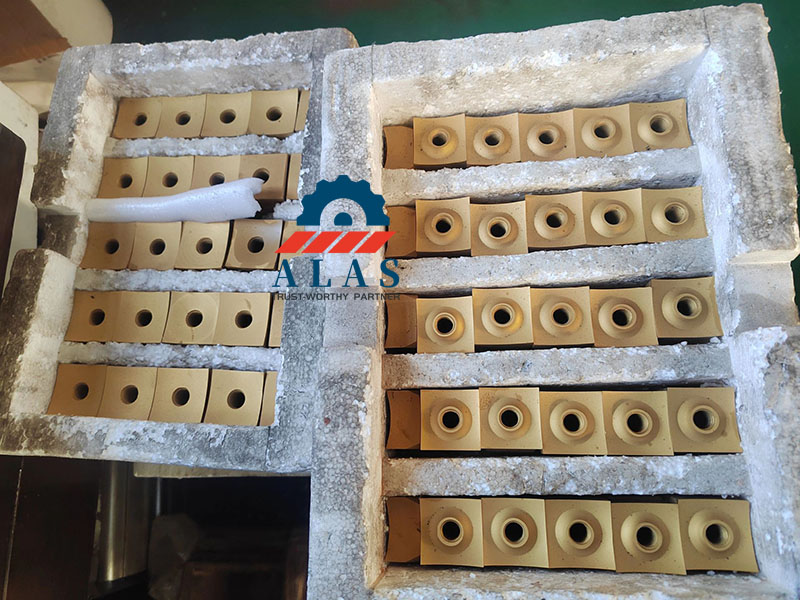
Table 2: Twin-Shaft Industrial Shredder Blades (Claw Blades) Material
| Material | Hardness (HRC) | Wear Resistance | Impact Toughness | Heat Resistance | Typical Applications |
| 9CrSi | 56–60 | Medium | Medium | Low | Rubber, paper, thin plastic films |
| Cr12MoV | 58–62 | High | High | Low | Hardwood, rigid plastic, metal scrap, waste tires |
| H13 | 52–55 | Medium-High | Very High | High | Continuous heavy-duty industrial waste shredding |
| High Manganese Steel | As-cast ~200 HB, work-hardened to 45–55 HRC | Excellent under impact load | Ultra-High | Low | Construction waste, sandy mixed waste |
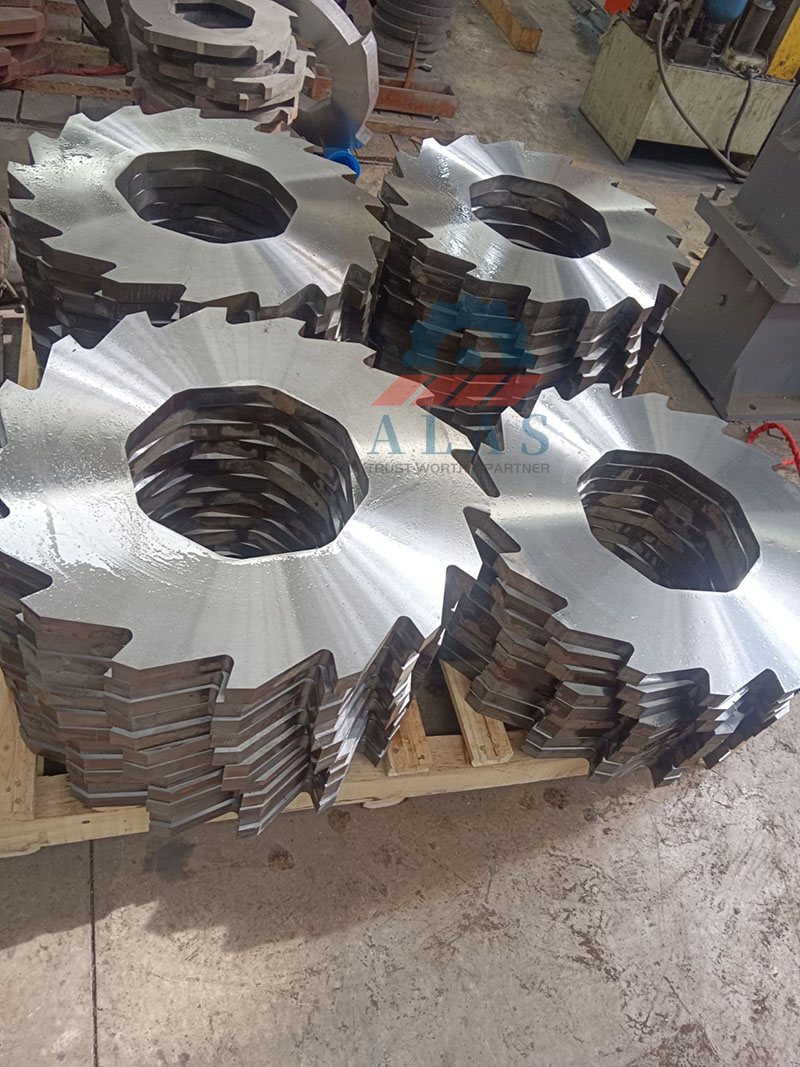
3. Step-by-Step Selection Guide for Industrial Shredder Blades
Selecting proper cutting parts ensures stable shredding output and reduces long-term operating expenses. As a professional shredder blades supplier, we have compiled simple, practical step-by-step selection guidelines for all industrial users.
Step 1: Match blades with your shredder type
Step 2: Select materials based on your waste hardness and impurities
For soft materials such as rubber and plastic film, 9CrSi or D2 materials work perfectly. For medium-hard materials including rigid plastic, hardwood and aluminum cans, Cr12MoV and DC53 are optimal choices. For high-impact, grit-laden materials like construction waste and waste tires, H13 or high manganese steel cutting parts deliver reliable performance. For continuous high-temperature operation, H13 blades with 52–55 HRC hardness ensure maximum stability.
Step 3: Configure blades according to required output size
To achieve fine output below 20mm, equip twin-shaft machines with 8/12-tooth claw blades and single-shaft machines with small-aperture screens. For coarse output ranging from 20mm to 80mm, thickened 2/3-tooth cutting components are recommended for twin-shaft shredders.
Step 4: Send full parameters for accurate custom blades
To obtain fully customized, well-fitted cutting parts, provide detailed information including your shredder brand, model, shaft diameter, mounting hole size, blade thickness, tooth count, waste material type and daily processing capacity. Our team, as a professional shredder blades supplier, will tailor exclusive solutions for your equipment.
4. Maintenance & Replacement Guidelines for Industrial Shredder Blades
Standardized daily maintenance effectively prolongs the service life of shredder cutting components and cuts frequent replacement costs. As a reliable shredder blades supplier, we share practical, field-tested maintenance and replacement protocols.
Step 1: Check bolt tightness daily
Use a torque wrench to tighten all blade fixing bolts before startup and after equipment shutdown. Loose fasteners are the leading cause of abnormal blade wear and cracking.
Step 2: Adjust blade clearance every 200 working hours
Maintain a 0.5–1.5mm gap between rotary and fixed knives on single-shaft shredders. For twin-shaft models, keep inter-tooth clearance within 2mm. Adjust gaskets promptly once the gap exceeds the standard range.
Step 3: Grind worn blades properly (max 4 times)
Resharpen dull blades with a maximum grinding depth of 0.5mm per time, retaining the original 45°–60° cutting angle. Optional edge re-heat treatment can restore blade hardness and cutting performance after grinding.
Step 4: Replace damaged blades in complete sets
Never replace single damaged blades individually. Always update cutting components in pairs or full sets to avoid spindle vibration and subsequent equipment damage caused by unbalanced rotation. Conduct a 15-minute no-load test run after new installation.
Step 5: Anti-rust care for long-term storage
Coat idle cutting parts with anti-rust oil and store them in dry indoor environments to prevent oxidation and corrosion during long-term storage.
5. Industry Standards & Customer Case Study
As a professional shredder blades supplier, all our cutting components are manufactured in strict accordance with international industry standards, with stable performance validated by numerous on-site industrial projects.
Authoritative Industry Standards
Raw material chemical composition complies with ASTM A681 and DIN 17350 tool steel standards. Vacuum heat treatment follows AMS 2750 specifications with furnace temperature deviation controlled within ±5°C. All batches undergo hardness testing per ISO 6508-1 Rockwell hardness standards.
2024 Municipal Solid Waste Treatment Plant Case Study
A municipal waste treatment facility processes mixed household waste, textiles, sandy impurities and bulky furniture using a 6RPM low-speed twin-shaft shredder. The original standard Cr12MoV cutting parts only achieved 320 working hours with frequent edge chipping issues. After upgrading to our custom H13 heavy-duty claw blades (52–55 HRC, 50mm thickness, 8-tooth design), the service life extended to 860 hours, a 168% improvement. With 4 valid resharpening cycles, the total service lifespan exceeds 3000 hours. The facility’s annual maintenance costs decreased by 42%, and the client placed a full repeat OEM order for our parts.
6. FAQ for Industrial Shredder Blades
Below are common questions about our products and factory cooperation, answered by our professional shredder blades supplier team.
Q1: Are you a shredder blades factory or trading company?
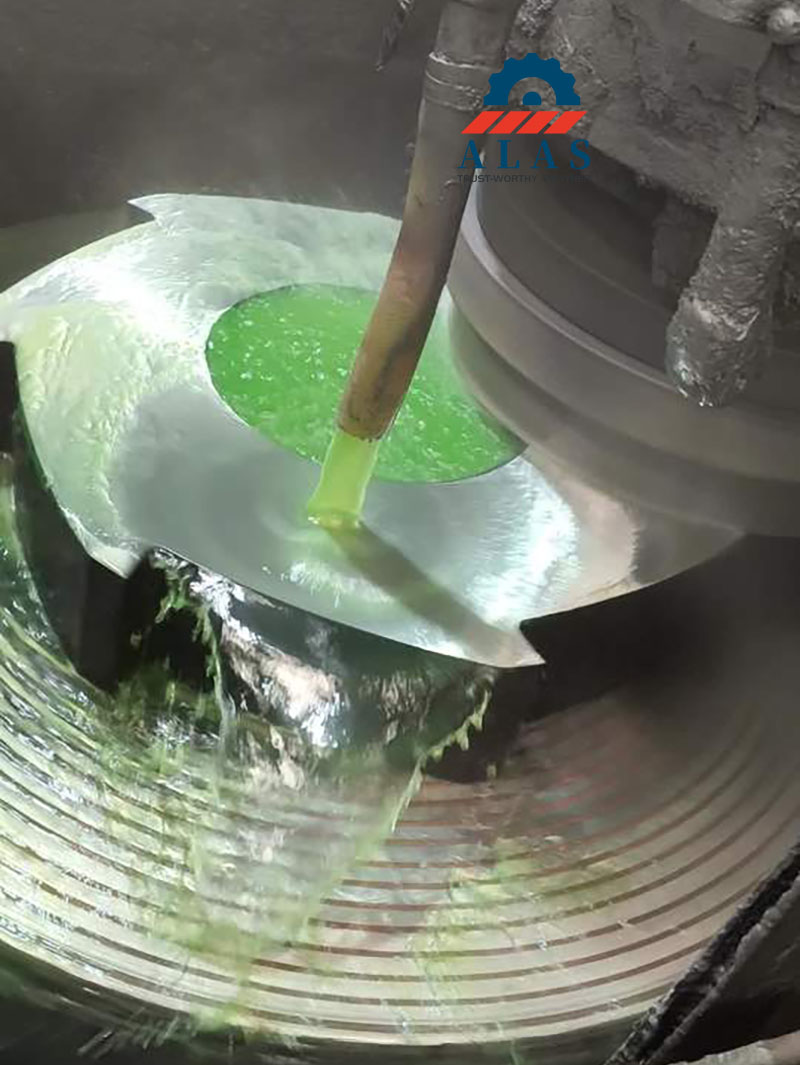
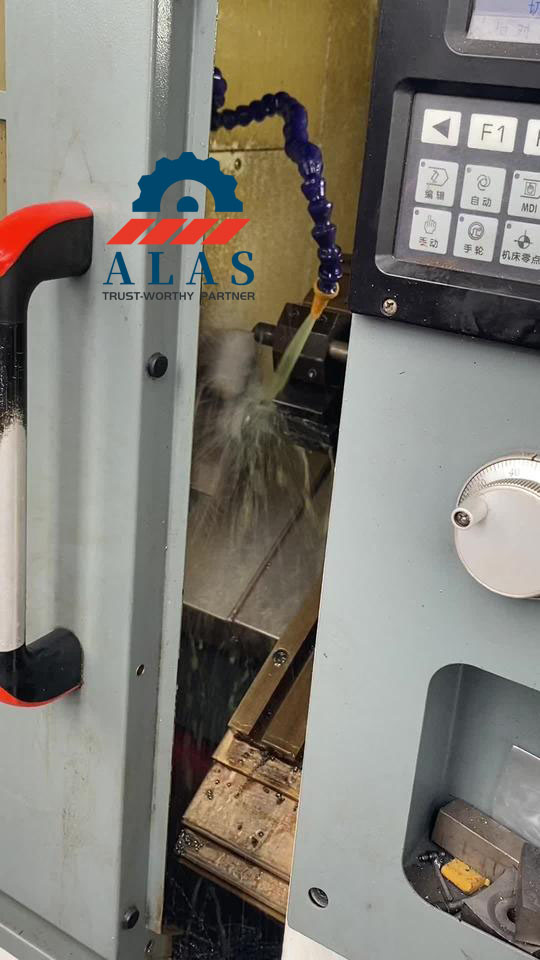
A: We are a direct factory-based shredder blades supplier. We own independent CNC machining workshops, heat treatment production lines and QC laboratories, providing factory-manufactured industrial shredder blades with no intermediate agents.
Q2: What hardness levels do your blades support?
A: Our single-shaft D2 and DC53 blades feature 58–62 HRC hardness. Twin-shaft options include 9CrSi (56–60 HRC), Cr12MoV (58–62 HRC), and our premium heavy-duty H13 blades stably maintain 52–55 HRC.
Q3: Can I get free blade samples for testing?
A: Yes, we provide free product samples. Customers only need to cover the shipping fees.
Q4: How many times can the blades be reground?
A: Each cutting edge of our industrial shredder blades supports up to 4 professional resharpening cycles without compromising cutting stability and performance.
Q5: What shredder brands are your blades compatible with?
A: Our industrial shredder blades fit mainstream equipment brands including Lindner, Hammel, Mewa, CM, Genox, Forrec, Eldan and 3E, as well as most domestic shredder models. As a flexible shredder blades supplier, we customize non-standard parts for special equipment.
Q6: What is your minimum order quantity?
A: Standard industrial shredder blades have an MOQ of 10 pieces, and we welcome small trial orders for new cooperative clients.
Q7: What is your production lead time?
A: Standard products take 10–15 working days for delivery, while customized industrial shredder blades require 15–25 working days.
Q8: What after-sales services do you offer?
A: As a professional shredder blades supplier, we provide full supporting services including on-site installation guidance, gap calibration, remote fault diagnosis and global technical consultation.
Q9: How to select blades for different waste materials?
A: For plastic, wood and paper waste, choose D2 or Cr12MoV blades. For waste tires and rubber materials, DC53 or H13 options are preferred. For heavy metal and harsh industrial waste, H13 or carbide-tipped custom industrial shredder blades deliver optimal performance.
Q10: How are export blades packaged?
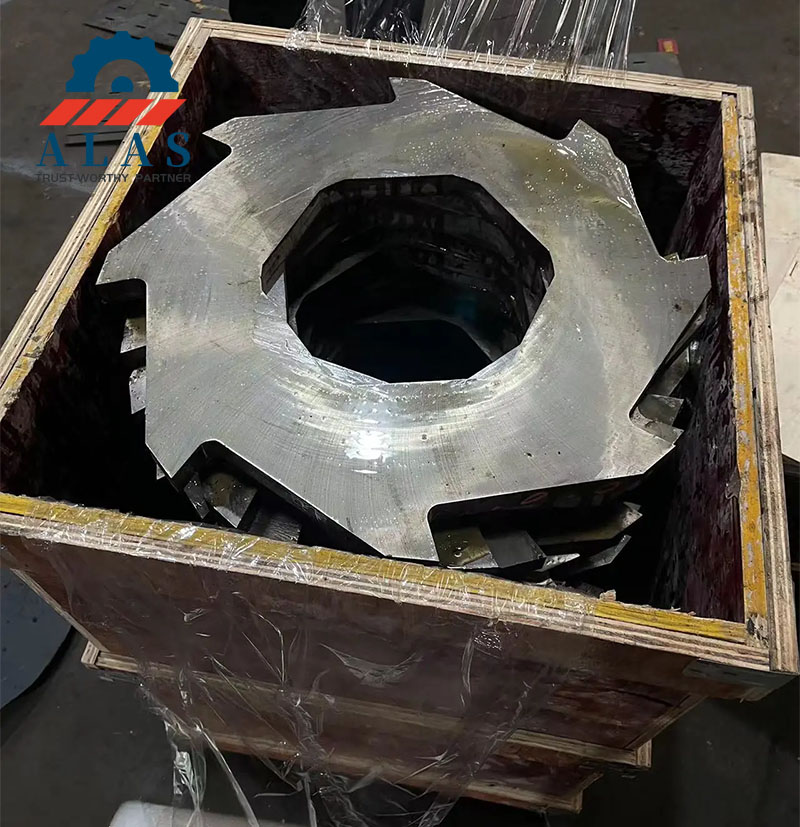
A: All export-grade industrial shredder blades are coated with anti-rust oil and packed in fumigation-free wooden cases, fully suitable for long-distance maritime transportation.
7. Why Choose ALAS as Your Reliable Shredder Blades Supplier?
With over 15 years of professional manufacturing experience, we are a reliable shredder blades supplier specializing in high-quality industrial shredder blades, pelletizer blades and industrial shear blades, serving waste recycling and shredding enterprises across the globe.
We implement strict full-process quality control for all blades: raw material spectrum inspection, CNC precision machining, vacuum heat treatment, and random hardness & impact testing. Every finished batch meets heavy-duty industrial standards.
We support flexible OEM and ODM customization services, including laser logo engraving, private labeling and personalized export packaging. Our industrial shredder blades have been exported to more than 30 countries, recognized for stable quality and responsive technical support.
Share your shredder model, blade drawings or waste processing conditions with our team, and get a customized quote for premium industrial shredder blades from a trustworthy shredder blades supplier.