


Phone:
86-15852949220


 |


In the scrap metal industry, downtime is lost revenue. Processing tons of scrap rebar daily requires cutting tools that can withstand unpredictable material hardness, rust, and continuous high-impact cycles. Choosing the right scrap rebar cutter blade is the difference between a profitable recycling operation and constant machine maintenance.
Unlike new construction rebar, scrap rebar is often corroded, bent, or bundled with other metal debris. This puts extreme stress on the cutting edge. Standard blades often fail due to:
Abrasive Wear: Rust and scale act like sandpaper on the blade surface.
To combat this, we utilize advanced heat treatment to ensure our blades maintain a tough core while possessing a high-surface hardness.
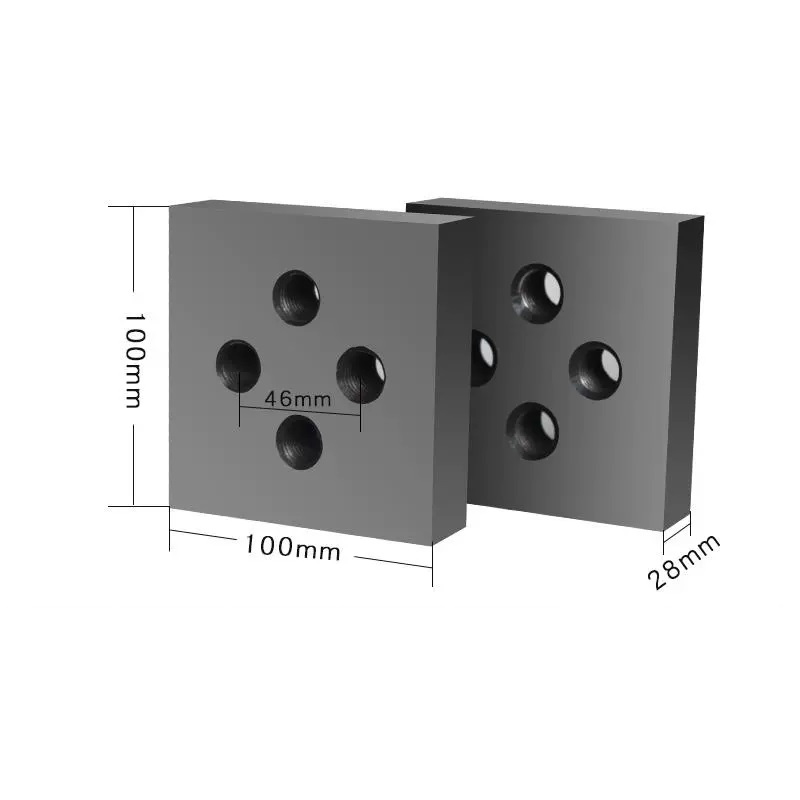
| NO. | Product Name | Specification Dimensions (length x width x height/thickness) ) | Material | Remarks |
| 1 | Rebar Cutter Blade size | 90*90*20 mm | ||
| 2 | 90*90*26mm | |||
| 3 | 100*100*30mm | |||
| 4 | 110*110*20 mm | |||
| 5 | 100*30*75 mm | |||
| 6 | 85x65x30 mm | |||
I will provide you with usage suggestions based on material selection, equipment matching, cutting material, and manufacturing process:
The blade material directly determines its hardness, toughness, and service life. Choose the material according to your cutting needs:
C: 0.32–0.45%Cr: 4.75–5.50%Mo: 1.10–1.75%Si: 0.80–1.20%Mn: 0.20–0.60%V: 0.80–1.20%P, S ≤ 0.030%Balance Fe
Medium C: Balances strength and high toughness to avoid chipping.
Cr + Mo + V: Greatly improves heat resistance, hot cracking resistance and impact strength.
Si: Improves high-temperature strength and temper stability.
Hardness: HRC 50–55
Excellent toughness, impact resistance and chipping resistance,outstanding heat resistance and thermal fatigue resistance.
Application: Hot shear blades, thick blades, and high-impact rebar cutting conditions.
Currently the mainstream high-quality blade material on the market, possessing both extremely high wear resistance and toughness, with outstanding resistance to thermal cycling. Even during long-term, high-intensity continuous cutting, it is not prone to deformation or chipping, making it suitable for large-scale processing of high-strength rebar.
C: 1.45–1.70%Cr: 11.00–12.50%Mo: 0.40–0.60%V: 0.15–0.30%Si ≤ 0.40%Mn ≤ 0.40%P, S ≤ 0.030%Balance Fe
Effects of Chemical Composition
High C + high Cr: Forms massive hard carbides for extremely high wear resistance.
Molybdenum (Mo): Refines grains, reduces brittleness, improves toughness and fatigue resistance.
Vanadium (V): Further refines microstructure, enhances wear resistance and edge retention.
High compressive and bending strength,excellent wear life and chipping resistance.
High-hardness, high-wear-resistance tool steel. Its hardness far exceeds that of ordinary alloy blades, and it can handle the cutting needs of high-hardness cold-rolled rebar. Note that its toughness is relatively weaker; it is recommended to avoid using it in high-impact, large-gap cutting conditions.
Shape Matching: Common blade shapes are square (four sides usable) and rectangular. Square blades allow for the rotation of four cutting edges, significantly extending their service life, suitable for large-scale processing scenarios; rectangular blades are mostly single-sided or double-sided, suitable for small-tonnage cutting machines.
Size Matching: Different tonnage cutting machines (such as GQ40, GQ50, GQ60) have specific standards for blade thickness, length, width, and bolt hole spacing. Selection must strictly follow the equipment's instruction manual.
Ordinary Round Steel: Low hardness and low cutting resistance. 9CrSi or Cr12MoV materials are sufficient, meeting basic cutting needs while controlling costs.
Blades processed through full grinding and vacuum heat treatment are preferred. These blades have a uniform hardness distribution, good edge retention, and are less prone to chipping or dulling during cutting.
Our blades, through optimized hardening depth and toughness, address the common industry problem of brittle fracture when cutting high-strength rebar
Base Grade | Steel Category | Chinese Standard GB/T 1299 | American Standard ASTM | German Standard DIN (W-Nr.) | Japanese Standard JIS |
H13 | Hot Work Die Steel | 4Cr5MoSiV1 | H13 | 1.2344 | SKD61 |
Cr12MoV | Cold Work Die Steel | Cr12MoV | 1.2601 | SKD11 | |
9CrSi | Alloy Tool Steel (Cutting Tool Steel) | 9CrSi | 1.2108 |
H13 material — a premium hot-work tool steel composed of 0.32-0.45% C (Carbon), 4.75-5.50% Cr (Chromium), 1.10-1.75% Mo (Molybdenum), 0.80-1.20% V (Vanadium), and trace amounts of Si (Silicon) and Mn (Manganese).
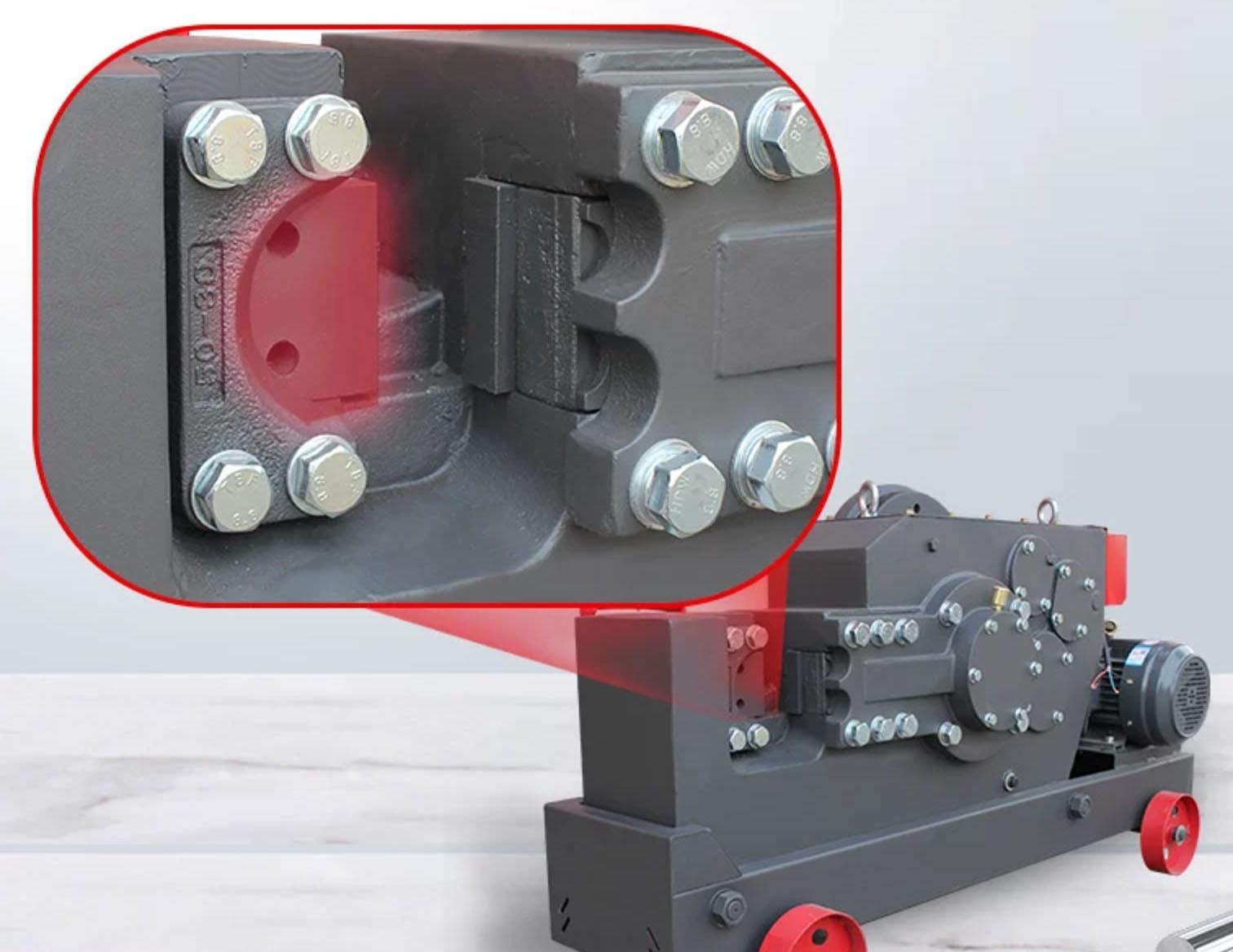
Core Principles: Power off and stop completely → Confirm no pressure → Standard disassembly and assembly → Precise adjustment → Test run verification. Avoid pressurized and live electrical operation throughout the process to prevent blade pinching injuries and accidental equipment startup risks.
Turn off the main power supply of the cutting machine, unplug the power cord/switch off the circuit breaker; manually rotate the equipment flywheel to confirm that the blade holder has no inertial movement and is completely stationary, preventing accidental equipment startup.
Loosen the unloading valve of the equipment's hydraulic system (for hydraulic models), completely release the hydraulic pressure inside the blade holder to prevent the blade holder from suddenly rebounding; remove the safety guard and fixing clips at the blade, and clean up rebar scraps and debris between the blade holder and the blade to ensure unobstructed disassembly and assembly space.
Use a special wrench to loosen the blade fixing bolts (disassemble in a diagonal sequence to prevent deformation of the blade holder), strictly avoid directly striking the blade/bolts with a hammer; during disassembly, steadily support the blade with your hand and place the old blade properly in a non-slip, non-impact area.
Smoothly fit the new blade to the positioning surface of the blade holder, confirm that the blade installation direction (cutting edge facing the shearing side) is correct, and gradually tighten the fixing bolts in a diagonal sequence (even torque to prevent blade misalignment); adjust the gap between the moving and stationary blades, the conventional rebar cutting gap is controlled at 0.1~0.3mm, a gap that is too large is prone to material jamming, and a gap that is too small is prone to blade wear.
Reset and lock the safety guard; after switching on the power, jog the equipment 2-3 times without load, check that the blade holder runs smoothly and the blade is free from jamming/abnormal noise, and after confirming that the shearing action is normal, then perform a rebar test cut. If the test cut is successful, it can be used normally.

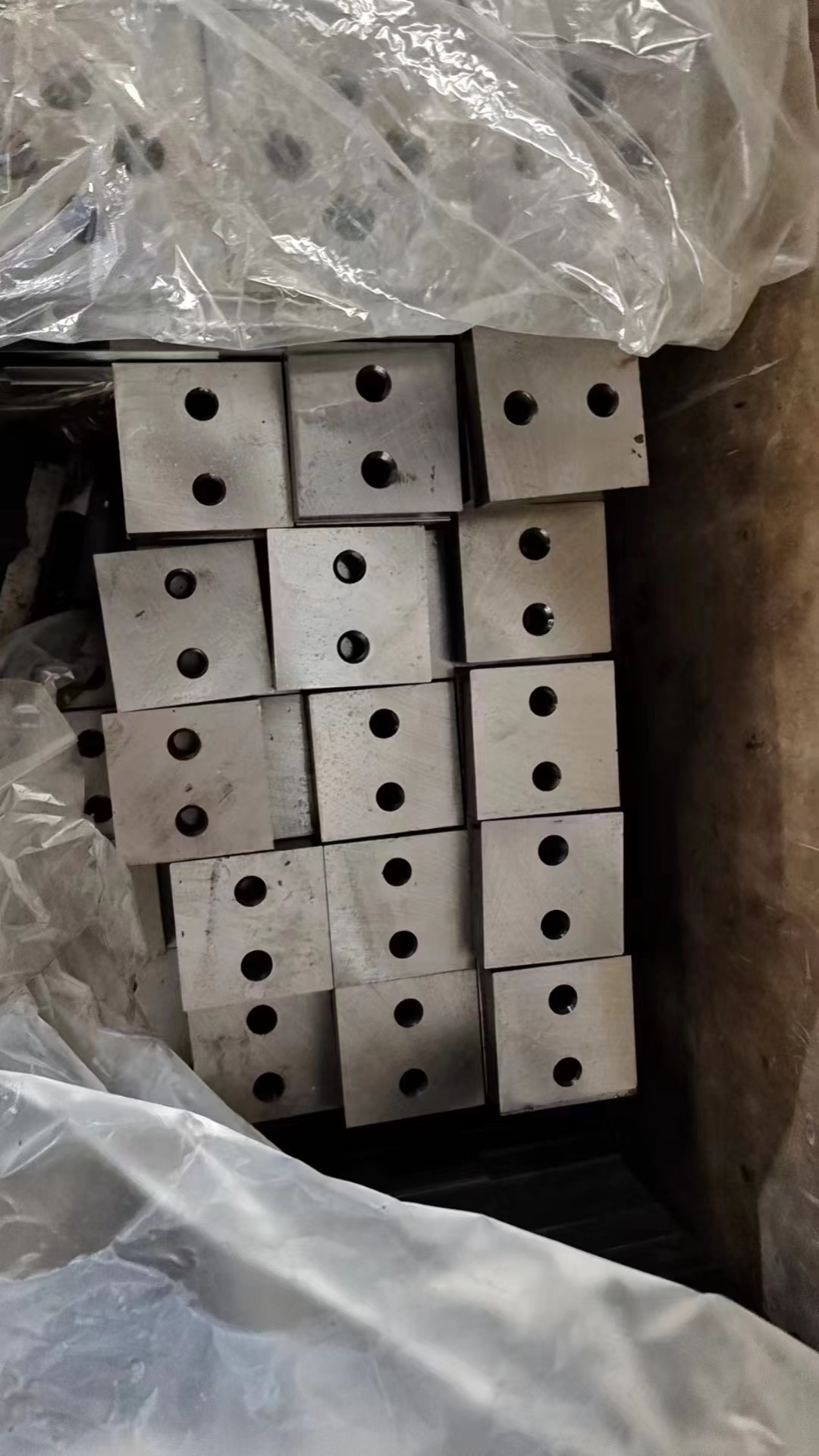

Based on different working conditions and budget requirements, we offer three general industrial-grade alloy steel materials:
Chipping is usually caused by the following factors:
In the scrap metal industry, downtime is lost revenue. Processing tons of scrap rebar daily requires cutting tools that can withstand unpredictable material hardness, rust, and continuous high-impact cycles. Choosing the right scrap rebar cutter blade is the difference between a profitable recycling operation and constant machine maintenance.
Unlike new construction rebar, scrap rebar is often corroded, bent, or bundled with other metal debris. This puts extreme stress on the cutting edge. Standard blades often fail due to:
Abrasive Wear: Rust and scale act like sandpaper on the blade surface.
To combat this, we utilize advanced heat treatment to ensure our blades maintain a tough core while possessing a high-surface hardness.
| NO. | Product Name | Specification Dimensions (length x width x height/thickness) ) | Material | Remarks |
| 1 | Rebar Cutter Blade size | 90*90*20 mm | ||
| 2 | 90*90*26mm | |||
| 3 | 100*100*30mm | |||
| 4 | 110*110*20 mm | |||
| 5 | 100*30*75 mm | |||
| 6 | 85x65x30 mm | |||
I will provide you with usage suggestions based on material selection, equipment matching, cutting material, and manufacturing process:
The blade material directly determines its hardness, toughness, and service life. Choose the material according to your cutting needs:
C: 0.32–0.45%Cr: 4.75–5.50%Mo: 1.10–1.75%Si: 0.80–1.20%Mn: 0.20–0.60%V: 0.80–1.20%P, S ≤ 0.030%Balance Fe
Medium C: Balances strength and high toughness to avoid chipping.
Cr + Mo + V: Greatly improves heat resistance, hot cracking resistance and impact strength.
Si: Improves high-temperature strength and temper stability.
Hardness: HRC 50–55
Excellent toughness, impact resistance and chipping resistance,outstanding heat resistance and thermal fatigue resistance.
Application: Hot shear blades, thick blades, and high-impact rebar cutting conditions.
Currently the mainstream high-quality blade material on the market, possessing both extremely high wear resistance and toughness, with outstanding resistance to thermal cycling. Even during long-term, high-intensity continuous cutting, it is not prone to deformation or chipping, making it suitable for large-scale processing of high-strength rebar.
C: 1.45–1.70%Cr: 11.00–12.50%Mo: 0.40–0.60%V: 0.15–0.30%Si ≤ 0.40%Mn ≤ 0.40%P, S ≤ 0.030%Balance Fe
Effects of Chemical Composition
High C + high Cr: Forms massive hard carbides for extremely high wear resistance.
Molybdenum (Mo): Refines grains, reduces brittleness, improves toughness and fatigue resistance.
Vanadium (V): Further refines microstructure, enhances wear resistance and edge retention.
High compressive and bending strength,excellent wear life and chipping resistance.
High-hardness, high-wear-resistance tool steel. Its hardness far exceeds that of ordinary alloy blades, and it can handle the cutting needs of high-hardness cold-rolled rebar. Note that its toughness is relatively weaker; it is recommended to avoid using it in high-impact, large-gap cutting conditions.
Shape Matching: Common blade shapes are square (four sides usable) and rectangular. Square blades allow for the rotation of four cutting edges, significantly extending their service life, suitable for large-scale processing scenarios; rectangular blades are mostly single-sided or double-sided, suitable for small-tonnage cutting machines.
Size Matching: Different tonnage cutting machines (such as GQ40, GQ50, GQ60) have specific standards for blade thickness, length, width, and bolt hole spacing. Selection must strictly follow the equipment's instruction manual.
Ordinary Round Steel: Low hardness and low cutting resistance. 9CrSi or Cr12MoV materials are sufficient, meeting basic cutting needs while controlling costs.
Blades processed through full grinding and vacuum heat treatment are preferred. These blades have a uniform hardness distribution, good edge retention, and are less prone to chipping or dulling during cutting.
Our blades, through optimized hardening depth and toughness, address the common industry problem of brittle fracture when cutting high-strength rebar
Base Grade | Steel Category | Chinese Standard GB/T 1299 | American Standard ASTM | German Standard DIN (W-Nr.) | Japanese Standard JIS |
H13 | Hot Work Die Steel | 4Cr5MoSiV1 | H13 | 1.2344 | SKD61 |
Cr12MoV | Cold Work Die Steel | Cr12MoV | 1.2601 | SKD11 | |
9CrSi | Alloy Tool Steel (Cutting Tool Steel) | 9CrSi | 1.2108 |
H13 material — a premium hot-work tool steel composed of 0.32-0.45% C (Carbon), 4.75-5.50% Cr (Chromium), 1.10-1.75% Mo (Molybdenum), 0.80-1.20% V (Vanadium), and trace amounts of Si (Silicon) and Mn (Manganese).
Core Principles: Power off and stop completely → Confirm no pressure → Standard disassembly and assembly → Precise adjustment → Test run verification. Avoid pressurized and live electrical operation throughout the process to prevent blade pinching injuries and accidental equipment startup risks.
Turn off the main power supply of the cutting machine, unplug the power cord/switch off the circuit breaker; manually rotate the equipment flywheel to confirm that the blade holder has no inertial movement and is completely stationary, preventing accidental equipment startup.
Loosen the unloading valve of the equipment's hydraulic system (for hydraulic models), completely release the hydraulic pressure inside the blade holder to prevent the blade holder from suddenly rebounding; remove the safety guard and fixing clips at the blade, and clean up rebar scraps and debris between the blade holder and the blade to ensure unobstructed disassembly and assembly space.
Use a special wrench to loosen the blade fixing bolts (disassemble in a diagonal sequence to prevent deformation of the blade holder), strictly avoid directly striking the blade/bolts with a hammer; during disassembly, steadily support the blade with your hand and place the old blade properly in a non-slip, non-impact area.
Smoothly fit the new blade to the positioning surface of the blade holder, confirm that the blade installation direction (cutting edge facing the shearing side) is correct, and gradually tighten the fixing bolts in a diagonal sequence (even torque to prevent blade misalignment); adjust the gap between the moving and stationary blades, the conventional rebar cutting gap is controlled at 0.1~0.3mm, a gap that is too large is prone to material jamming, and a gap that is too small is prone to blade wear.
Reset and lock the safety guard; after switching on the power, jog the equipment 2-3 times without load, check that the blade holder runs smoothly and the blade is free from jamming/abnormal noise, and after confirming that the shearing action is normal, then perform a rebar test cut. If the test cut is successful, it can be used normally.
Based on different working conditions and budget requirements, we offer three general industrial-grade alloy steel materials:
Chipping is usually caused by the following factors: