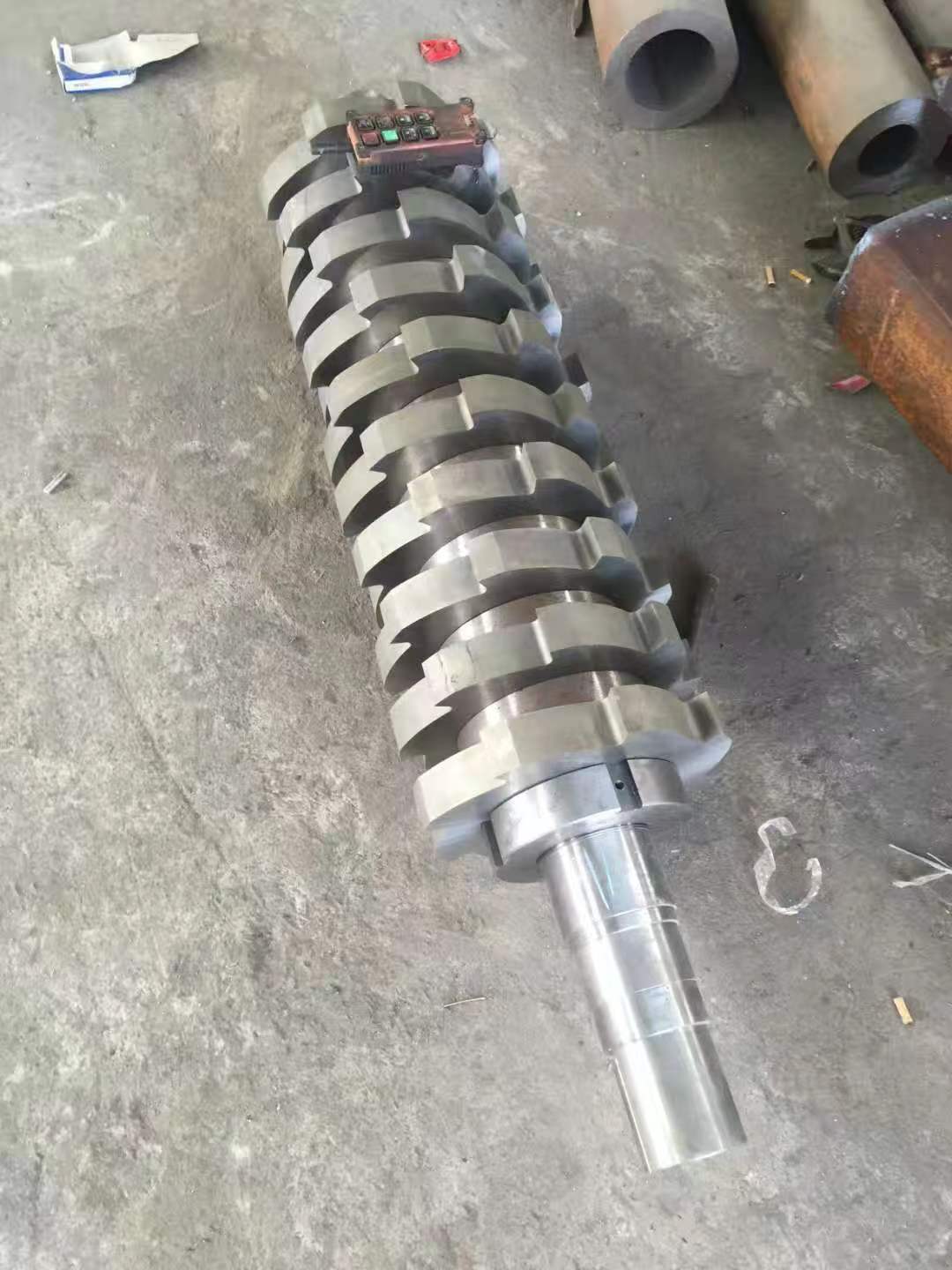
Single-Shaft & Twin-Shaft Shredder Blades: Core Cutting Tools for Industrial Recycling
Shredder blades are the key cutting parts of single-shaft and twin-shaft shredders. They cut, tear and crush all kinds of solid waste. How well they work directly affects the shredder’s speed, output quality and service life. Choosing the right blades—material, design, and size—helps cut downtime, save money, and improve recycling results.
Core Advantages of Shredder Blades
Good shredder blades offer three key benefits for industrial recycling:
-
Durable Performance: Made from tough alloy steels like D2, DC53, H13, and Cr12MoV. They go through precise forging, vacuum heat treatment, and CNC grinding. This lets them resist high force, impact, and wear, avoiding frequent chipping, bending, or breaking.
-
High Efficiency: Improved designs such as multi-edge cutting, staggered blades, and easy-change parts mean faster cutting, consistent output size, and lower energy use—saving 15%–30% energy.
-
Cost Savings: High-quality blades can be sharpened multiple times. SKD-11/DC53 blades can be reground 4 times, and they last longer. This cuts replacement and maintenance costs, supporting 24/7 industrial operation.
Material Selection: Match Blades to Your Waste
Blade performance depends on choosing the right material for your waste type. Different wastes need different materials to balance durability, toughness, and cost.
Single-Shaft Shredder Blade Materials
Single-shaft shredders work best for small to medium-scale recycling of one waste type. Blade materials focus on durability and stable cutting:
-
D2 Alloy: Very durable, ideal for rough materials like filled hard plastics. Hardness: HRC 58–60. Stable structure for continuous friction and wear. Note: Less tough—may chip if waste has impurities.
-
DC53 Alloy: Better than D2. Harder (HRC 62–63) and twice as tough. Resists impact and chipping well. Good for mixed materials, PVC, rubber, and light metals. The best choice for most work scenarios, especially complex ones.
Twin-Shaft Shredder Blade Materials
Twin-shaft shredders handle high force and impact. Blades need a balance of toughness and durability:
-
High Manganese Steel (ZGMn13): Tough and impact-resistant. Gets harder with use. Perfect for municipal solid waste, construction waste, and materials with sand/impurities.
-
Alloy Tool Steel (9CrSi): Hard, durable, and low-cost. Good for soft materials like rubber, paper, and fiber.
-
Cold Work Tool Steel (Cr12MoV, SKD-11): Very durable and tough. Little deformation after heat treatment. Hardness: HRC 58–62. Good for medium-to-hard materials like wood, hard plastic, metal scrap, e-waste, and tires.
-
Hot Work Tool Steel (H13): Balances durability and toughness. Versatile for high-load, continuous industrial waste processing.
-
D2/DC53 Alloy: Also works for twin-shaft heavy-duty crushing. DC53 is better for mixed materials and high-impact work; D2 suits single-type rough materials.
Structural Design: Match Blades to Your Work Scenario
Single-Shaft Shredder Blade Structure
-
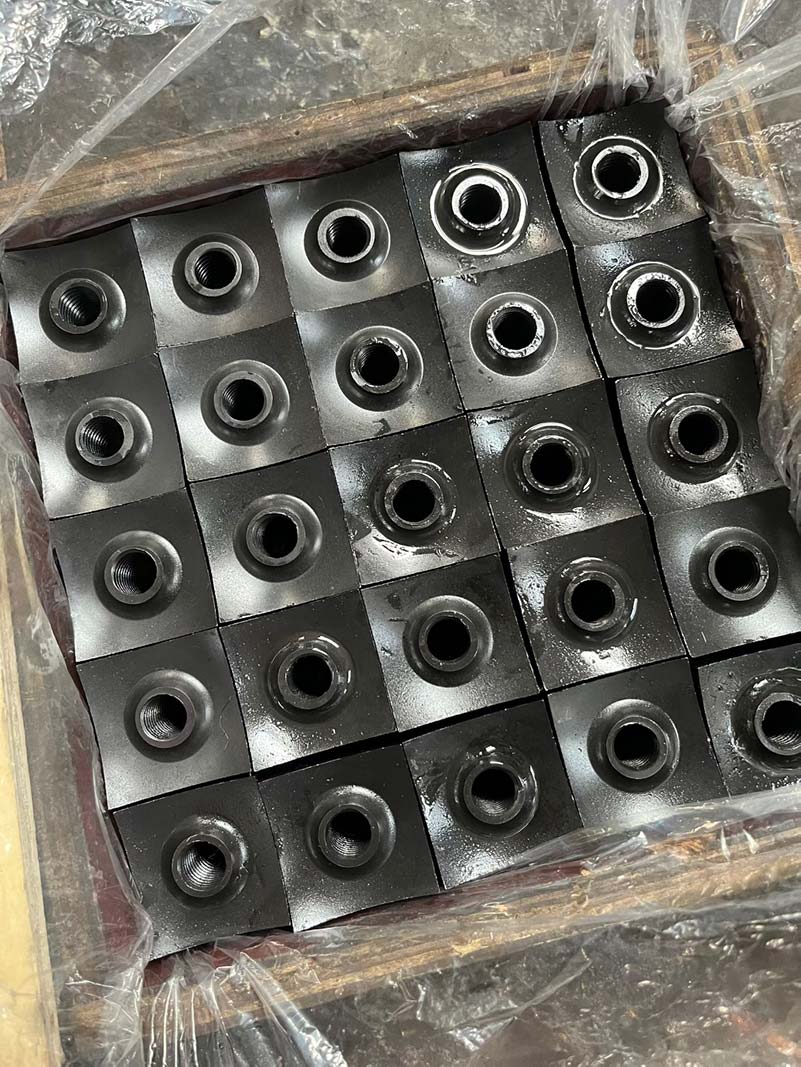
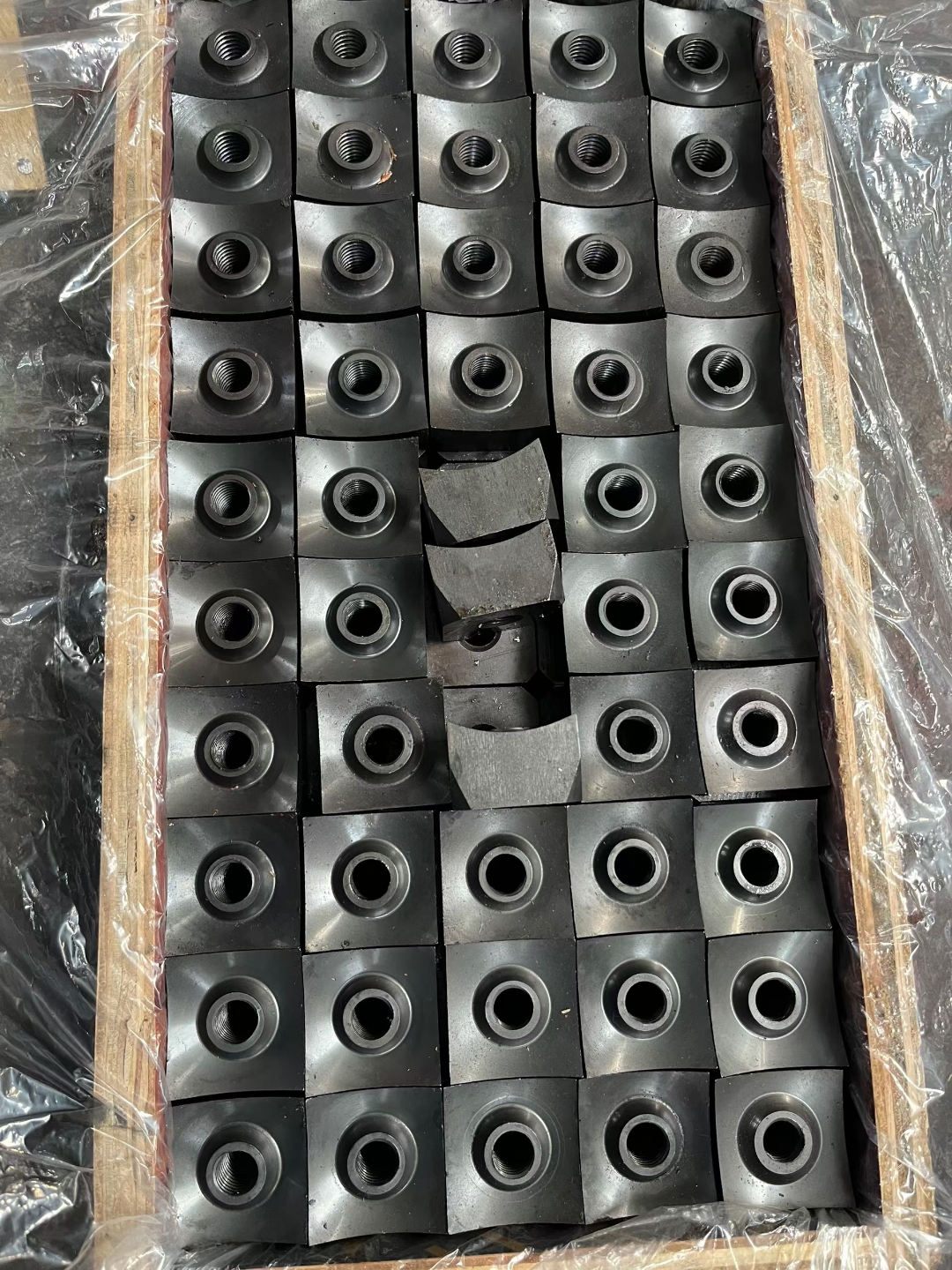
Overall Design: Blades fix to the main shaft’s holder via a central hole (convex or flat type). They work with fixed blades to cut waste. Easy to maintain, grips waste well, and cuts fast.
-
Shape & Size: Mostly small square blades, available in three sizes:
-
Small (35×35×25mm): Dense blades for fine cutting. Good for soft materials like plastic films and woven bags. Output size: 20–25mm.
-
Standard (40×40×25mm, 60×60mm): Balances speed and versatility. Cuts solid blocks, waste cartons, plastic bottles, etc. Output size: 25–40mm.
-
Large (80×80×30mm): Strong and impact-resistant. Cuts large, hard materials like wood, tires, and thick plastic sheets. Output size: 50mm+. Needs high-power equipment.
-
Manufacturing Process: Strict quality control at every step:
-
Blanking and forging (prepares the metal)
-
Differentiated heat treatment (DC53: HRC 62–63; D2: HRC 58–60)
-
Precision machining (CNC, wire cutting, grinding)
-
Full inspection (hardness, size, surface defects) to ensure reliable industrial use.
Twin-Shaft Shredder Blade Structure
-
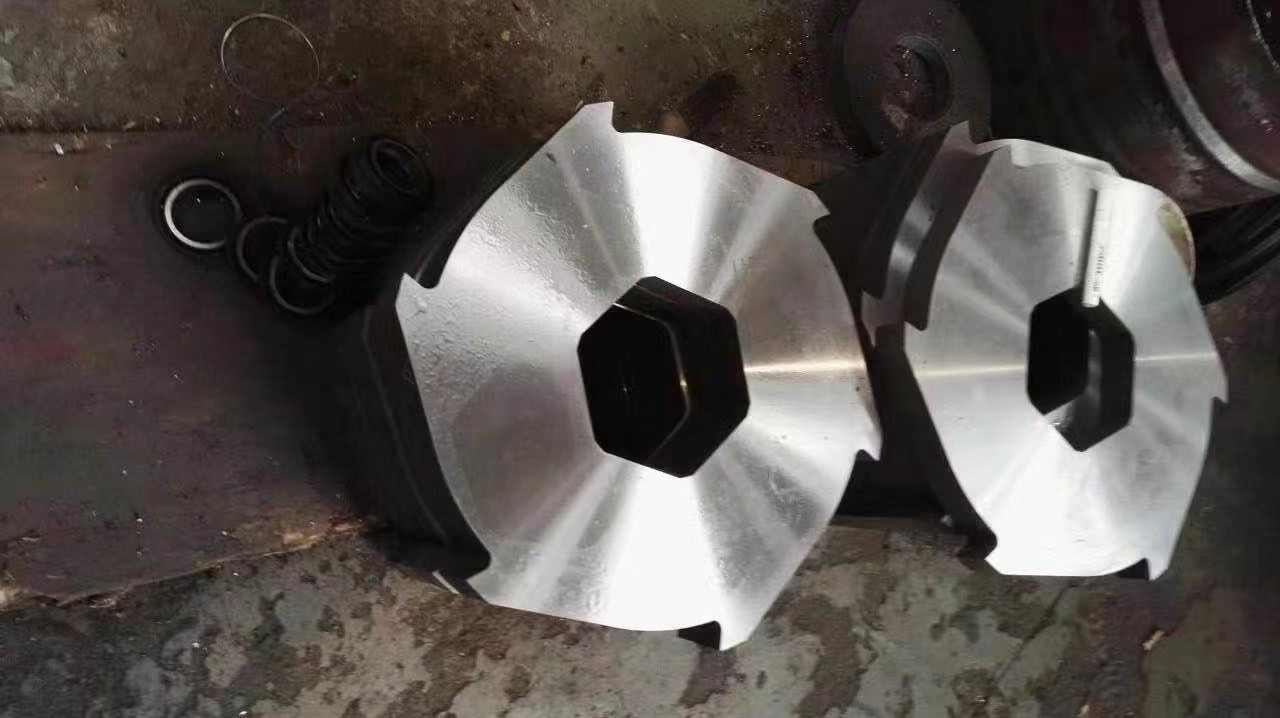
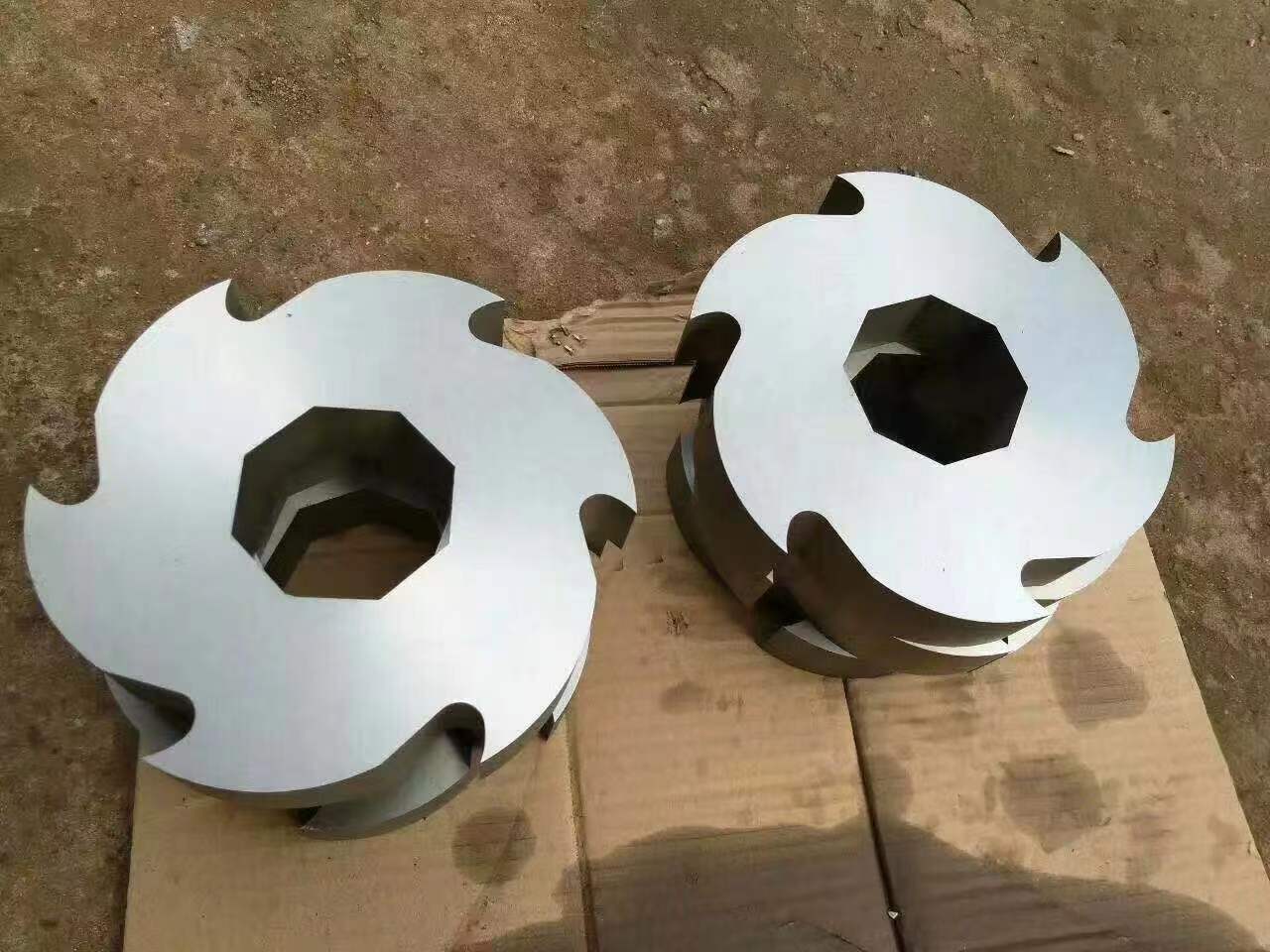
How It Works: Two independent shafts spin in opposite directions at 5.5–10 rpm (slow speed, high force). Claw-shaped blades arrange in a spiral to form a cutting chamber. They grab waste to avoid slipping or jamming, cutting large, irregular waste into uniform small pieces.
-
Key Design Features:
-
Claw Options: 2-claw, 3-claw, 6-claw, 8-claw, 12-claw. More claws = finer output (2–3 claws for coarse cutting; 8–12 claws for fine cutting).
-
Thickness: 10mm, 20mm, 40mm, 50mm, 75mm. Thicker blades (≥40mm) resist impact better—good for hard materials like thick metal and hard plastic.
-
Easy-Change Modular Design: Blades have three parts: body, claw cutter, and auxiliary blade. Replace worn parts by loosening/tightening bolts—cuts downtime by 60% vs. traditional blades.
-
Force Transmission: Main shaft is splined or hexagonal. Blade hole fits the shaft perfectly, so force spreads evenly—no cracking or bending.
-
Precision Gap Control: Blades ground to a tolerance of ±0.01mm. This ensures the perfect gap between rotating blades, reducing energy use and keeping output size consistent.
Applicable Waste Types & Blade Matching
-
Soft Materials (PE/PP film, rubber): Use single-shaft or twin-shaft blades. Single-shaft: small/standard size, D2 or 9CrSi. Twin-shaft: 2–3 claws, 9CrSi.
-
Rough Materials (filled plastic, wood): Single-shaft: large size, D2. Twin-shaft: 4–6 claws, Cr12MoV or SKD-11.
-
Hard Materials (metal scrap, tires): Use twin-shaft blades. Material: DC53, SKD-11, or Cr12MoV. Thick blades (≥40mm) with easy-change design.
-
Mixed/Impure Materials (municipal solid waste, construction waste): Use twin-shaft blades. 6–12 claws, high manganese steel or H13. Match with variable frequency drive for energy savings.
-
Special Materials (whole tires, e-waste): Custom twin-shaft blades. Reinforced DC53 or SKD-11, custom claw design, thick blades (≥50mm).
Daily Maintenance & Usage Tips
-
Regular Sharpening: High-quality blades like SKD-11/DC53 can be sharpened 4 times. Each blade has 4 usable edges (rotatable) to restore sharpness.
-
Adjust Gaps: Check and adjust gaps between blades and between blades and liners regularly. Too much gap reduces efficiency and output consistency—use precise measurement to keep the perfect gap.
-
Safety Checks: Tighten blade bolts before and after use to prevent loosening. Check for chipping, cracking, or deformation; replace damaged blades immediately to avoid machine breakdown.
-
Clean & Protect: Regularly clean waste residue from blades to prevent wear. Don’t let blades spin at high speed when idle; this extends their life.
Customization & Procurement Guide
Customization Information
When ordering custom blades, provide the following details. This ensures the blades fit perfectly.
Blade Selection Rules
-
Match material to waste hardness: Hard waste → Cr12MoV/SKD-11; soft waste → 9CrSi; high-impact waste → high manganese steel/H13.
-
Large-scale, high-impact projects: Choose twin-shaft blades. Small/medium projects with one waste type: Choose single-shaft blades.
-
Frequent maintenance: Choose easy-change modular blades to cut downtime.
At Alas Machinery, we use metallurgy expertise and precision manufacturing to make custom single-shaft and twin-shaft shredder blades. Our blades are tough, durable, and stable—perfect for all industrial recycling scenarios. We help you get maximum efficiency and value from your operation.
Single shaft shredder blades
40x40 shredder blades
D2 shredder blades