Rebar Cutting Blade Selection & Application Guide
We share down-to-earth tips for picking rebar cutting blades. You can get clear guidance on material pick, machine fitting, rebar adaptation and production process. With this guide, you can choose suitable blades, prolong service life, keep steady cutting quality and meet daily speed and efficiency demands on site.
How Blade Material Affects Actual Cutting Performance
Construction and metal processing work now pursue faster progress and fewer idle stops. Rebar cutting blades are no longer simple wearing parts, but precise functional cutting components.
Current industry criteria set higher standards for cutting accuracy and blade durability. Blades only treated with surface hardening tend to chip easily and trigger sudden machine halt, failing to deliver flat cut rebar ends.
Blades made by Alas Machinery strike a good balance between cost and cutting stability. All items conform to prevailing industrial norms, well suited for high speed and high precision rebar cutting jobs.
Premium Steel Grade & Vacuum Hardening Process
Cutting high strength rebar such as ASTM A615 Grade 60 and Grade 75 brings strong instant impact force. We adopt reliable H13 and D2 tool steel for blade making. D2 steel boasts solid hardness and wear resistance, fit for regular round steel cutting work.
Full vacuum heat treatment serves as core working procedure to secure reliable overall blade performance.
H13 and SKD-61 Difference
The two materials share identical properties but follow different production standards.
H13 under AISI standard contains more vanadium, offering better wear resistance and impact toughness.
SKD-61 following JIS standard has richer molybdenum content, standing firm under high temperature working conditions.
Our finished blades adopt optimized material formula to balance toughness and anti-wear ability.
Strong Impact Resistance
Overall blade hardness stays steadily between HRC 58 and HRC 62, matching premium tool steel quality level. Even when cutting multiple steel bars at one time, evenly distributed hardness effectively prevents blade breakage, fixing common cracking issues when processing high strength rebar.
Reliable Heat Resistance
Blades stay sharp even during continuous fast cutting that generates heavy heat. Vacuum heat treatment removes oxidation, surface decarburization and internal air impurities inside steel. H13 steel keeps hardness above 45 HRC at 600℃, maintaining stable performance during long time heavy duty work.
Precision Machining: Four-Sided Usable Cutting Design
Cutting accuracy matters greatly for heavy shear work, especially for flat rebar ends required in mechanical connection work. Our blades come with two practical structural strengths.
Four-Sided Reusable Structure
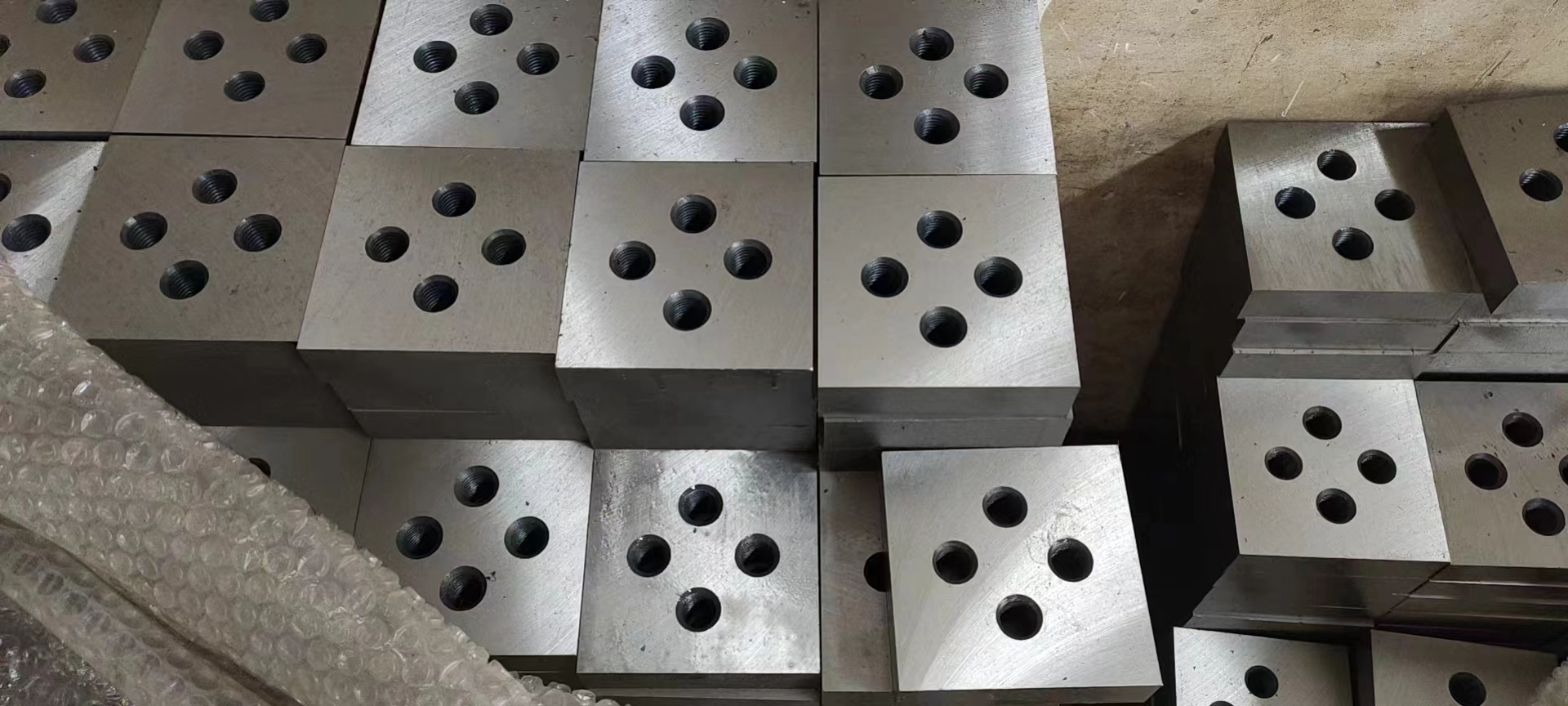
Four edges are all finely ground for use. This design extends blade service life four times over, cuts spare stock cost and fits large scale bulk cutting tasks.
Ultra Smooth Surface Flatness
Blades fit tightly into blade seats and reduce vibration wear on cutting heads. All products comply with JGJ107-2016 mechanical connection rules, delivering flat and neat cut surfaces without bending, distortion or irregular end shapes.
H13 vs Cr12MoV vs 9CrSi
Blade durability and shock resistance depend on raw steel grade and heat treatment method. Three practical alloy steel types are applied to fit various working scenarios.
H13 Hot Work Die Steel
Also known as AISI H13 and JIS SKD61, it is the top pick for heavy duty continuous high speed cutting lines. Ordinary steel turns soft easily under high heat created by fast cutting. H13 retains hardness above 45 HRC at 600℃ with excellent heat resistance and shock bearing capacity. It absorbs strong impact from thick high strength ribbed rebar, avoiding breakage and edge peeling effectively.
Cr12MoV Cold Work Die Steel
Corresponding to JIS SKD11, this high carbon high chromium alloy features outstanding abrasion resistance. Professional vacuum heat treatment forms sturdy internal structure. It is a cost saving option for daily steel bar cutting, lasting two to three times longer than common alloy blades.
9CrSi Alloy Tool Steel
Economical and steady basic industrial steel material. It is easy to process and gains even hardness after treatment, ideal for small and medium construction sites cutting low strength round steel and thin wire mesh.
Practical Blade Material Selection Tips
Raw steel directly decides blade hardness, toughness and usable time. Choose H13, D2 or high nickel blades based on actual cutting materials, rebar strength and working demands.
H13 (SKD-61)
Widely accepted high performance blade material. It resists wear, shock and heat fatigue well, keeping intact shape and sharp edges under long heavy cutting load. It works perfectly for Grade 60, Grade 75 high strength rebar and hard cold rolled steel bars. Blades processed with vacuum heat treatment last forty percent longer than regular products.
High Nickel Alloy Material
Perfect choice for rusty waste rebar mixed with sand and dirt. Fine anti-corrosion and anti-wear performance extends blade service life under harsh working surroundings.
Machine Matching & Custom Size Service
Matching blades with proper equipment directly influences cutting precision, machine lifespan and operation safety. We customize blades according to clients’ actual machine models.
Two Common Blade Shapes
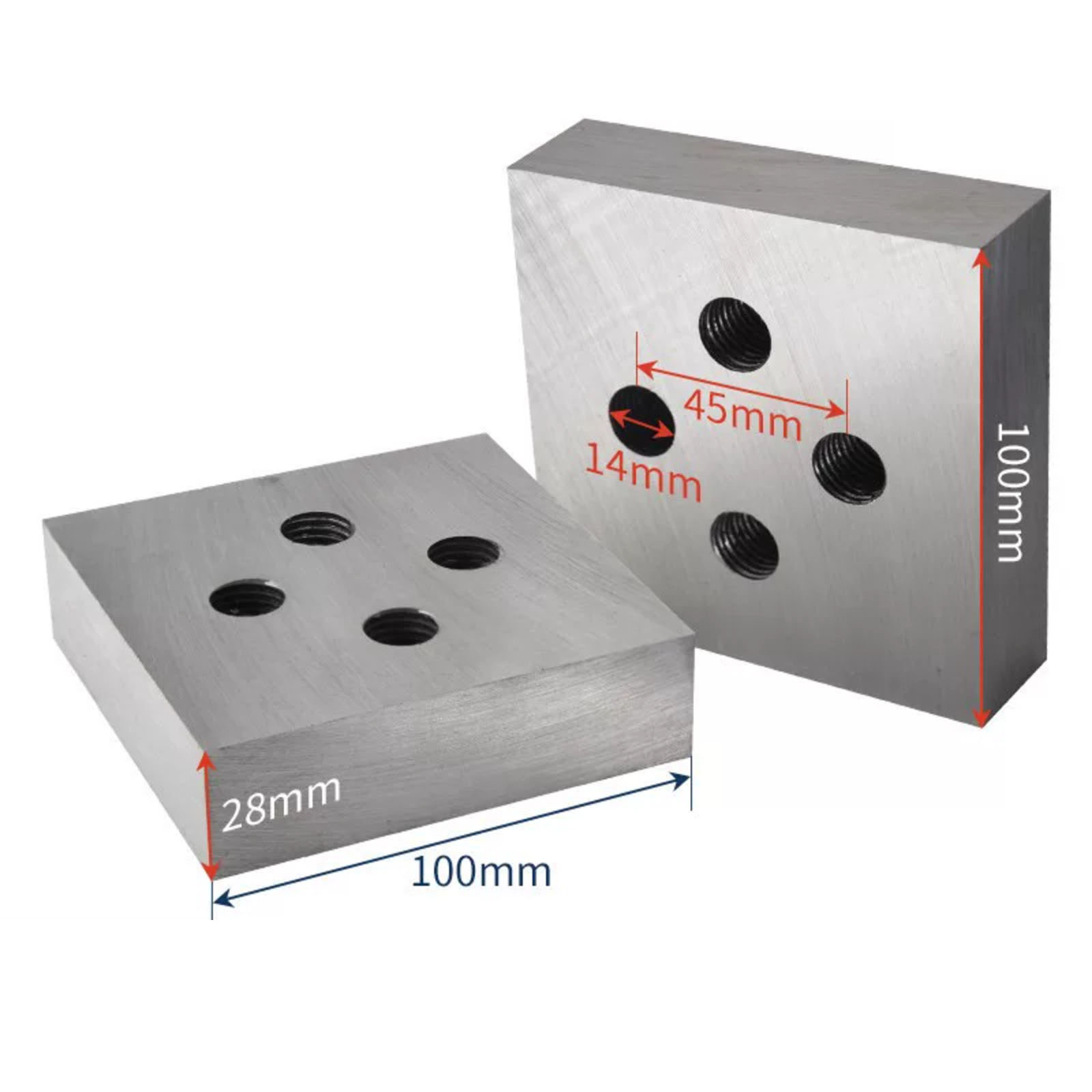
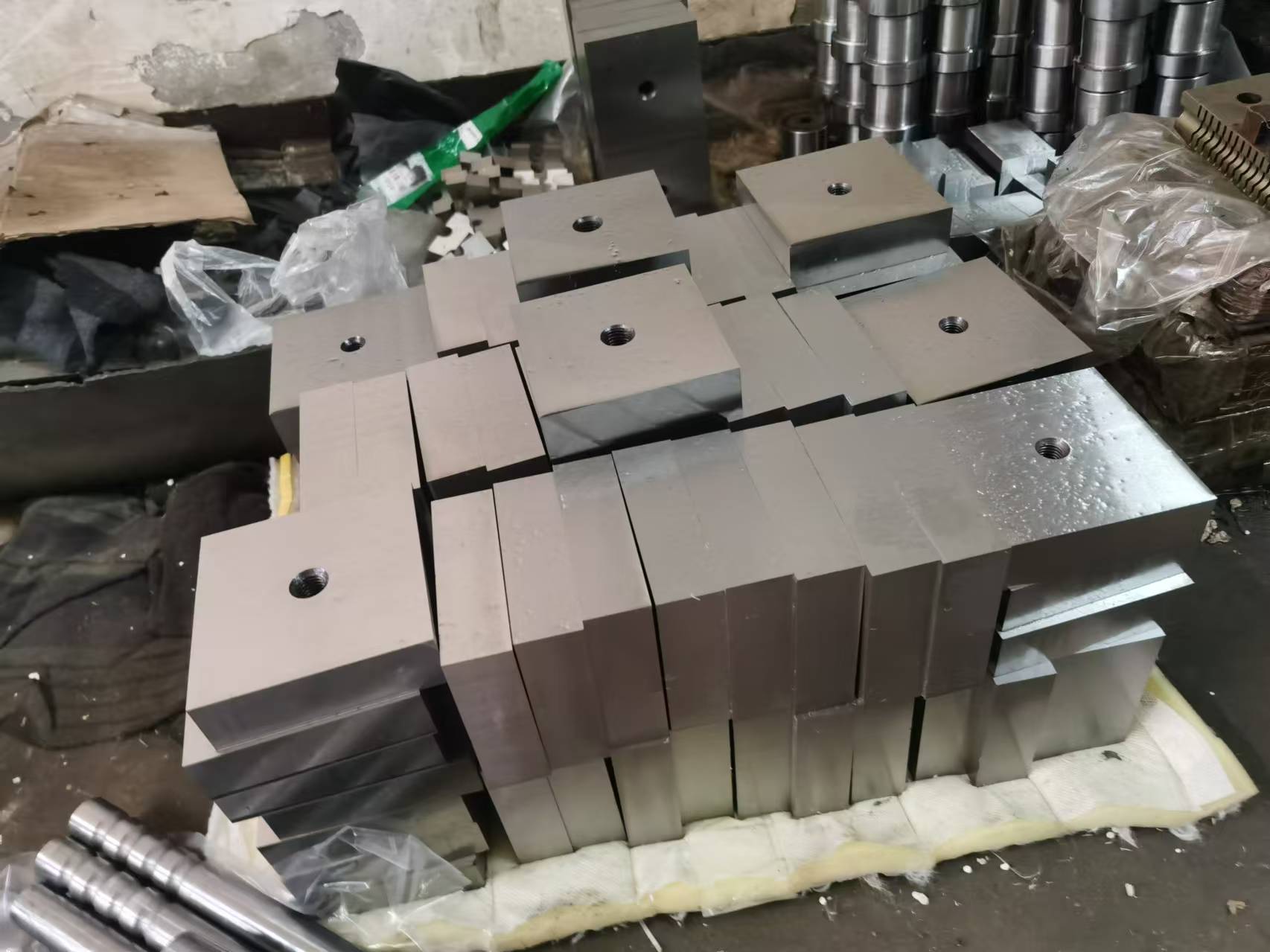
Square blade: Four usable cutting edges, can be rotated to extend usage time. Suitable for mass production and high speed cutting lines.
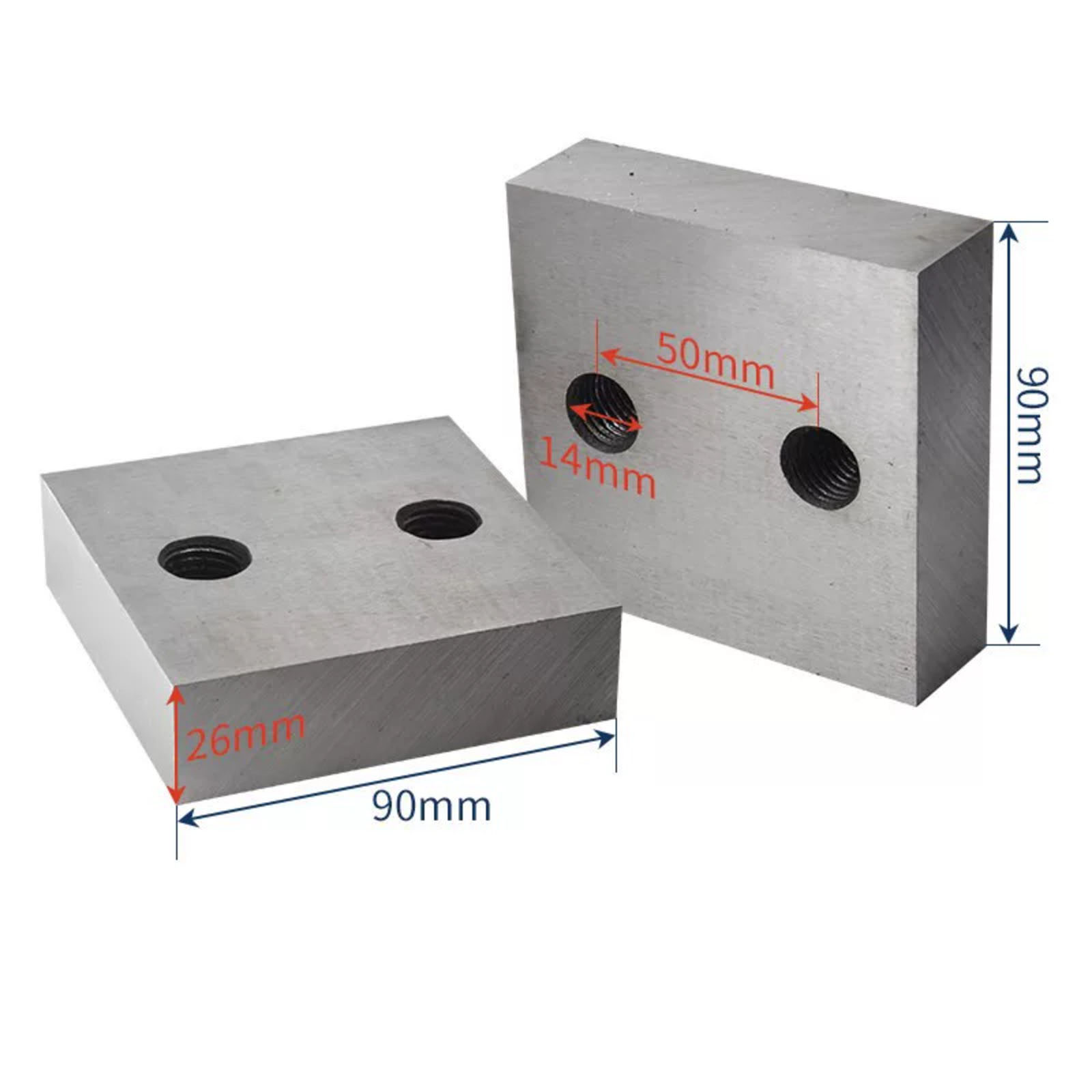
Rectangular blade: Single or double cutting edge layout, made for small tonnage machines below GQ40 model, matching low frequency cutting work on small construction sites.
Size Matching Standard
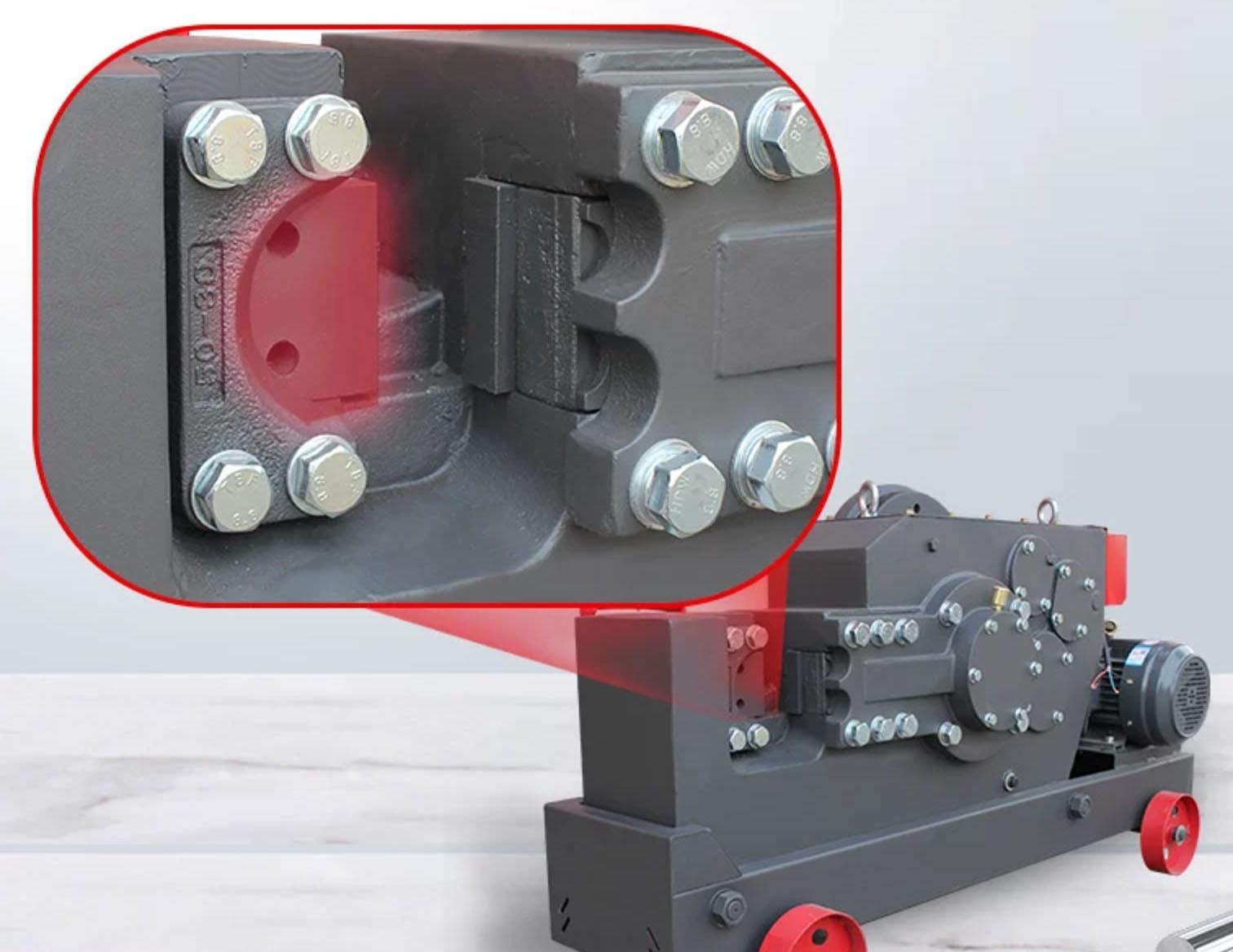
Machines of GQ40, GQ50, GQ60 specifications have fixed requirements on blade thickness, length, width and bolt hole spacing. Our blades fit mainstream equipment including Topmac series. Install blades strictly following machine manuals to avoid safety risks and flawed cutting results.
Blade Choice Based on Different Rebar Types
Steel bars carry different physical features. Select matched blades according to material types and construction purposes.
Common round steel: Low hardness and cutting resistance. D2 blades help control cost for projects without mechanical connection needs.
High strength ribbed rebar: Hard texture and wear prone surface ribs. H13 blades reduce edge damage, support continuous cutting and meet high precision working standards.
Rusty waste rebar: Mixed with dirt and impurities. High nickel alloy blades maintain stable durability in tough conditions.
Standard Production Craft
Blades finished with full fine grinding and vacuum heat treatment show superior overall performance.
Even internal hardness eliminates leftover stress, preventing partial fragility and permanent deformation.
Accurate grinding keeps sharp edges and smooth surfaces, lowering cutting resistance and raising working efficiency.
Lower damage rate cuts edge chipping and dulling frequency, reducing losses caused by unexpected machine shutdown.
Custom Tailored Blade Solutions
As professional blade manufacturer, Alas Machinery provides personalized products to meet diverse market demands.
We adjust hardening depth and material toughness to solve blade breakage issues when cutting high strength rebar.
Non-standard blades can be produced strictly following client drawings, dimensions and performance requirements.
Products fit all mainstream cutting machine brands and models.
Strict raw material check and hardness test guarantee stable qualified quality.
Factory Direct Supply for Global Market
Ready fitted high performance spare blades require no extra maintenance. Our blades serve forty percent longer than ordinary versions, helping projects stay on schedule and control budget.
Stable global delivery, reliable after-sale support and technical assistance help clients gain competitive advantages in the industry.