Rebar Cutting Blade: Material Selection, Matching, Process & Troubleshooting
Rebar Cutting Blade Material Selection
The blade material directly determines its hardness, toughness, and service life. Choose the material according to your cutting needs, and the following three are the most commonly used materials in the market, each with unique chemical compositions and performance characteristics.
H13 Material (Premium Grade)
Chemical Composition (Typical)
C: 0.32-0.45%, Si: 0.80-1.20%, Mn: 0.20-0.50%, Cr: 4.75-5.50%, Mo: 1.10-1.75%, V: 0.80-1.20%, P≤0.030%, S≤0.030%.
Performance Characteristics
As the current mainstream high-quality blade material on the market, H13 has an excellent balance of hardness and toughness, with extremely high wear resistance and outstanding resistance to thermal cycling. It undergoes vacuum quenching during processing, which enhances its toughness to absorb impact without cracking. Even during long-term, high-intensity continuous cutting, it is not prone to deformation or chipping. It is the top pick for international trade because it doesn’t need to be replaced as often, which cuts down a lot on transportation costs and customs duties compared to other materials.
Suitable Scenarios
Ideal for large-scale processing of high-strength rebar, high-speed cutting, high-tensile steel, and high-strength ribbed rebar (its excellent wear resistance and toughness can effectively reduce the risk of chipping, adapting to high-strength continuous cutting).
Cr12MoV Material (SKD-11)
Chemical Composition (Typical)
C: 1.45-1.70%, Si: ≤0.40%, Mn: ≤0.40%, Cr: 11.00-12.50%, Mo: 0.40-0.60%, V: 0.15-0.30%, P≤0.030%, S≤0.030%.
Performance Characteristics
It is a high-hardness, high-wear-resistance tool steel. Its hardness far exceeds that of ordinary alloy blades, providing strong wear resistance for long-term use. However, its toughness is relatively weaker, so it is not suitable for high-impact or large-gap cutting conditions, as it may be prone to chipping under such circumstances.
Suitable Scenarios
Suitable for handling the cutting needs of high-hardness cold-rolled rebar and ordinary round steel (low hardness and low cutting resistance), meeting basic cutting needs while maintaining a reasonable cost.
9CrSi Material
Chemical Composition (Typical)
C: 0.85-0.95%, Si: 1.20-1.60%, Mn: 0.30-0.60%, Cr: 0.90-1.20%, P≤0.030%, S≤0.030%.
Performance Characteristics
An economical and practical choice with good hardenability and machinability. Its hardness and wear resistance are lower than H13 and Cr12MoV, but it has moderate toughness and is easy to process and maintain, making it a cost-effective option for small and medium-sized projects.
Suitable Scenarios
Widely used in small and medium-sized projects, suitable for cutting ordinary medium- and low-strength rebar and ordinary round steel (low hardness and low cutting resistance), effectively controlling costs while meeting basic cutting requirements.
Matching Mechanical Specifications (Customized by Size)
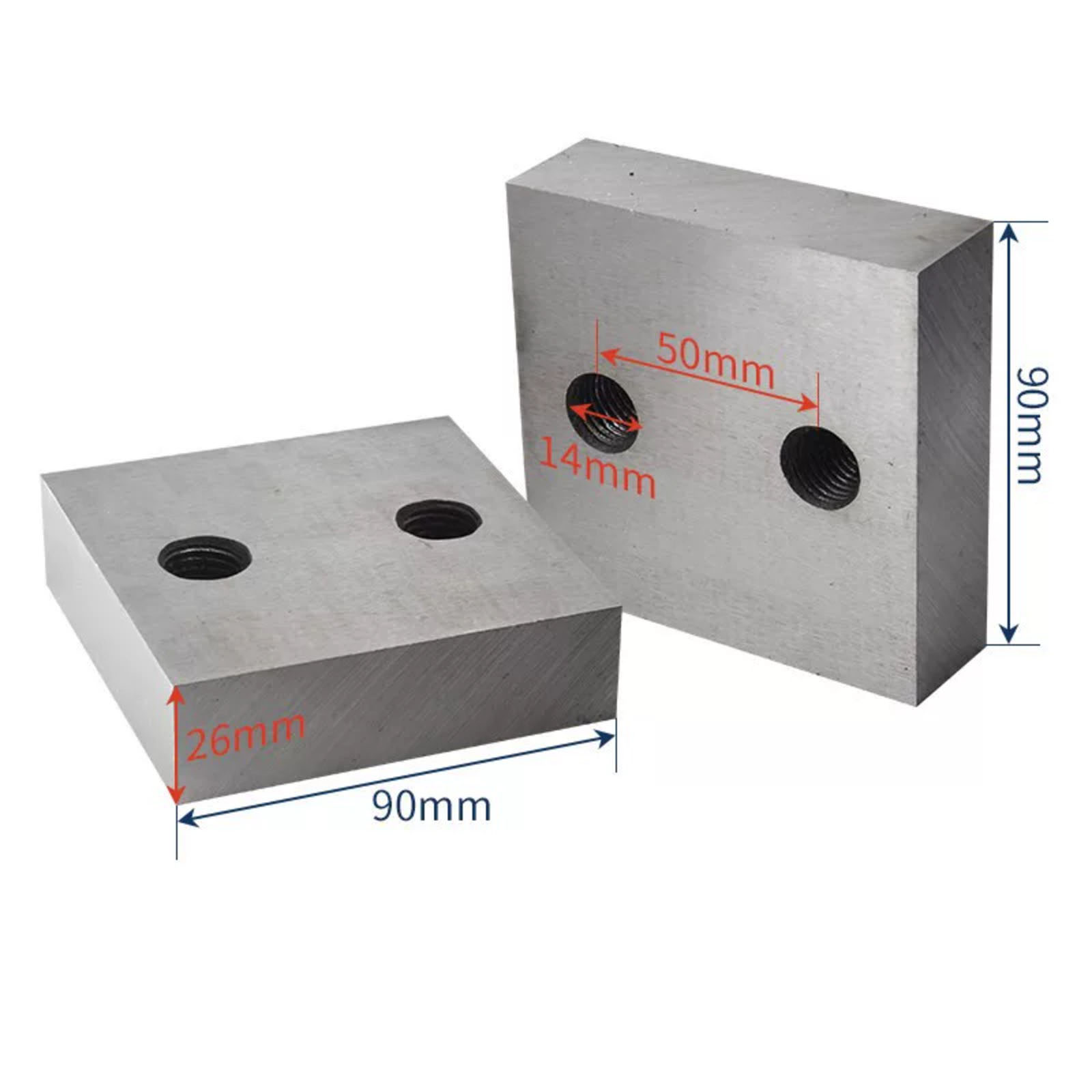
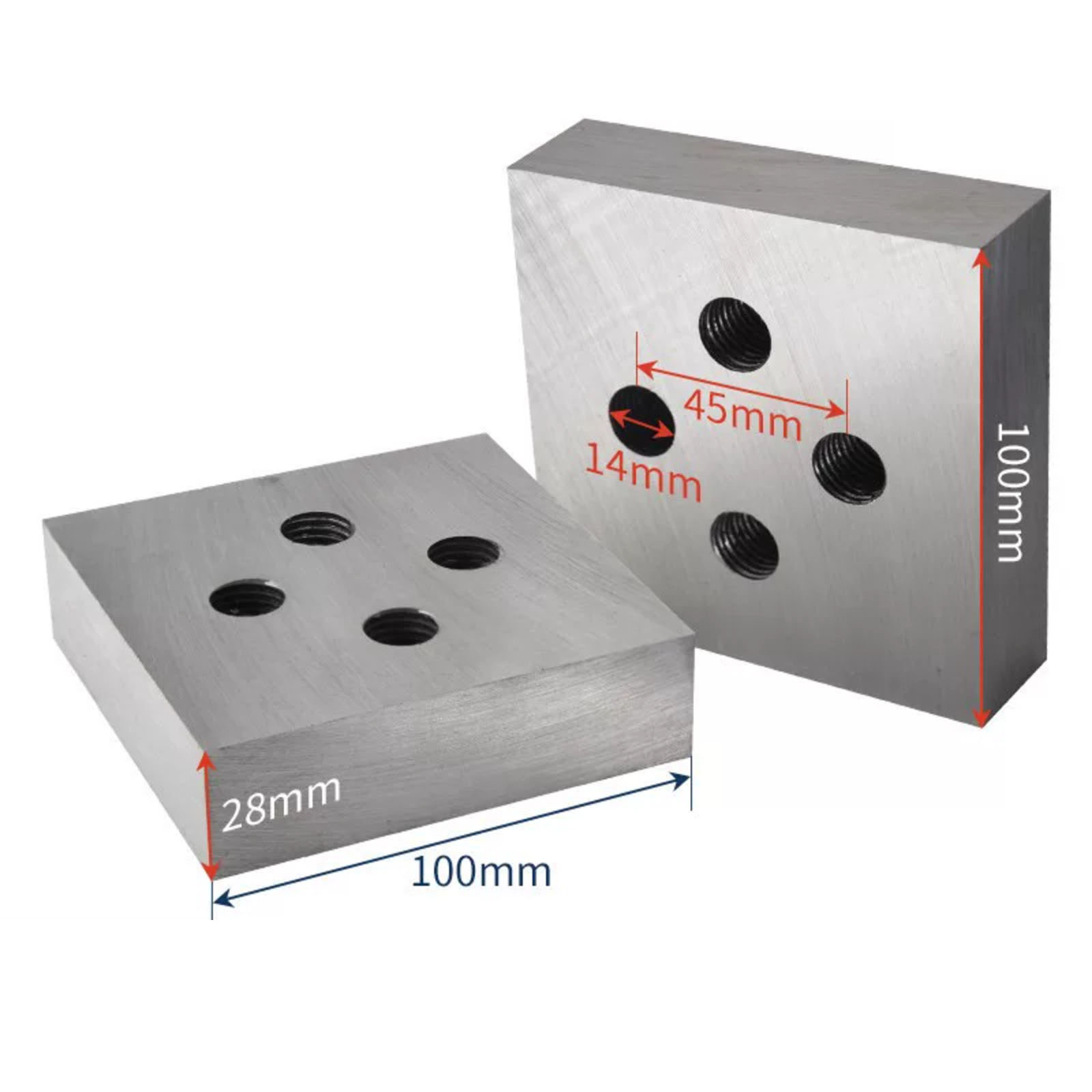
The matching degree between the blade and the cutting machine directly affects the cutting effect, blade service life, and machine stability. It needs to be customized according to the shape and size of the equipment.
Shape Matching
Common blade shapes are square (four sides usable) and rectangular, each suitable for different processing scenarios:
Square Blades: Allow for the rotation of four cutting edges, significantly extending their service life, suitable for large-scale processing scenarios with high cutting frequency.
Rectangular Blades: Mostly single-sided or double-sided, with a simpler structure, suitable for small-tonnage cutting machines and small-scale processing scenarios.
Size Matching
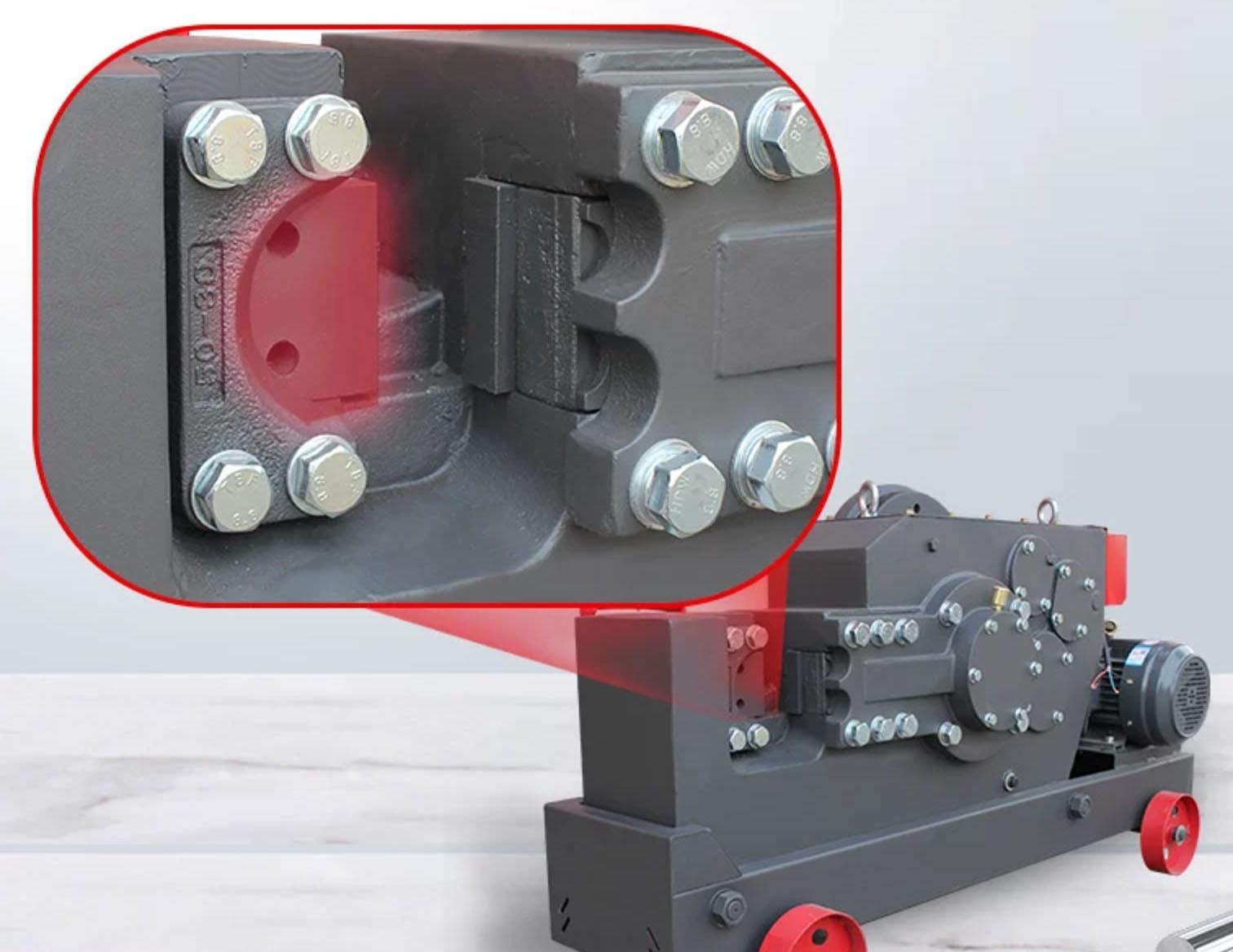
Different tonnage cutting machines (such as GQ40, GQ50, GQ60) have specific standards for blade thickness, length, width, and bolt hole spacing. Selection must strictly follow the equipment's instruction manual to ensure a perfect fit with the blade seat, reduce vibration during cutting, and extend the life of the machine's motor.
Blade Selection Based on Rebar Types
Different types of rebar have significantly different physical properties, so blade selection needs to be targeted based on the material characteristics of the rebar to avoid premature blade damage and improve cutting efficiency.
Ordinary Round Steel
Low hardness and low cutting resistance. 9CrSi or Cr12MoV materials are sufficient, which can meet basic cutting needs while effectively controlling costs.
High-Strength Ribbed Rebar
High hardness, and the ribbed surface structure easily wears down the blade. It is recommended to use H13 material. Its excellent wear resistance and toughness can effectively reduce the risk of chipping, making it suitable for high-strength continuous cutting.
Scrap Rebar
Severely corroded surface, containing sand and dirt, which causes significant wear on the blades. High-nickel materials are preferred to enhance wear resistance and corrosion resistance, extending the blade service life.
Manufacturing Process
The manufacturing process directly affects the performance and service life of the blade. Blades processed through full grinding and vacuum heat treatment are preferred for the following advantages:
Uniform hardness distribution: Ensures consistent performance of the entire blade, avoiding local wear or chipping caused by uneven hardness.
Good edge retention: The blade edge is sharp and stable, not prone to dulling during long-term cutting, reducing the frequency of blade replacement.
Strong toughness: Effectively improves the blade's impact resistance, reducing the risk of brittle fracture when cutting high-strength rebar.
Custom Rebar Cutting Blades
Our blades, through optimized hardening depth and toughness, address the common industry problem of brittle fracture when cutting high-strength rebar, providing customized solutions for different project needs.
Why Your Rebar Cutting Blades Chip and How to Choose the Right Material?
In high-intensity construction projects, rebar cutting blades are the most frequently replaced parts. A common frustration for site managers is "blade chipping" or "premature dulling," which halts production and increases costs. The root cause of these problems is mostly the mismatch between blade material, rebar type, and working conditions.
Understanding the Material Science
The performance of a steel bar cutter blade depends on the balance between hardness and toughness: too high hardness leads to poor toughness and easy chipping; too high toughness leads to insufficient wear resistance and premature dulling. At ALAS Machinery, we utilize three primary materials (H13, Cr12MoV, 9CrSi) to meet different project needs, achieving the optimal balance between hardness and toughness.
Compatibility with Global Machines
Whether you are using a GQ40, GQ50, or GQ60 manual cutter, or an automated CNC rebar processing line, the dimensions of the blade must be precise. We provide CNC-ground blades that ensure a perfect fit with the blade seat, reducing vibration and extending the life of your machine's motor.
Maintenance for Longevity
To double the life of your rebar shear blades, follow these maintenance tips:
Adjust the clearance between the upper and lower blades correctly according to the bar diameter to avoid excessive friction or impact.
Keep the blade sharp and well-aligned, which not only saves electricity but also ensures a clean, vertical cut for better welding and threading later on.
Avoid using blades in inappropriate working conditions (e.g., using Cr12MoV blades for high-impact cutting) to prevent chipping.
Conclusion
Don't let low-quality blades slow down your project. By choosing the right blade material (H13 for high-strength scenarios, Cr12MoV for high-hardness rebar, 9CrSi for cost-effective needs), matching the correct mechanical specifications, and following proper maintenance methods, you can significantly extend the blade service life, reduce replacement costs, and ensure project progress. Contact ALAS today for customized rebar cutting solutions.