Press Brake Tooling: Complete Guide to Eliminating Bending Angle Error & Springback
1. Core Performance & Technical Features
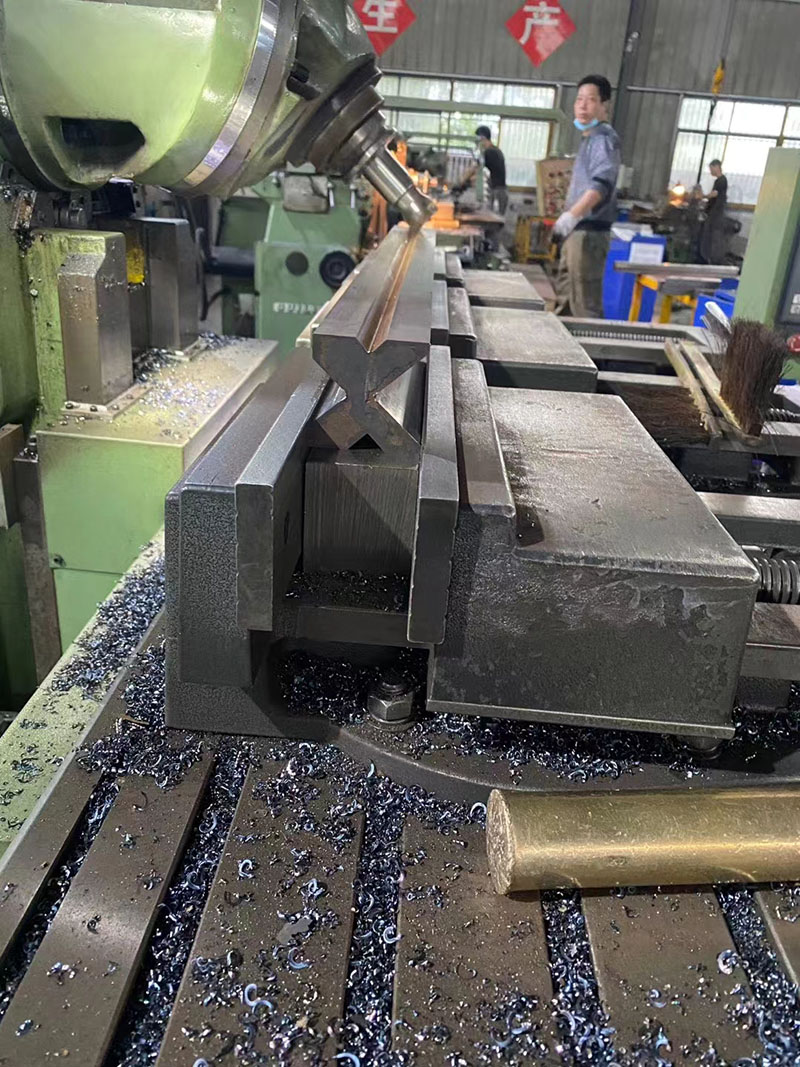
±0.01mm Precision CNC Grinding: Every working surface is fully CNC machined and ground to tight tolerances. This eliminates batch-to-batch dimensional differences and keeps bending angles consistent in high-volume production.
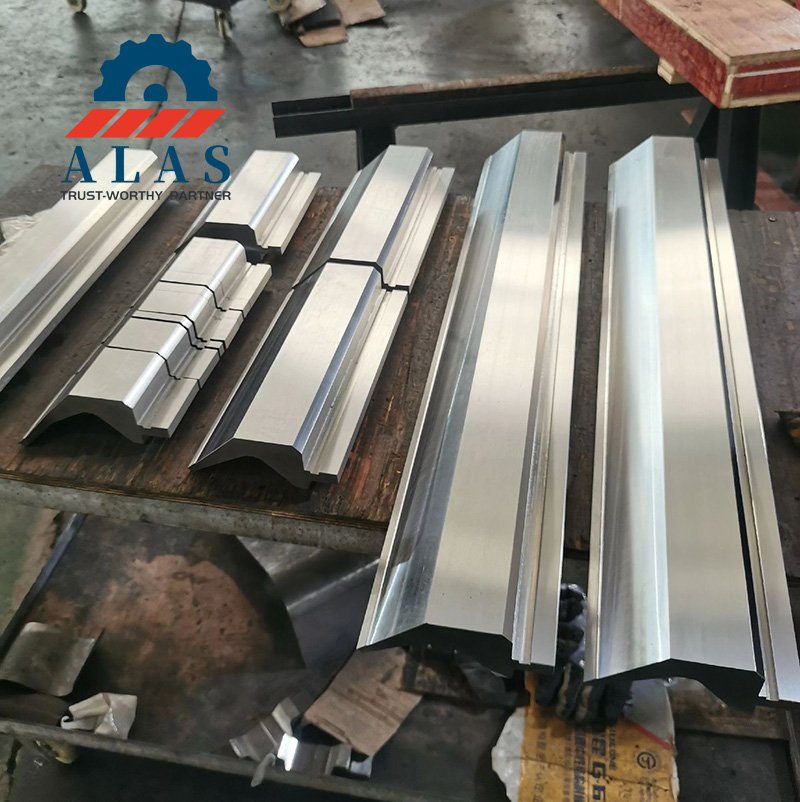
Modular Segmented Structure: Standard segment lengths cover 20mm, 40mm, 200mm, 500mm and 800mm. Segmented assembly fits any workpiece length, reduces overall tool weight, and allows fast replacement of worn individual segments instead of full die sets.
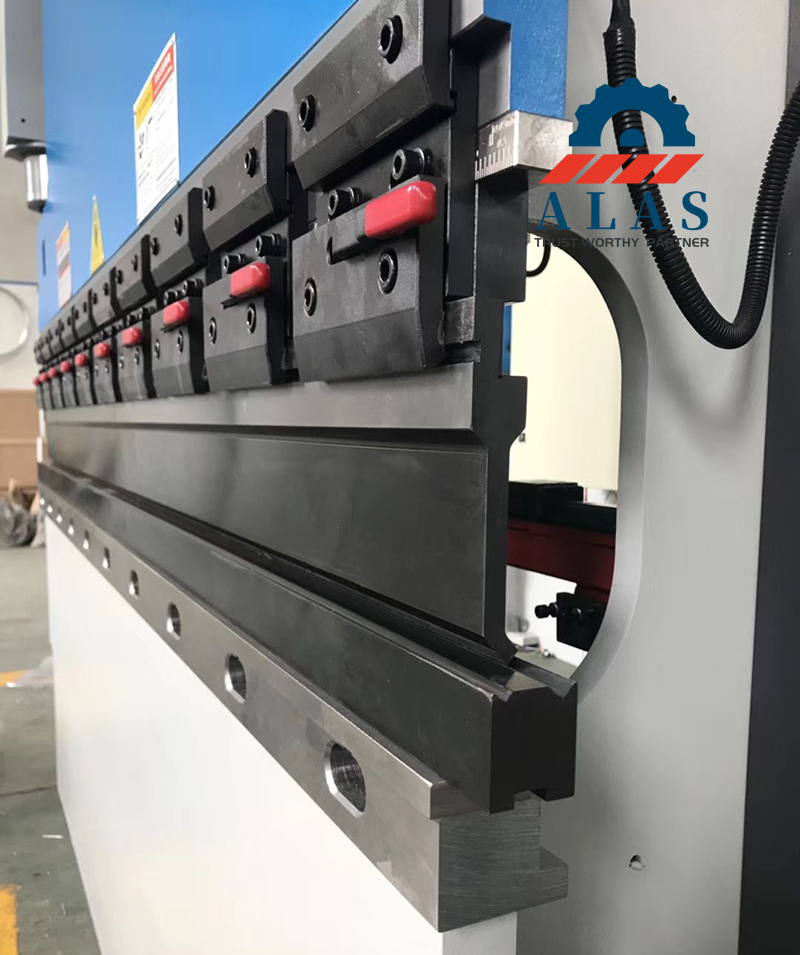
Global Quick-Clamp Compatibility: Built to European, American and Japanese industrial standards. Direct fit for Wila and Amada quick-clamp systems. A full tool change can be finished within 2 minutes to shorten machine downtime.
Heavy-Duty Heat-Treated Wear Resistance: Available in 42CrMo and 55SiCr alloy steel. Integrated heat treatment and plasma ion nitriding achieves surface hardness of HRC 52–56, boosting wear resistance by 60% compared to ordinary untreated carbon steel dies for long-term stable production.
Full Range Standard & Custom Punches: In-stock punch angles include 86°, 88°, 90° and 30° acute styles. Custom radius dies, flattening dies and special-shaped tooling are available per customer technical drawings.
Built-In Springback Compensation Design: Specially engineered 85° acute overbend geometry offsets the natural springback of stainless steel and high-strength steel, effectively solving the common problem of oversized opening angles after bending.
Anti-Twist Reinforced Structure: Optimized keyway and shoulder profiles resist tool twisting under offset and partial loads. This extends the service life of both the tooling and the press brake equipment.
2. Technical Parameter Comparison
| Parameter | European Standard Dies | American Standard Dies | Heavy-Duty Long-Life Dies |
| Upper Punch Style | Segmented 90°/88° sharp punch | One-piece 3/4” shank punch | Dual-V interchangeable punch |
| Lower V-opening (mm) | 6 / 8 / 12 / 16 / 20 / 25 / 32 / 40 | 0.472" ~ 2.0" (12~50mm) | 6~50mm with hardened wear inserts |
| Angle Tolerance | ±0.2° | ±0.3° | ±0.15° |
| Hardness (HRC) | 50–52, 0.2mm nitrided layer | 48–50 | 54–56 with ultra-precision surface treatment |
| Standard Length (mm) | 835 / 415 / segmented 835mm | Max custom length: 3050mm | Max modular assembly length: 4000mm |
| Applicable Sheet Thickness | 0.5–12mm (Rule: V ≈ 8× sheet thickness) | 0.8–16mm | 0.5–20mm (high-strength steel) |
On-Site Bending Formulas
3. Frequently Asked Questions
Q1: What press brake brands are ALAS dies compatible with?
A1: ALAS bending dies fit all mainstream press brake models, including Amada, Trumpf, Wila, Bystronic, LVD, Accurpress and Cincinnati. All tooling is manufactured to European precision standards, US industrial standards and the latest Wila clamping specifications for universal compatibility.
Q2: What materials and hardness levels are used for ALAS bending dies?
A2: Standard dies adopt high-quality 42CrMo alloy steel. Special alloy materials are available for high-wear and heavy-load working conditions. All tooling undergoes full-length induction quenching and tempering, reaching HRC 45–50 for stable precision and deformation resistance. Ion-nitrided dies reach HRC 52–56 for enhanced surface hardness and wear resistance.
Q3: Can European and American standard dies be interchanged directly?
A3: No direct interchange is possible. European dies feature a 42mm punch shank, while American dies use 1/2-inch or 3/4-inch keyway dimensions. Adapters or upgraded machine clamping units are required for cross-standard installation. Original matched clamping systems deliver the most accurate and stable bending results.
Q4: When should dies be reground or replaced?
A4: Die regrinding is required when workpieces show consistent burrs, bending angle error exceeds 0.5°, or visible indentations appear inside V-grooves. Full replacement is needed for severely chipped or permanently deformed tool edges to avoid defective batches.
Q5: Do you provide custom non-standard bending dies?
A5: Yes. We customize special tooling for complex bending requirements, including deep goose-neck punches, multi-V lower dies, offset bending tools and custom radius dies. Our engineering team provides 2D and 3D design files for customer confirmation before production. Simply submit your part drawings, sheet thickness and machine model to get a tailored solution.
Q6: Which is better for bending dies: 42CrMo or T8 steel?
A6: 42CrMo alloy steel offers superior toughness and fatigue resistance, making it ideal for heavy-tonnage and repeated bending operations. T8 steel achieves higher hardness but is brittle and prone to edge chipping under heavy loads. Ion-nitrided 42CrMo is the most reliable and cost-effective option for daily sheet metal bending production.
Q7: Why do stainless steel bends open wider than 90°? How to fix springback issues?
A7: Angle oversize is caused by material springback. Stainless steel and high-strength steel have much higher springback rates than mild carbon steel. For ordinary mild steel, 86° or 88° punches can produce accurate 90° bends. For stainless and high-tensile steel, 85° or 78° overbend punches effectively counteract springback. While CNC machines support stroke adjustment, precision-compensated tooling ensures more stable and consistent long-term bending accuracy.
Q8: How to choose the right V-opening width for different sheet thicknesses?
A8: The industry baseline is V-width = 8 × sheet thickness, suitable for 3–8mm sheets with balanced bending force and clean forming results.
Sheet thickness < 3mm: Use V = 6T to achieve smooth inner radii and prevent sheet deformation
Sheet thickness > 8mm: Use V = 10T~12T to reduce required bending tonnage and protect die edges
2mm thin sheet: V16 or V20 grooves are recommended to avoid cracking and angle inconsistency
Q9: How does ALAS maintain uniform bending accuracy across the full machine length?
A9: All critical working surfaces are ultra-fine polished. We apply strict tolerance control on die overall height and V-groove dimensions, ensuring consistent bending accuracy along the entire machine working length without segment deviation.
Q10: What is the production lead time for custom dies?
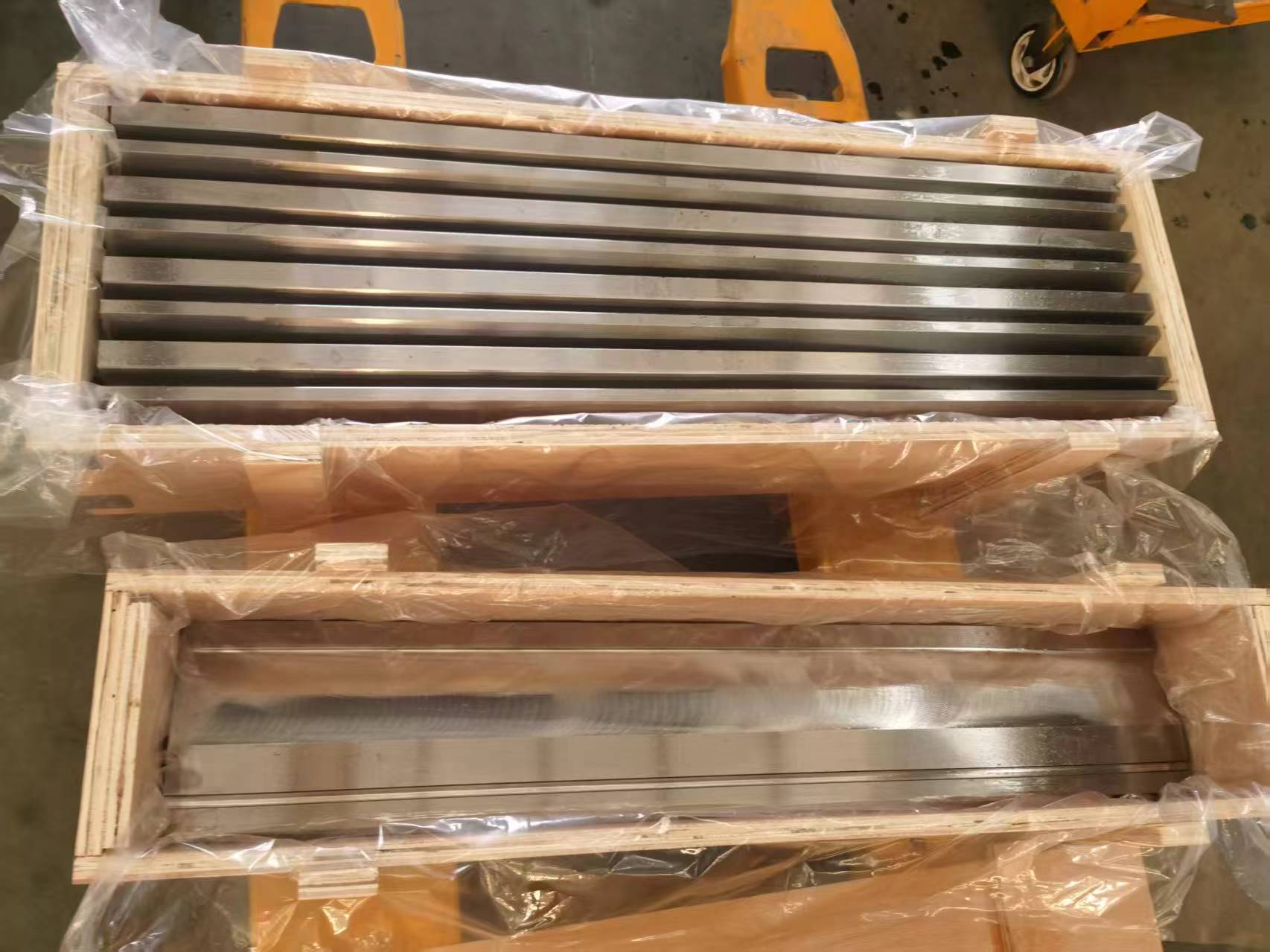
A10: Custom tooling production takes 15 to 25 days depending on structural complexity. Rush processing is available for sample orders. All finished dies are coated with anti-rust oil and packed in export-grade wooden cases for safe international transportation.
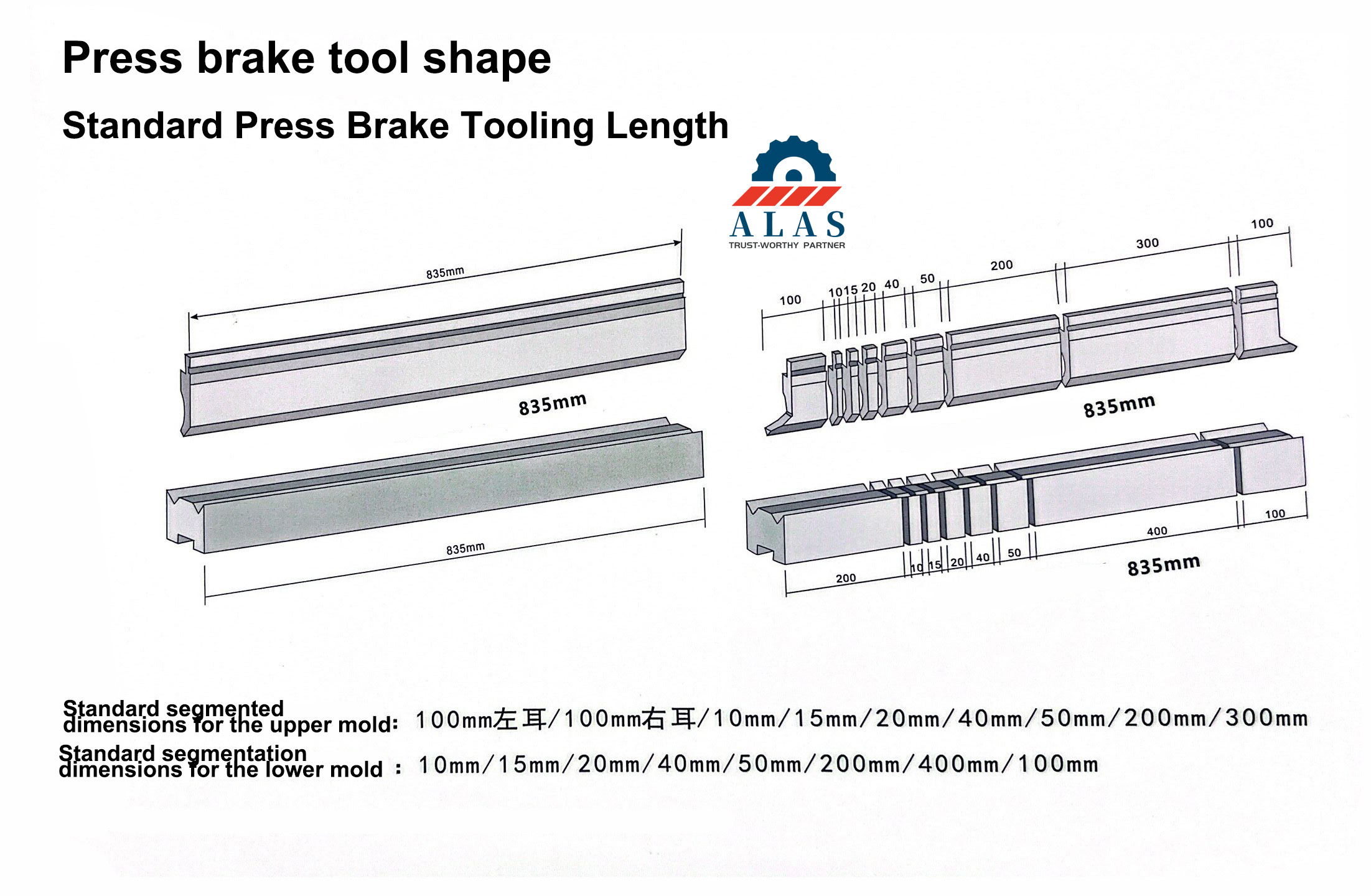
Q11: What are the standard segmented sizes for European dies?
A11:
835mm Set (10 pieces): 10mm, 15mm, 20mm, 40mm, 50mm, 100mm, 100mm (left offset), 100mm (right offset), 200mm, 300mm
415mm Set: 10mm, 15mm, 20mm, 40mm, 50mm, 100mm, 180mm
Q12: Will 42CrMo dies fit my existing clamping system?
A12: Fully compatible. ALAS 42CrMo dies comply with global installation standards, supporting Euro/Promecam, Wila/Trumpf and traditional US clamping systems. CNC-machined shanks and mounting surfaces ensure tight, stable and gap-free installation with no wobble during operation.
4. Die Installation & Calibration Step-by-Step Guide
Step 1: Power Off Equipment & Clean Mounting Surfaces
Turn off the hydraulic power unit and fully release internal system pressure. Remove all old tooling completely. Wipe clamping grooves and the machine worktable with lint-free cloths to clear metal chips, burrs and residual dirt that may cause uneven mounting.
Step 2: Install Segmented Upper Punches
Arrange segmented punches from the workpiece center outward to match the required bending length. Fully seat punch shanks into quick clamps and lock under standard 280bar hydraulic pressure. Ensure full-length punch straightness stays within 0.05mm per meter.
Step 3: Position and Align Lower Dies
Place lower dies firmly on the die seat, then align the die centerline with the pre-installed upper punches. Select the correct V-opening size according to the 8× sheet thickness rule, then tighten all locking bolts securely.
Step 4: Adjust Ram Stroke and Backgauge
Jog the machine slider downward slowly until the punch tip penetrates approximately 3mm into the lower V-groove. Adjust the bottom dead center to reserve sufficient springback compensation, then input angle correction parameters into the CNC control panel.
Step 5: Trial Bending and Fine Calibration
Perform trial bending using scrap material with the same grade and thickness as formal production parts. Measure the bending angle with a digital protractor. Fine-tune ram depth or add thin adjustment shims until the finished angle error falls within ±0.3°.
Step 6: Lubricate and Record Maintenance Data
Apply extreme-pressure industrial lubricant to die contact surfaces and machine guide rails. Record all setup parameters for future reference. Inspect die wear condition routinely after every 5,000 bending cycles.
5. Industry Standards, Lab Test Data & Production Case
Complied Industry Standards
ASTM E290-22: Standard Test Methods for Bending of Metallic Materials
DIN 55271: Sheet Metal Bending – Terminology and Bending Force Calculation Specifications
ISO 2768-mK: General Tolerances for Linear and Angular Dimensions
Field Application Case
A professional stainless steel cabinet manufacturer faced consistent 2°–3° bending angle oversize and high rework rates when using standard 90° punches for 304 stainless production. After switching to ALAS 85° springback-compensated nitrided punches and matched lower V-dies, the bending angle stabilized within ±0.2°. Product rework was nearly eliminated, and the tooling showed no obvious wear after 8 months of continuous high-volume production.
6. Summary
Precise Angle Control & Stable Springback Elimination: Pre-designed overbend geometry and matched V-opening sizes eliminate bending errors fundamentally, ensuring stable batch production quality.
Reduced Long-Term Production Costs: High-grade 42CrMo alloy and professional nitrided heat treatment extend tool service life, cutting machine downtime and repeated tool procurement expenses.
ALAS Machinery – Professional Press Brake Tool Manufacturer
We supply factory-direct CNC precision press brake tooling and custom special-shaped punches. All products are fully compatible with Amada, Trumpf, Wila and other mainstream global press brake brands.