


Phone:
86-15852949220


 |


Press brake punches and dies are special forming tools for bending machines. They are key parts for bending metal sheets, made up of two main components: upper die and lower die.
How they work: The bending machine’s slider and workbench move together, squeezing the metal sheet between the upper and lower dies.
Result: The sheet bends into the desired angle (90°, U-shape, V-shape, etc.) and size.
Uses: Widely used in mechanical manufacturing, sheet metal work, hardware production, and cabinet making.
Press brake punches and dies work with your machine’s hydraulic power.
Even top CNC press brakes can’t fix worn, soft, or poorly ground tools.
If bends are inconsistent or tools wear out fast, check the die’s material and manufacturing.
Deep Hardness (47–52 HRC): Tools keep their shape after thousands of uses, no "angle drift" in finished parts.
Exceptional Toughness: Stable structure handles high-pressure bending without cracking, even for gooseneck or thin-tip punches.
Uniform Radius: Consistent bends across the entire machine (up to 6 meters).
Modular Compatibility: Tools are ground to exact heights, so you can mix them for complex bending tasks.
Alas Machinery is a dedicated manufacturing facility.
We make high-performance, low-maintenance spares that are ready to install.
Our tools fit perfectly and last longer than standard ones, reducing the need for frequent adjustments.
Installed on the bending machine’s movable slider (applies pressure).
Shapes (straight, sharp, gooseneck, arc) determine the bent part’s outer look.
Fixed on the machine’s workbench (supports the sheet).
Has a V-groove; its width affects bending force, fillet size, and forming quality.
Place the metal sheet on the lower die.
The slider moves the upper die down to squeeze the sheet.
The sheet bends to match the dies’ shape (permanent deformation).
Once the preset stroke and pressure are met, the upper die moves back, and you can take the workpiece.
High Rigidity and Wear Resistance: Made of alloy steel (e.g., 42CrMo), heat-treated (tempered, quenched). Hardness: HRC45–HRC50. Handles high pressure and friction.
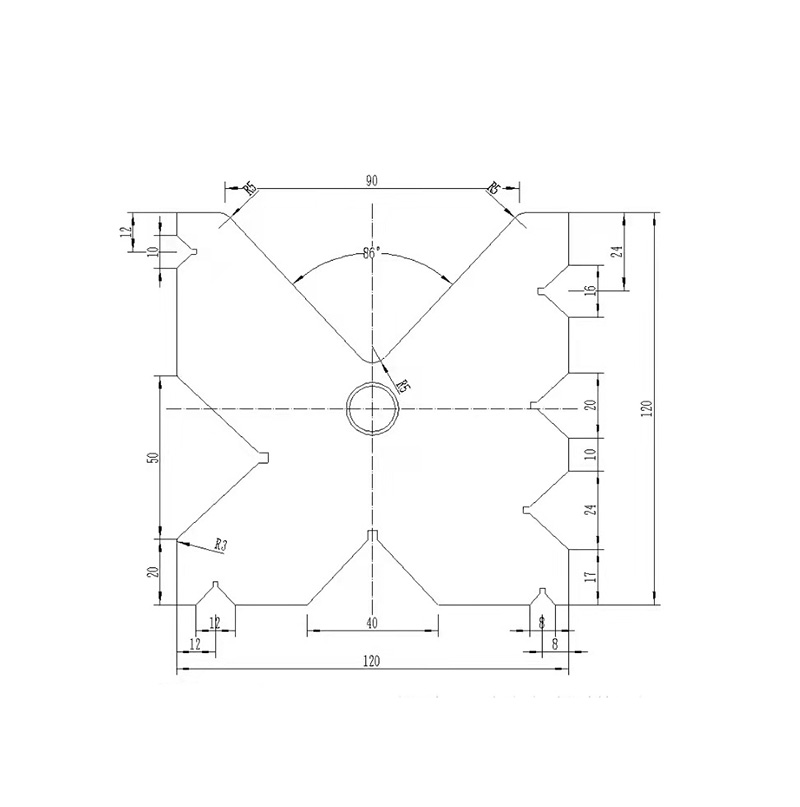
Mold Customization: Customize punches (arc, gooseneck, irregular) and dies (V-grooves of 8mm, 16mm, 24mm, etc.) based on workpiece needs.
Good Compatibility: Mold size (height, shank, installation) must match the bending machine. Forming size must match workpiece drawings.
Standardized: Conventional molds fit common machines (Amada, Trumpf, Wille) and are ready to use. Special molds can be customized.
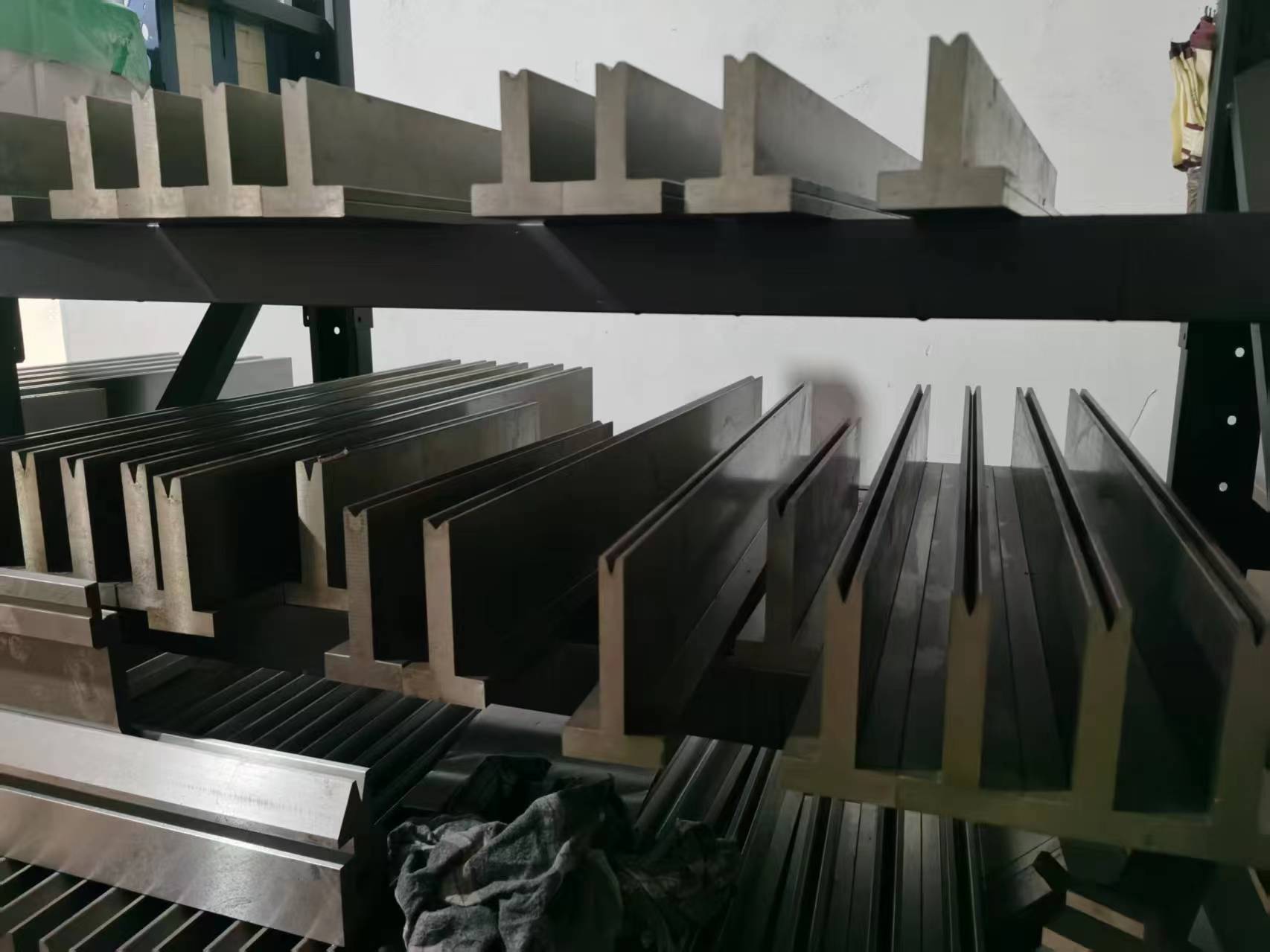
Standard Straight Edge Die: For regular straight bends (most common).
Sharp Angle Die: For small angles or springback correction (high precision).
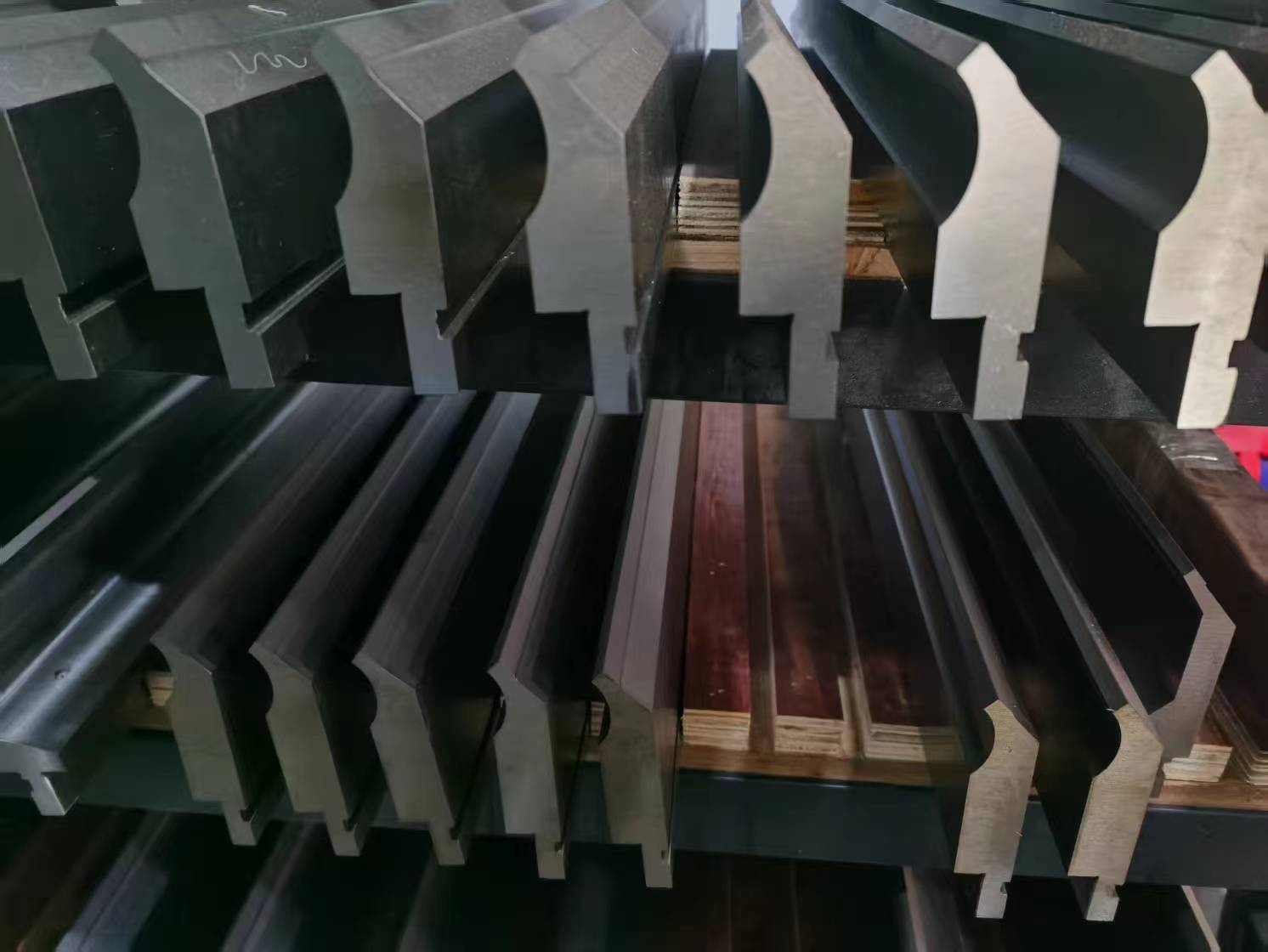
Gooseneck Die: For U-shaped and deep-channel parts (avoids bending interference).
Arc Die: For curved and rounded bends (e.g., curved workpieces).
Irregular Shaped Die: Custom-made for special workpieces (non-standard bends).
Standard Sheet Metal Bending Dies: For mild steel, galvanized steel (cost-effective).
High-Strength Steel Bending Dies: Thickened, high-hardness (for stainless steel, high-strength alloy plates).
Thin Material Specific Dies: Precision-made to prevent warping, deformation, or scratching of thin sheets.
Amada / Promecam Type: Fits Amada bending machines.
Trumpf / Wila Type: Fits Trumpf and Wila bending machines.
New Standard Type: Universal (fits most domestic bending machines).
Mild steel: Little springback. Use 86°–88° punch for 90° bends.
Stainless steel/high-strength steel: Much springback. Use 85° punch or adjust the angle.
Thin sheets (T<3mm): V = 6T (smaller fillet).
Thick sheets (T>8mm): V = 10T–12T (reduces pressure, prevents die damage).
Calculate bending pressure based on material thickness, strength, and V-notch width.
Never overload the die (causes damage).
Machine pressure must be less than the die’s rated capacity (add 10%–15% safety margin).
For thick/high-strength sheets: Use thickened or segmented dies to spread pressure.
Standard: Regular straight bends.
Sharp-angle: Small angles or springback correction.
Gooseneck: U-shaped and deep-channel parts.
Arc/custom: Circular or special-shaped workpieces.
Match the die shank to the machine’s clamping system (Amada, Trumpf/Wila, New Standard).
Die height must fit the machine’s slider stroke and table opening (avoids issues with loading/unloading).
Don’t ignore material springback (causes inaccurate angles).
Follow the 8x rule (prevents workpiece cracking and die damage).
Ensure compatibility with your machine (prevents installation failure).
Country/Standard Organization | Standard Code | Corresponding Grade |
China (GB) | GB/T 3077 | 42CrMo or 42CrMo4 |
USA (AISI/ASTM) | ASTM A29 | 4140 |
International Organization for Standardization (ISO) | ISO 683-1 | 42CrMo4 |
Germany (DIN) | DIN EN 10083 | 1.7225 (or 42CrMo4) |
Japan (JIS) | JIS G4105 | SCM440 |
UK (BS) | BS 970 | 708M40 (EN19) |


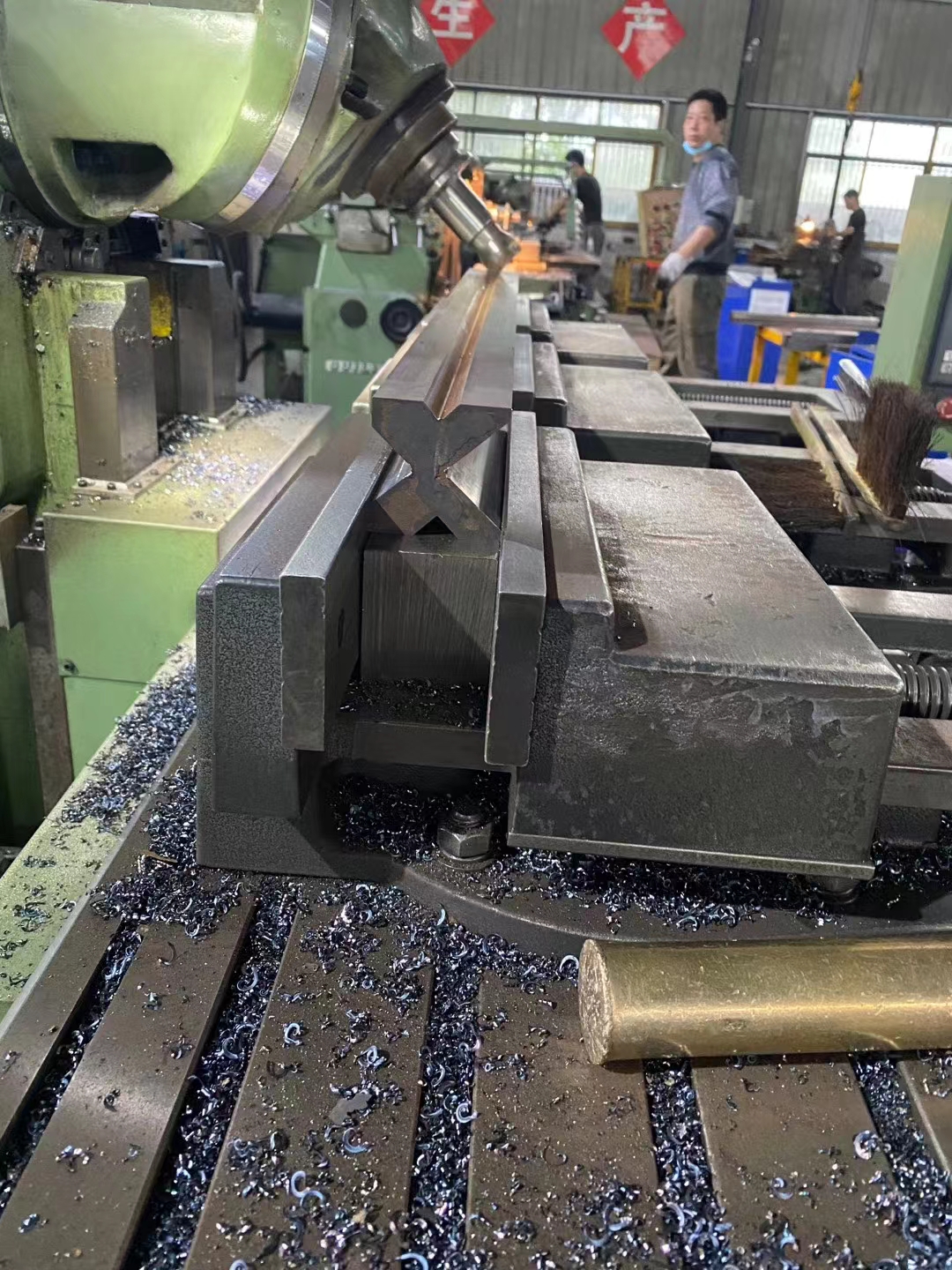

Nanjing Alas International Co., Ltd. is a professional industrial tooling manufacturer focused on shear blades, bending dies, shredder blades, and custom wear parts. We offer full application engineering, material selection, setup guidance, and after-sales support to global customers.
Tell us your requirements, and our engineering team will provide professional solutions for blade specification, tool life optimization, and cost-effective production.