L/C, T/T, Paypal, Money Gram
10
| Availability: | |
|---|---|
| Quantity: | |
In the demanding world of waste management, the efficiency of your recycling process hinges on one critical component: the rotary blade. When it comes to industrial applications, using standard knives often leads to frequent downtime and increased operational costs. Choosing high-quality industrial plastic shredder replacement blades is not just a purchase; it's a strategic investment in productivity.
Industrial shredders handle everything from rigid HDPE containers to tough PET bottles and films. Our replacement blades are designed to withstand the rigorous demands of these industrial applications, providing consistent throughput even under heavy-duty cycles. By maintaining a sharp, precise cut, these blades reduce the strain on your motor, lowering energy consumption across your entire facility.
Not all steel is created equal. Premium replacement blades are typically forged from specialized tool steels like D2 (SKD11) or DC53. These materials offer the perfect balance of hardness and toughness, ensuring that your rotary blade resists chipping and abrasion. This high wear resistance means fewer blade rotations and replacements, allowing your team to focus on production rather than maintenance.
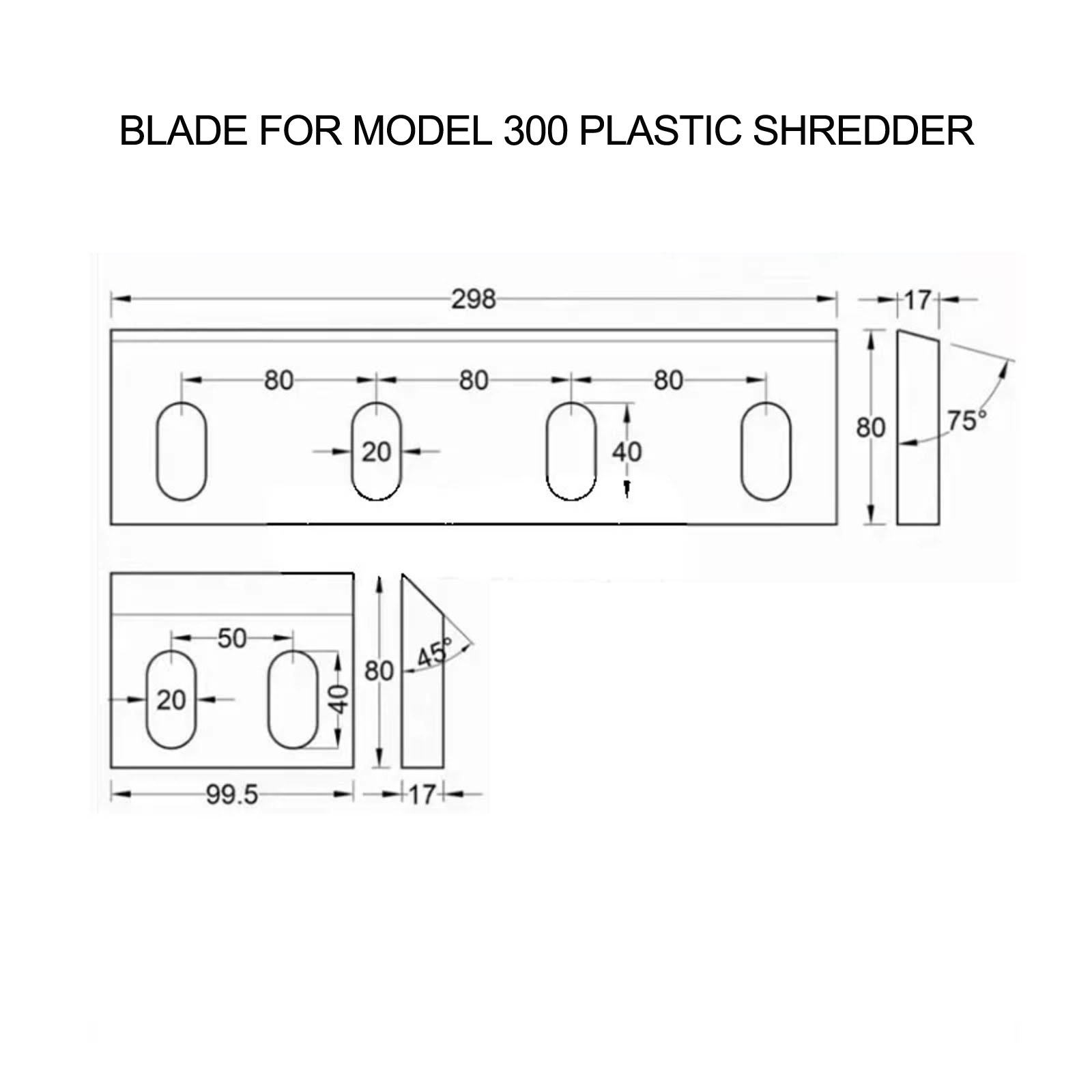
The geometry of a rotary blade determines the final particle size and the cleanliness of the cut. High-quality blades undergo precision CNC machining and vacuum heat treatment to achieve exact tolerances. This ensures perfect alignment within the shredder chamber, preventing material jams and ensuring a uniform output that meets strict recycling standards.
The material of plastic shredder blades directly determines the shredding effect, service life, and equipment operating stability. Different types of plastics (hard and brittle materials / soft and tough materials / fiber-reinforced thick materials) have significantly different requirements for blade hardness, toughness, and shear force. Our factory precisely matches suitable blade materials for three major categories of plastics: ABS/PS/hard PVC, PE/PP/PA/film, and fiber-reinforced/thick/mixed materials. We provide detailed explanations of the core characteristics and applicable scenarios of each material to offer professional guidance.
The hardness, toughness, and fiber content of plastics determine the stress points during shredding. Hard and brittle materials are prone to impact, soft materials are prone to blade entanglement and adhesion, and fiber-reinforced materials are prone to wear on the cutting edge. Blade selection should follow the principles of high hardness, wear resistance, and impact resistance for hard materials; high toughness and shear force for soft materials; and high wear resistance and resistance to chipping for fiber-reinforced materials. Precise matching can reduce costs and improve efficiency.
Hard plastics are hard and brittle. During the shredding process, the blades are susceptible to instantaneous impact forces, leading to problems such as chipping and rapid dulling of the cutting edge. This requires extremely high hardness, wear resistance, and impact resistance from the blades.
1. Possesses extremely high hardness and superior wear resistance, maintaining a sharp cutting edge for a long time and significantly reducing the frequency of dulling;
2. Excellent impact resistance, able to withstand the instantaneous impact force of hard plastic shredding, preventing chipping and breakage;
3. High cutting edge strength, suitable for high-speed cutting of hard and brittle materials. 1.3 Shredder Blades for Soft/High-Toughness Plastics (PE/PP/PA/Soft PU/Film)
Soft/high-toughness plastics have strong elasticity and good ductility. They are difficult to cut during shredding, leading to problems such as blade entanglement, material sticking to the blade edges, and material being discharged in strips. This requires blades with high toughness, shear strength, and smooth cutting edges.
1. Excellent toughness, not easy to break, suitable for the high-speed shearing motion of the shredder, effectively cutting highly elastic plastics;
2. High precision grinding of the cutting edge and smooth surface reduce sticking and entanglement of soft plastics, ensuring efficiency;
3. Good processing performance, allowing for fine grinding of the cutting edge.
Fiber-reinforced plastics (glass fiber/carbon fiber reinforced plastics) contain hard fibers, which can quickly wear down the blade edges; when shredding thick/mixed materials, the blades are subjected to multiple forces including impact, wear, and shear, making this the scenario with the highest demands on the overall performance of the blades.
1. Superior wear resistance compared to SKD-11, with excellent hardness and toughness, addressing the blade wear problem of fiber-reinforced materials and significantly increasing service life;
2. Outstanding resistance to chipping and fracture, suitable for the strong impact force of thick material crushing and the complex stress environment of mixed material crushing;
3. Good high-temperature stability; the cutting edge is not easily deformed during long-term continuous crushing of thick/mixed materials, maintaining a stable shearing effect.
China (GB) | USA(ASTM) | Japan (JIS) | Germany (DIN) | Germany (W-Nr) | France (NF) | Russia (ROCT) | U.K (BS) |
9CrSi | - | - | 90CrSi5 | 1.2108 | - | 9XC | - |
DC53 | |||||||
Cr12MOV | - | SKD11 | X165CrMov12 | 1.2601 | - | X12M | - |
Cr12Mo1V1 | D2 | - | X155Cr12Mo12 | 1.2379 | X160CrMoV12 | - | BD |


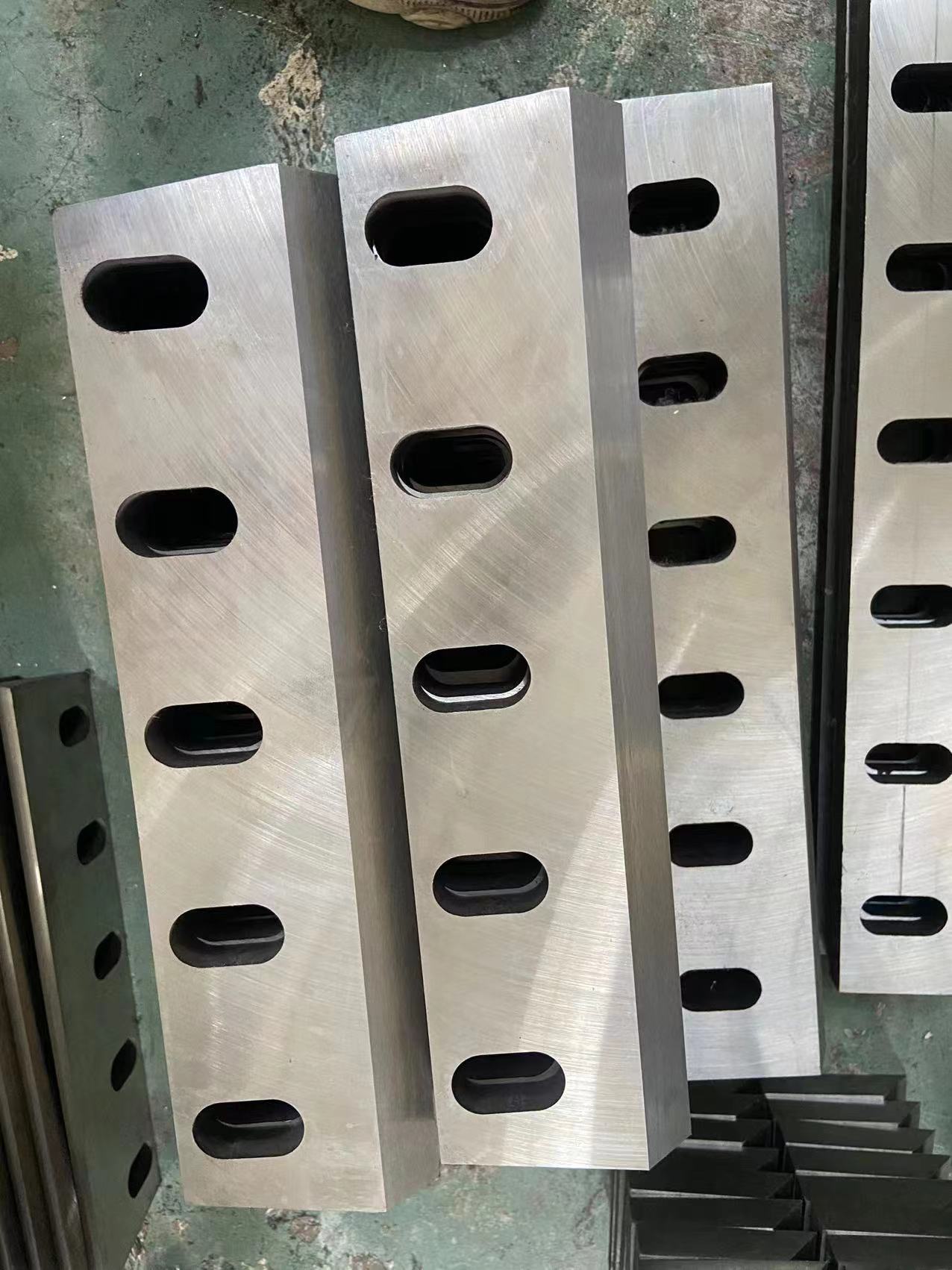
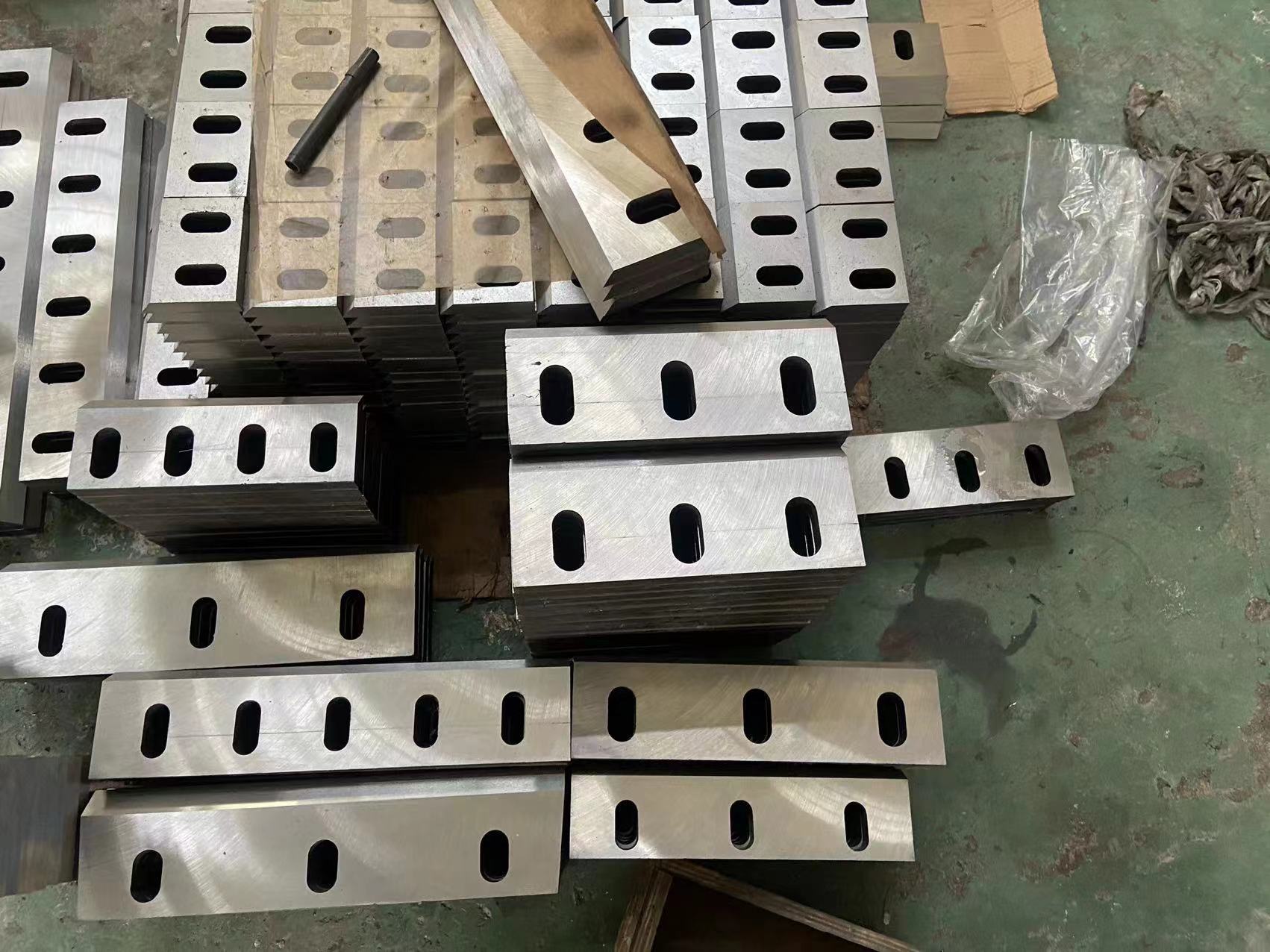
In the demanding world of waste management, the efficiency of your recycling process hinges on one critical component: the rotary blade. When it comes to industrial applications, using standard knives often leads to frequent downtime and increased operational costs. Choosing high-quality industrial plastic shredder replacement blades is not just a purchase; it's a strategic investment in productivity.
Industrial shredders handle everything from rigid HDPE containers to tough PET bottles and films. Our replacement blades are designed to withstand the rigorous demands of these industrial applications, providing consistent throughput even under heavy-duty cycles. By maintaining a sharp, precise cut, these blades reduce the strain on your motor, lowering energy consumption across your entire facility.
Not all steel is created equal. Premium replacement blades are typically forged from specialized tool steels like D2 (SKD11) or DC53. These materials offer the perfect balance of hardness and toughness, ensuring that your rotary blade resists chipping and abrasion. This high wear resistance means fewer blade rotations and replacements, allowing your team to focus on production rather than maintenance.
The geometry of a rotary blade determines the final particle size and the cleanliness of the cut. High-quality blades undergo precision CNC machining and vacuum heat treatment to achieve exact tolerances. This ensures perfect alignment within the shredder chamber, preventing material jams and ensuring a uniform output that meets strict recycling standards.
The material of plastic shredder blades directly determines the shredding effect, service life, and equipment operating stability. Different types of plastics (hard and brittle materials / soft and tough materials / fiber-reinforced thick materials) have significantly different requirements for blade hardness, toughness, and shear force. Our factory precisely matches suitable blade materials for three major categories of plastics: ABS/PS/hard PVC, PE/PP/PA/film, and fiber-reinforced/thick/mixed materials. We provide detailed explanations of the core characteristics and applicable scenarios of each material to offer professional guidance.
The hardness, toughness, and fiber content of plastics determine the stress points during shredding. Hard and brittle materials are prone to impact, soft materials are prone to blade entanglement and adhesion, and fiber-reinforced materials are prone to wear on the cutting edge. Blade selection should follow the principles of high hardness, wear resistance, and impact resistance for hard materials; high toughness and shear force for soft materials; and high wear resistance and resistance to chipping for fiber-reinforced materials. Precise matching can reduce costs and improve efficiency.
Hard plastics are hard and brittle. During the shredding process, the blades are susceptible to instantaneous impact forces, leading to problems such as chipping and rapid dulling of the cutting edge. This requires extremely high hardness, wear resistance, and impact resistance from the blades.
1. Possesses extremely high hardness and superior wear resistance, maintaining a sharp cutting edge for a long time and significantly reducing the frequency of dulling;
2. Excellent impact resistance, able to withstand the instantaneous impact force of hard plastic shredding, preventing chipping and breakage;
3. High cutting edge strength, suitable for high-speed cutting of hard and brittle materials. 1.3 Shredder Blades for Soft/High-Toughness Plastics (PE/PP/PA/Soft PU/Film)
Soft/high-toughness plastics have strong elasticity and good ductility. They are difficult to cut during shredding, leading to problems such as blade entanglement, material sticking to the blade edges, and material being discharged in strips. This requires blades with high toughness, shear strength, and smooth cutting edges.
1. Excellent toughness, not easy to break, suitable for the high-speed shearing motion of the shredder, effectively cutting highly elastic plastics;
2. High precision grinding of the cutting edge and smooth surface reduce sticking and entanglement of soft plastics, ensuring efficiency;
3. Good processing performance, allowing for fine grinding of the cutting edge.
Fiber-reinforced plastics (glass fiber/carbon fiber reinforced plastics) contain hard fibers, which can quickly wear down the blade edges; when shredding thick/mixed materials, the blades are subjected to multiple forces including impact, wear, and shear, making this the scenario with the highest demands on the overall performance of the blades.
1. Superior wear resistance compared to SKD-11, with excellent hardness and toughness, addressing the blade wear problem of fiber-reinforced materials and significantly increasing service life;
2. Outstanding resistance to chipping and fracture, suitable for the strong impact force of thick material crushing and the complex stress environment of mixed material crushing;
3. Good high-temperature stability; the cutting edge is not easily deformed during long-term continuous crushing of thick/mixed materials, maintaining a stable shearing effect.
China (GB) | USA(ASTM) | Japan (JIS) | Germany (DIN) | Germany (W-Nr) | France (NF) | Russia (ROCT) | U.K (BS) |
9CrSi | - | - | 90CrSi5 | 1.2108 | - | 9XC | - |
DC53 | |||||||
Cr12MOV | - | SKD11 | X165CrMov12 | 1.2601 | - | X12M | - |
Cr12Mo1V1 | D2 | - | X155Cr12Mo12 | 1.2379 | X160CrMoV12 | - | BD |


