How to Choose the Right Square Tube Cutting Die for High-Volume Production
In metal processing, Square Tube Cutting Die decides cutting efficiency and product quality. It also affects long-term production costs. Choose a durable die. You will avoid burrs, tube deformation, and downtime. It is key for automatic pipe production lines. If you make furniture, building frames, or auto parts, the right die will improve output and reduce waste.
1. Key Needs for High-Volume Square Tube Cutting Dies
Mass production needs stable, wear-resistant, and compatible dies. Unlike small batches, mass production requires long-term, high-frequency work. This raises standards for materials, design, and line compatibility.
1.1 3 Key Performance Points
For mass production, three points are a must:
No burrs on the cut
No tube deformation
Long die life
These directly affect defective rates, extra processing costs, and line efficiency.
1.1.1 Cutting Quality: No Burrs, No Deformation
Burrs and deformation mean extra grinding. They also hurt product assembly. A good tube shearing mold uses precise design to avoid these issues.
1.1.2 Stability: Consistent Performance Over Time
In mass production, dies run for hours or days. Stable performance means every cut is good. It reduces downtime and die changes.
2. Material & Hardness: The Base of Die Life
Die material decides wear resistance and life. For high-speed stamping, the material must resist impact and friction. It should not chip or deform.
2.1 Best Materials for Mass Production
Good dies use high-quality tool steel. After heat treatment, they have high hardness and toughness. A top choice is SKD11 (also called Cr12MoV). Other good options include:
2.1.1 SKD11 / Cr12MoV Tool Steel
This is a high-carbon, high-chromium steel.Chemical Composition:
C: 1.40-1.60%
Cr: 11.00-13.00%
Mo: 0.40-0.60%
V: 0.15-0.30%
Si & Mn: ≤0.40% (each)
P & S: ≤0.030% (each)
Key Performance:After vacuum heat treatment, hardness hits HRC 60-64.It has strong wear resistance. It resists frequent stamping friction.It has good toughness. It won't chip under impact.It has high hardenability. The whole die has uniform hardness.
Best For:Medium to high-volume cutting.Thick-walled square tubes.High-frequency mass production.
2.1.2 DC53 Tool Steel
This is an improved version of SKD11.Chemical Composition:
C: 1.00-1.20%
Cr: 11.00-13.00%
Mo: 0.80-1.20%
V: 0.80-1.20%
Si & Mn: ≤0.60% (each)
P & S: ≤0.030% (each)
Key Performance:More Mo and V make it tougher and more wear-resistant.It resists chipping better during high-speed stamping.It has better size stability after heat treatment.
Best For:Large automated production lines.Long-term, stable operation.
2.2 Heat Treatment: For Stable Performance
Good materials need good heat treatment. Vacuum quenching and tempering are key.They make the die hardness uniform. They improve toughness. They remove internal stress.This extends die life significantly.
3. Structure Design: Key to Efficient Cutting
A good structure improves cutting quality, reduces wear, and boosts speed.For mass production, focus on: no burrs, no deformation, and smooth discharge.
3.1 Burr-Free & No-Deformation Structure
Advanced square tube shearing mold uses precise matching and dual-edge design.It reduces side pressure. It stops deformation. It achieves cavity-free cutting.
3.1.1 Dual-Edge Design
The dual-edge splits cutting force. It reduces pressure on one edge.It avoids chipping. It ensures straight cuts.It works well for thin-walled tubes.
3.1.2 Cavity-Free Cutting
This design protects the inner wall. No burrs inside.It reduces grinding. This is critical for mass production efficiency.
3.2 Discharge System
In mass production, smooth discharge stops line jams.The die has a discharge plate and spring device.It removes tubes and scraps fast. The line runs non-stop.
3.3 Guide Structure
Guides (posts and sleeves) align upper and lower dies.They stop uneven wear. They keep cutting accuracy consistent.This is needed for uniform mass-produced parts.
4. Compatibility: Match Automated Lines
Mass production uses automated lines. The die must fit well.It should work with all equipment for stable efficiency.
4.1 Compatibility with Hydraulic Equipment
A good hydraulic tube die fits all hydraulic punches.It works for semi-automatic and fully automatic machines.It matches stamping speed. It ensures stable feeding and cutting.It controls precision (usually within ±0.1mm).
4.2 Custom Tube Compatibility
Different industries need different tube sizes and wall thicknesses.The die should be customizable. You won't need many dies.This saves costs and speeds up production.
5. Daily Maintenance: Extend Die Life
Long die life means low costs. Good maintenance reduces wear. It stops early failure.
5.1 Regular Lubrication
Use special stamping lubricant on the edge and guides.It reduces friction. It stops edge wear. It extends life.
5.2 Regular Inspection
Check concentricity and alignment. Adjust if off.This stops uneven wear. Check edges often. Replace or regrind when needed.
5.3 Timely Sharpening
Sharpen the edge when small burrs appear.This keeps cuts clean. Don't use a worn edge—it hurts quality and speeds up damage.
6. Conclusion
For high-volume square tube processing, a high-performance Square Tube Cutting Die means more output, fewer defects, and lower long-term costs.
To choose the right die, focus on:
Material selection
Structure design
Line compatibility
Daily maintenance
We are a professional die manufacturer. We offer customized square pipe cutting solutions for different sizes, wall thicknesses, and equipment. We provide one-stop service—from design to maintenance—to support your stable, efficient mass production.
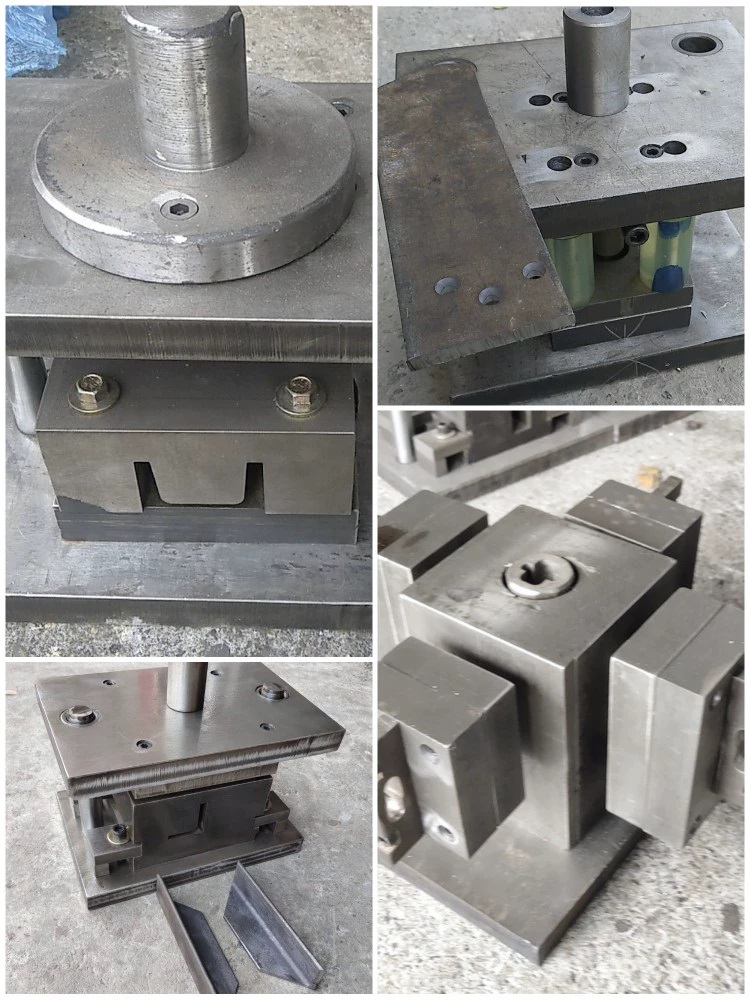
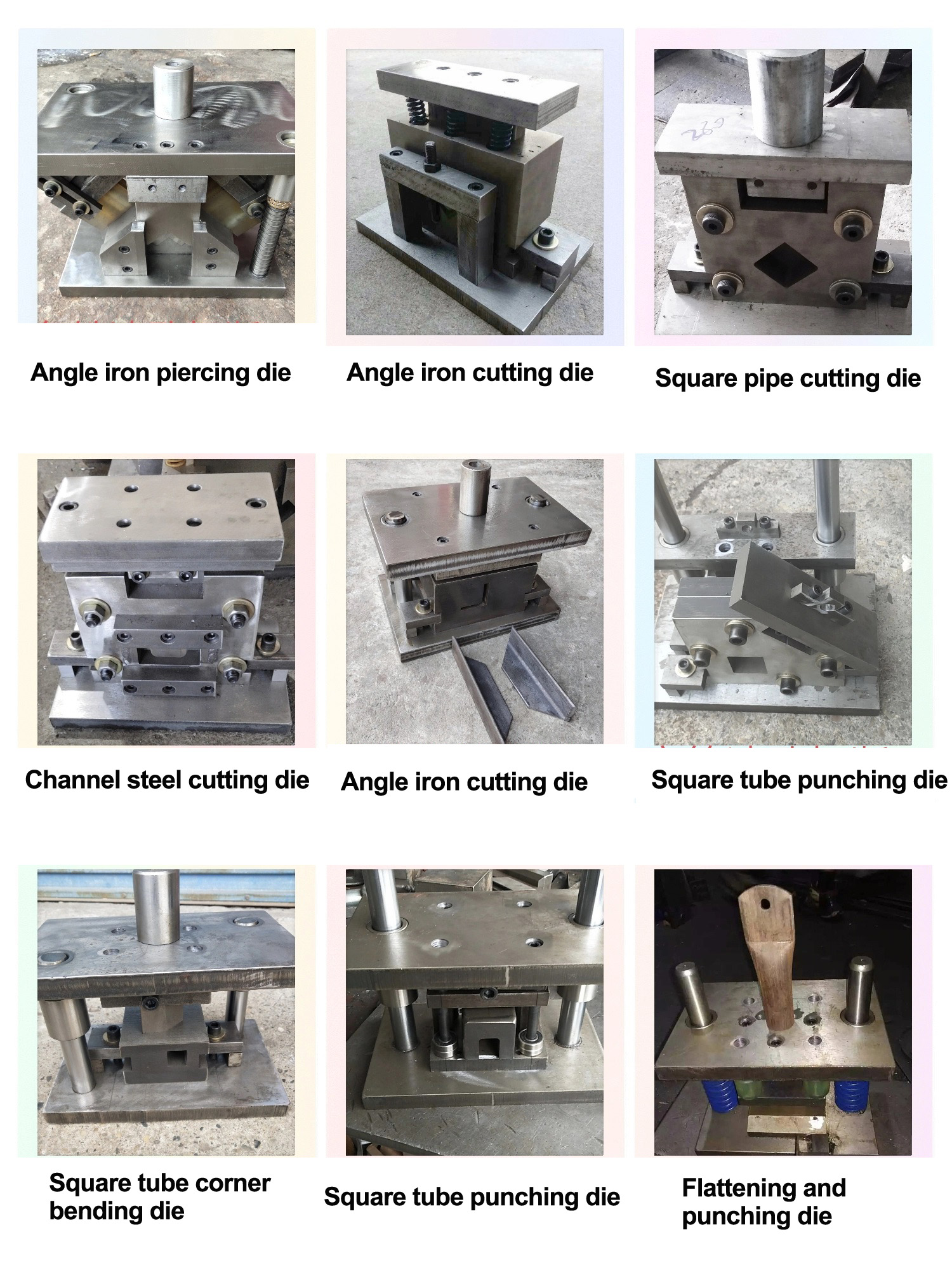
Global Supply: Precision Square Tube Cutting Dies & Tooling
We manufacture high-performance Square Tube Cutting Dies (Material: D2, SKD11, DC53) designed for hydraulic and mechanical pipe cutting machines, ensuring burr-free edges and zero deformation:
English: Square Tube Cutting Die | Rectangular Pipe Cutting Tools
French (Français): Matrice de coupe pour tubes carrés | Outils de coupe pour profilés rectangulaires
Portuguese (Português): Matriz de corte para tubos quadrados | Ferramentas de corte de tubos retangulares
Polish (Polski): Matryca do cięcia rur kwadratowych | Narzędzia do profili prostokątnych
Turkish (Türkçe): Kare Boru Kesme Kalıbı | Dikdörtgen Profil Kesme Aparatları
Vietnamese (Tiếng Việt): Khuôn cắt ống vuông | Bộ dao cắt ống chữ nhật
Thai (ภาษาไทย): แม่พิมพ์ตัดท่อเหลี่ยม | เครื่องมือตัดท่อสี่เหลี่ยมและกล่องโลหะ
Filipino: Die na Pang-cut ng Square na Tubo | Tool sa Pagputol ng Rectangular na Pipe
Arabic (العربية): قالب قطع الأنابيب المربعة | أدوات قطع المواسير المستطيلة
Hindi (हिन्दी): चौकोर ट्यूब काटने वाला डाई | आयताकार पाइप काटने के उपकरण
Indonesian (Bahasa Indonesia): Cetakan Potong Pipa Kotak | Alat Pemotong Profil Persegi Panjang
Malay (Bahasa Melayu): Acuan Pemotong Tiub Segi Empat | Alat Pemotong Paip Segi Empat Tepat
Dutch (Nederlands): Snijmatrijs voor vierkante buizen | Gereedschap voor rechthoekige profielen
Swedish (Svenska): Skärmatris för fyrkantiga rör | Verktyg för rektangulär rörklippning
Hungarian (Magyar): Négyzet alakú csővágó matrica | Téglalap alakú csővágó szerszámok
Greek (Ελληνικά): Μήτρα κοπής τετράγωνων σωλήνων | Εργαλεία κοπής ορθογώνιων προφίλ


