


Phone:
86-15852949220


 |

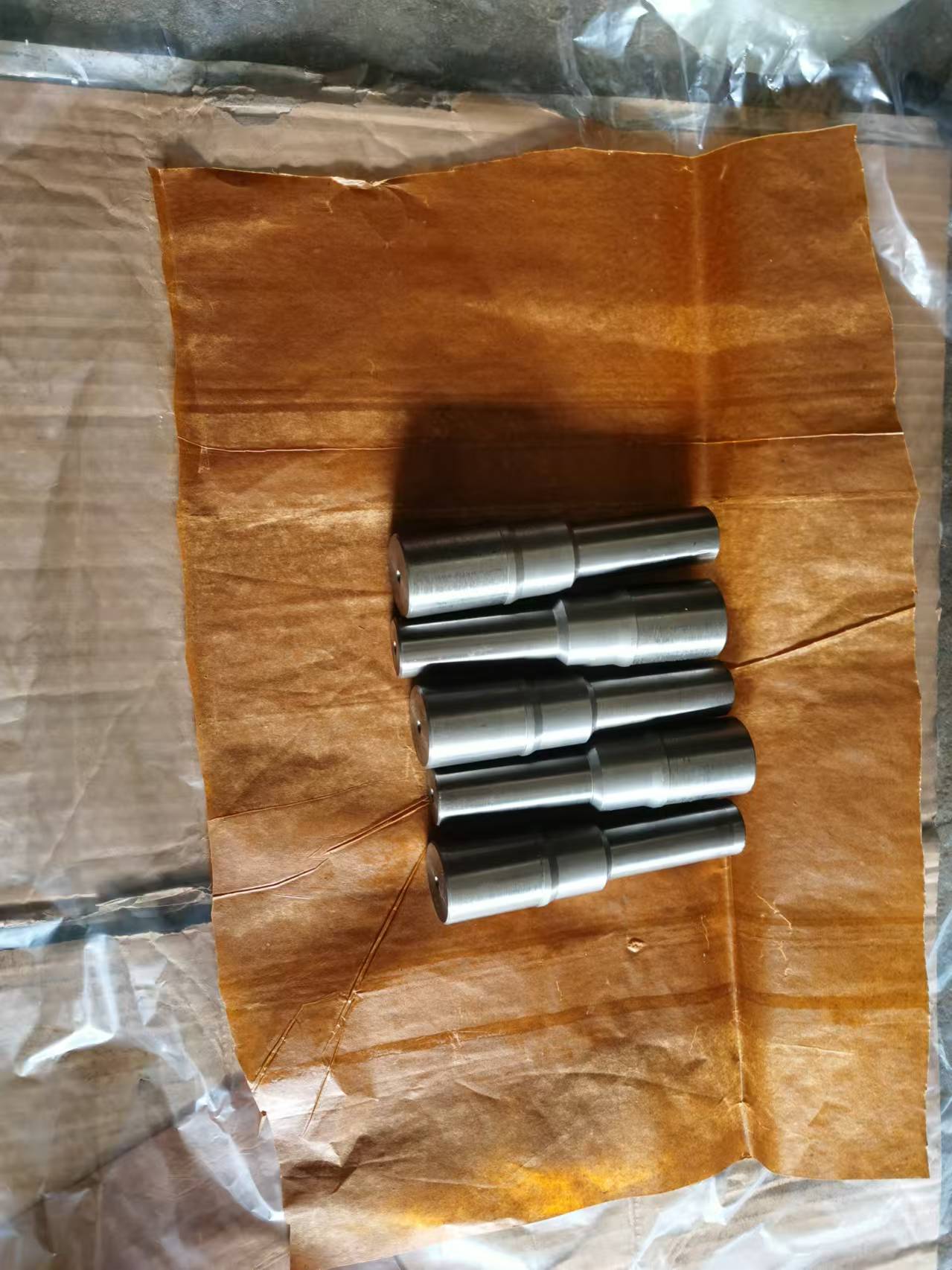


Central roller: Fixed at the center, determines minimum bending radius, ensures consistent bend radii.
Movable roller: Applies bending force, adjusts position to control angle and compensate for springback.
Positioning roller: Supports rebar, prevents displacement/warping during bending.
Small: For 6-16mm rebar (stirrups, small precast parts).
Medium: For 18-28mm rebar (main structure, beams/slabs).
Large: For 32-50mm rebar (columns, shear walls).
Special: Custom for irregular rebar, high-strength steel. Supporting parts are also customized to reduce structural fatigue.
Roller diameter: 25-120mm (1.5-5x the rebar diameter) – affects bending radius and consistent bend radii.
Roller width: 15-50mm – determined by rebar size and quantity per bend; wider = more stable, less springback.
Shaft hole diameter: 16-40mm – matches machine disc and pin shaft; ensures stability, reduces structural fatigue.
Rollers: Cr12MoV (high hardness, wear resistance, stability) – good for regular and medium-strength rebar.
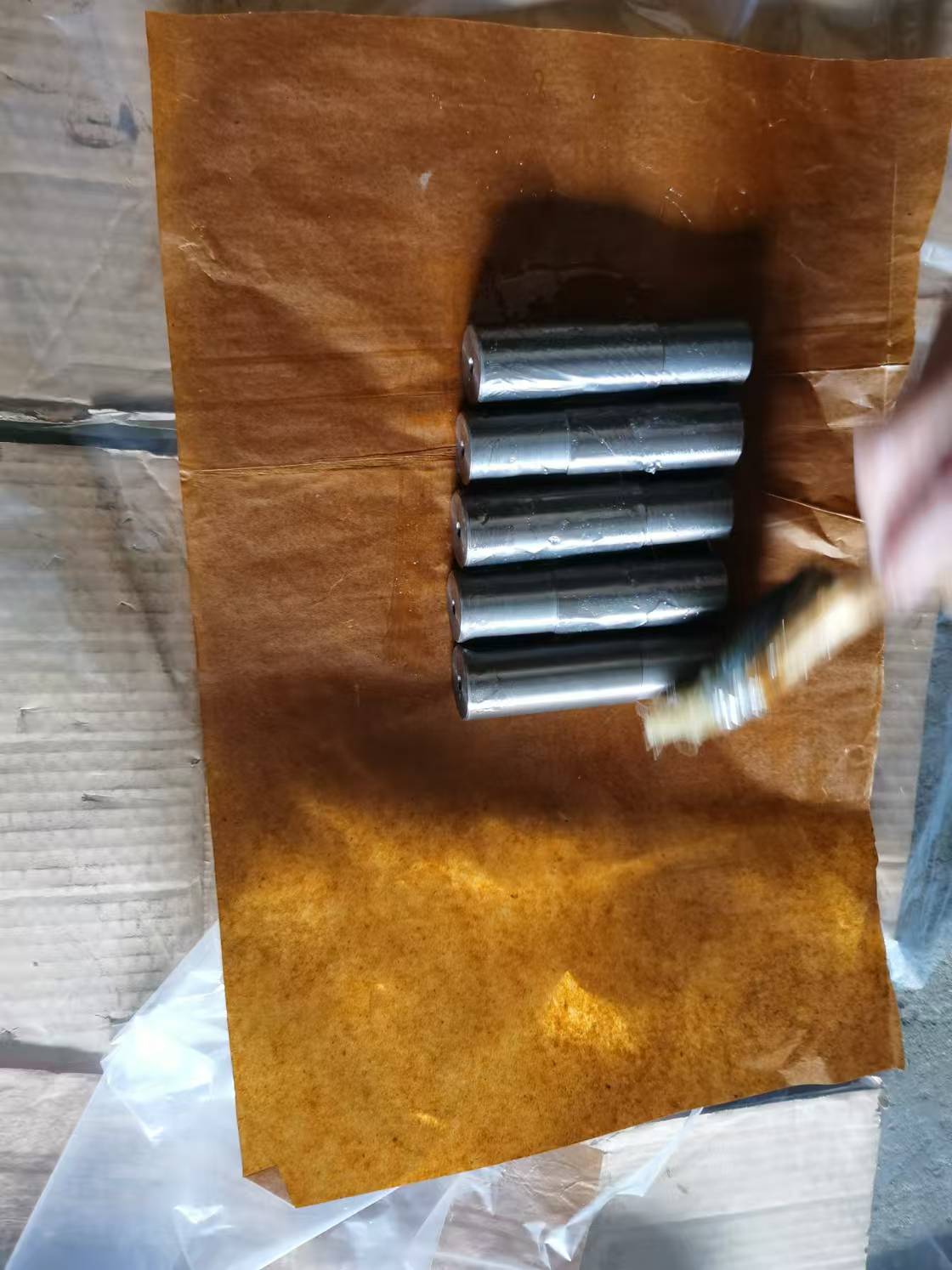
Pin shaft: 45# steel (tough, easy to machine) or 40Cr (higher strength, wear resistance for heavy loads).
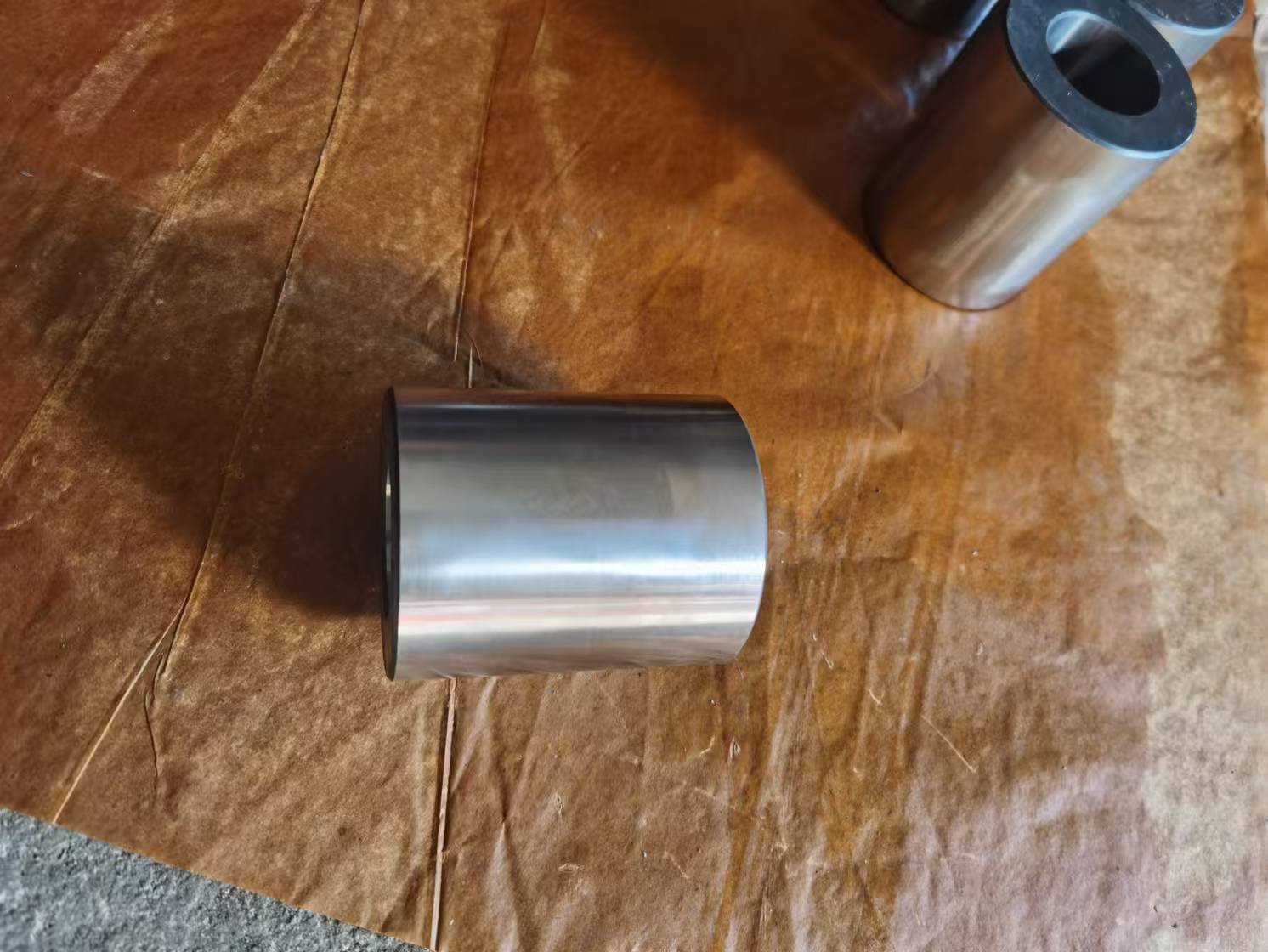
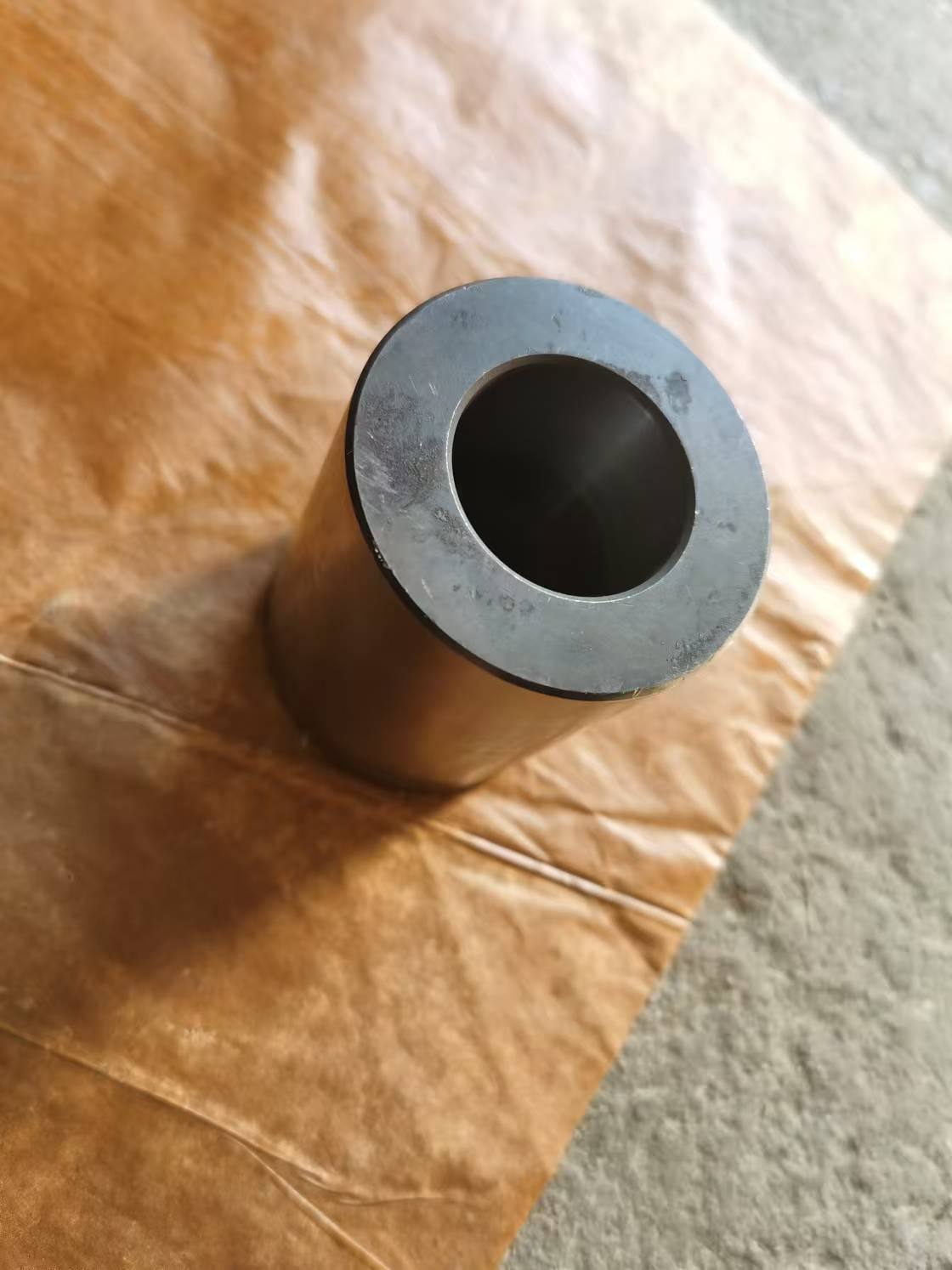
Sleeve: Cr12MoV (matches rollers, reduces friction and structural fatigue).
Precision forging: Makes metal structure dense; improves strength, resists fracture and structural fatigue.
Vacuum heat treatment: Ensures hardness, avoids deformation, maintains accuracy (critical for springback control and consistent bend radii).
Precision grinding: Finishes parts; tolerance ±0.02mm for rollers, pin shafts, and sleeves – ensures accuracy.
Building construction: Bend rebar for beams, columns, slabs; needs consistent bend radii and springback control.
Bridge engineering: Precise bending for prestressed/rebar; needs structural fatigue resistance.
Tunnel engineering: Bend rebar for arches and grid frames.
Rebar processing plants: Mass-produce standard rebar parts; ensures efficiency and consistent bend radii.
Precast factories: Process rebar for precast beams/slabs; ensures standardization.
Match the die to your bending machine (check shaft hole and installation method) – ensures stability, reduces structural fatigue.
Choose the right roller size for your rebar (max/min diameter) – ensures consistent bend radii and springback control.
Pick materials based on use: Cr12MoV for rollers/sleeves; 45# steel/40Cr for pin shafts (based on load).
Check manufacturing precision (tolerance) – critical for accuracy.
Before use: Check rollers, pin shafts, and sleeves for secure installation; clean rebar fragments/rust.
During use: Follow size limits; avoid overloading (prevents deformation and excess structural fatigue).
After use: Clean parts; apply anti-rust oil to shaft holes, pin shafts, and mating surfaces (prevents rust and wear).
Repair: Polishing/welding for slight wear/scratches (no effect on size or structure).
Replace: Severe wear, cracks, deformation, or misalignment (causes structural fatigue and poor springback control).
Full replacement: For broken/deformed molds – use original manufacturer parts (including pin shafts/sleeves) for compatibility.


Nanjing Alas International Co., Ltd. is a professional industrial tooling manufacturer focused on shear blades, bending dies, shredder blades, and custom wear parts. We offer full application engineering, material selection, setup guidance, and after-sales support to global customers.
Tell us your requirements, and our engineering team will provide professional solutions for blade specification, tool life optimization, and cost-effective production.