High-Precision Press Brake Dies: Complete Technical & Selection Guide
1. Product Overview
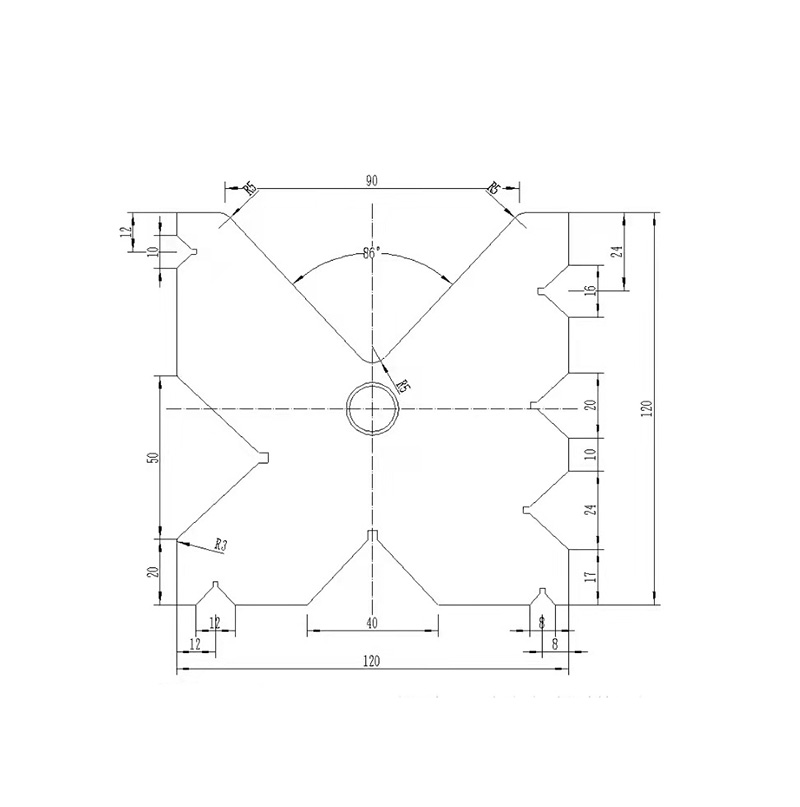
We supply a full lineup of segmented press brake tooling, including multi-V dies, acute angle punches and gooseneck punches, covering nearly all standard sheet metal bending applications.
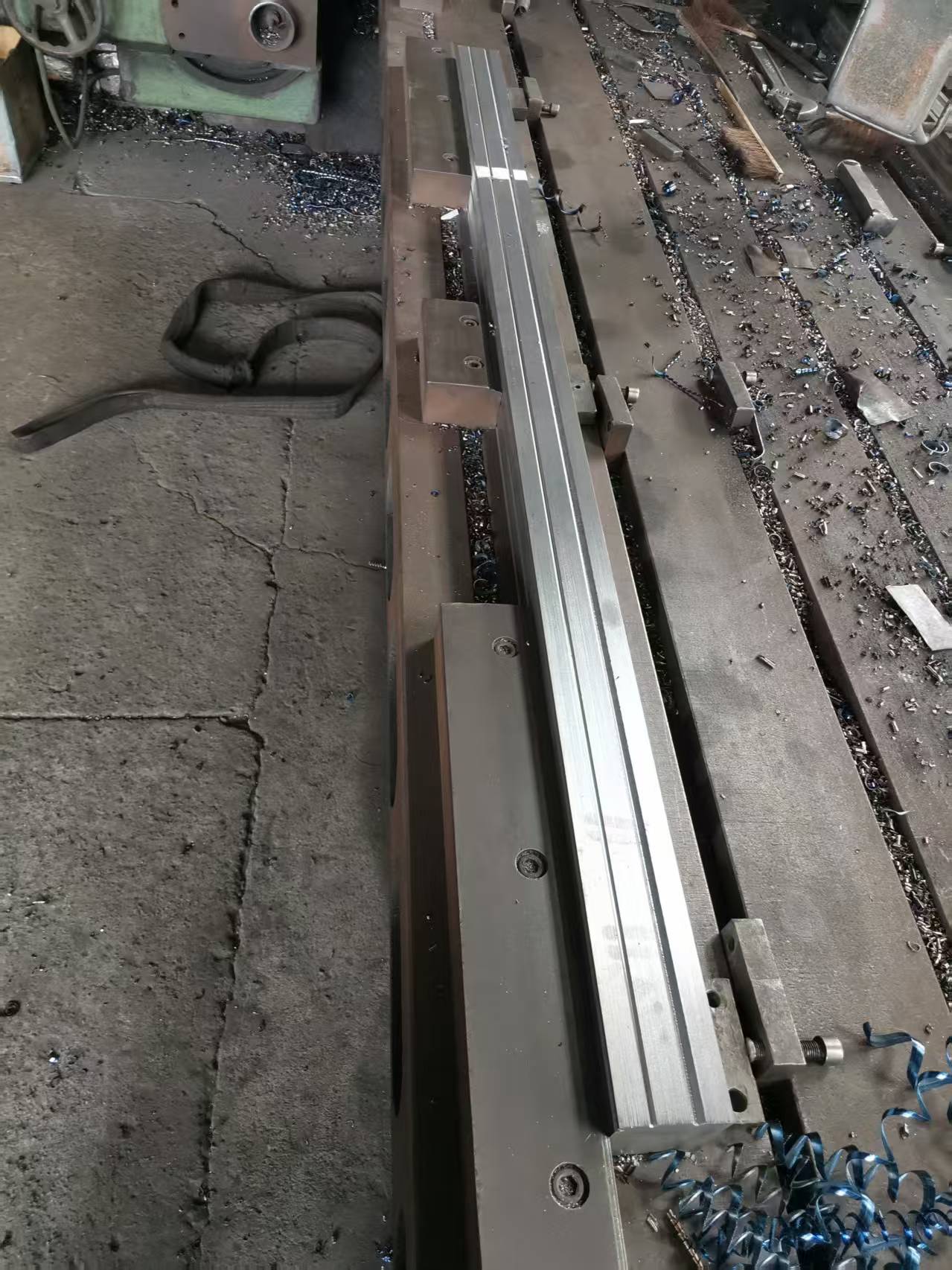
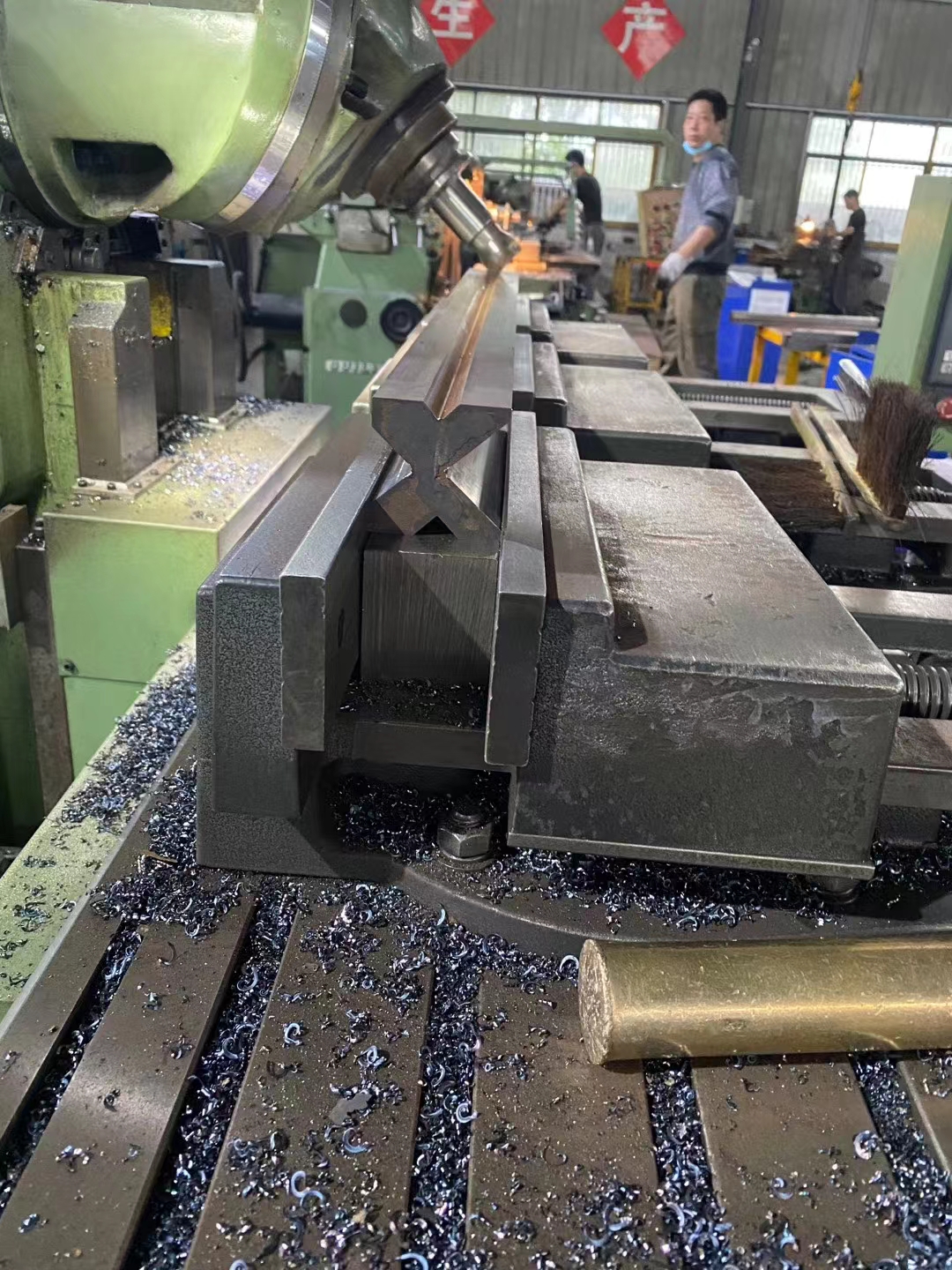
All our tooling is precision forged from premium 42CrMo (AISI 4140 / SCM440) alloy steel. Full-length induction hardening delivers a consistent hardness of HRC 47±3, offering outstanding wear resistance for continuous heavy-duty production. Every tool is finish-ground to tight tolerances, guaranteeing high dimensional accuracy, stable bending performance and extended service life for industrial metal forming operations.
2. Why Precision Dies Are Critical for Bending Quality
Final bending accuracy relies heavily on die quality, not just the press brake’s CNC control system.
Even high-end CNC hydraulic bending machines cannot compensate for defects caused by worn, deformed or low-precision dies. Inferior tooling frequently leads to inconsistent bending angles, edge waves, distorted workpieces and high scrap rates, which push up production costs and reduce overall workshop efficiency.
Our heat-treated, precision-machined dies eliminate angular deviation and edge wave problems at the source. They deliver stable, repeatable bending results across full-length workpieces, making them a reliable solution for high-volume precision sheet metal fabrication.
3. Press Brake Dies: Definition, Structure & Working Principle
3.1 Definition & Industry Applications
Press brake dies are specialized tool sets designed to pair with hydraulic bending machines. They form flat sheet metal into standard profiles, including 90° corners, V-shapes and U-shapes. These tools are widely adopted in machinery manufacturing, sheet metal processing, hardware production and cabinet fabrication.
3.2 Main Components
Upper Die (Punch): Moves vertically with the machine slider. Its profile defines the final shape of bent parts, whether straight, sharp or curved.
Lower Die: Secured firmly on the machine table with a standard V-groove structure. V-groove width directly affects pressure distribution and the overall quality of finished bend parts.
3.3 Working Process
1. Place sheet metal flat on the lower die surface; 2. The machine slider lowers the upper die to apply uniform pressure; 3. The sheet metal is pressed and formed to match the die contour; 4. The upper die resets upward, and the finished workpiece is removed.
4. Material Performance: 42CrMo Alloy vs. Ordinary Carbon Steel
In continuous industrial bending, tool tips endure persistent high-pressure extrusion and fatigue stress. Conventional carbon steel such as 45# steel features low hardness and poor toughness. Under long-term tonnage loading, it easily deforms, wears down and loses its original precision profile, resulting in unstable bending angles.
By contrast, high-grade 42CrMo alloy steel is formulated with balanced chromium, molybdenum and manganese content. It delivers exceptional structural rigidity and impact resistance, effectively resisting deflection and profile abrasion under sustained heavy loads. This makes it the optimal material for high-precision, long-lasting bending tooling.
5. Core Technical Advantages (Zero Angular Deviation & Edge Waves)
5.1 Full-Length Hardening & Ultra-Precision Parallelism
All functional working areas, including punch tips and lower die shoulders, undergo full-length CNC induction hardening, achieving uniform HRC 47±3 hardness throughout the tool. The hardened outer layer ensures long-term wear resistance, while the tough inner steel core absorbs instantaneous impact force during bending cycles.
After heat treatment, every die is precision ground to a strict 0.01mm/m parallelism tolerance, eliminating all horizontal and vertical surface waviness. This ensures even pressure distribution along the entire workpiece, delivering consistent bending angles and completely removing edge wave defects.
5.2 Flexible Segmented & Custom Tool Geometry
Our segmented die sets consist of interchangeable modules ranging from 10mm to 400mm, which can be freely combined to fit various bending lengths. This flexible configuration handles complex workpieces such as deep four-sided boxes and narrow return flanges, and effectively avoids tool-to-workpiece interference during operation.
In addition to standard specifications, we offer custom-shaped dies to accommodate non-standard workpiece forming requirements.
5.3 Universal Compatibility with Mainstream Bending Machines
Our tooling fits all mainstream international clamping standards, including Amada/Promecam, Trumpf/Wila and new universal standard systems. Standard dimensions match most popular domestic and imported bending machine models, supporting fast installation and perfect operational compatibility.
6. Press Brake Die Classification
6.1 By Shape
Standard Straight Dies: Suitable for general straight bending, the most widely used and versatile die type
Acute Angle Dies: Used for narrow angles and high-precision fine bending applications
Gooseneck Dies: Perfect for U-shaped and deep bending work, preventing processing interference
Arc Dies: Designed for curved and rounded workpiece forming
Custom Irregular Dies: Custom manufactured for special-shaped workpieces
6.2 By Application Scenario
Standard Grade: Cost-effective solution for mild steel, galvanized steel and other common low-hardness materials
High-Strength Grade: Features enhanced hardness and thickness, ideal for tough materials including stainless steel
Thin Material Grade: Optimized surface design to prevent scratches and deformation on ultra-thin metal sheets
6.3 By Machine Compatibility
Amada/Promecam Type: Fully compatible with Amada series bending machines
Trumpf/Wila Type: Matches the mounting standards of Trumpf and Wila equipment
Universal Standard Type: Adaptable to most conventional domestic bending machines
7. Professional Die Selection Guide
Correct die selection is essential for stable bending quality and prolonged tool service life. Follow the practical guidelines below for accurate matching:
1. Match dies with workpiece materialsDifferent metals feature unique bending elasticity and toughness. Harder materials like stainless steel require dedicated high-strength punches to prevent angular deviation and springback defects.
2. Follow standard V-groove width rules- Thin sheets (<3mm): V-groove width = 6 × material thickness - Medium sheets (3–8mm): V-groove width = 8 × material thickness (universal industry standard) - Thick sheets (>8mm): V-groove width = 10–12 × material thickness Strict implementation of these rules avoids sheet cracking and premature die damage.
3. Match machine tonnage capacitySelect dies that withstand the maximum working pressure of your bending machine to prevent overload and tool failure.
4. Select suitable punch profilesChoose punch shapes according to the final forming requirements of target workpieces.
5. Confirm machine fitting accuracyVerify die dimensions and clamping structure compatibility to ensure seamless installation and stable operation.
8. Practical Production & Operation Tips
Reserve reasonable compensation for metal springback in advance, as it is the main cause of bending angle inaccuracies
Strictly follow V-groove matching specifications to prevent workpiece cracking and tool breakage
Check die compatibility and installation tightness before formal mass production