The Essential Guide to Ironworker Punch and Die Sets: Performance & Precision
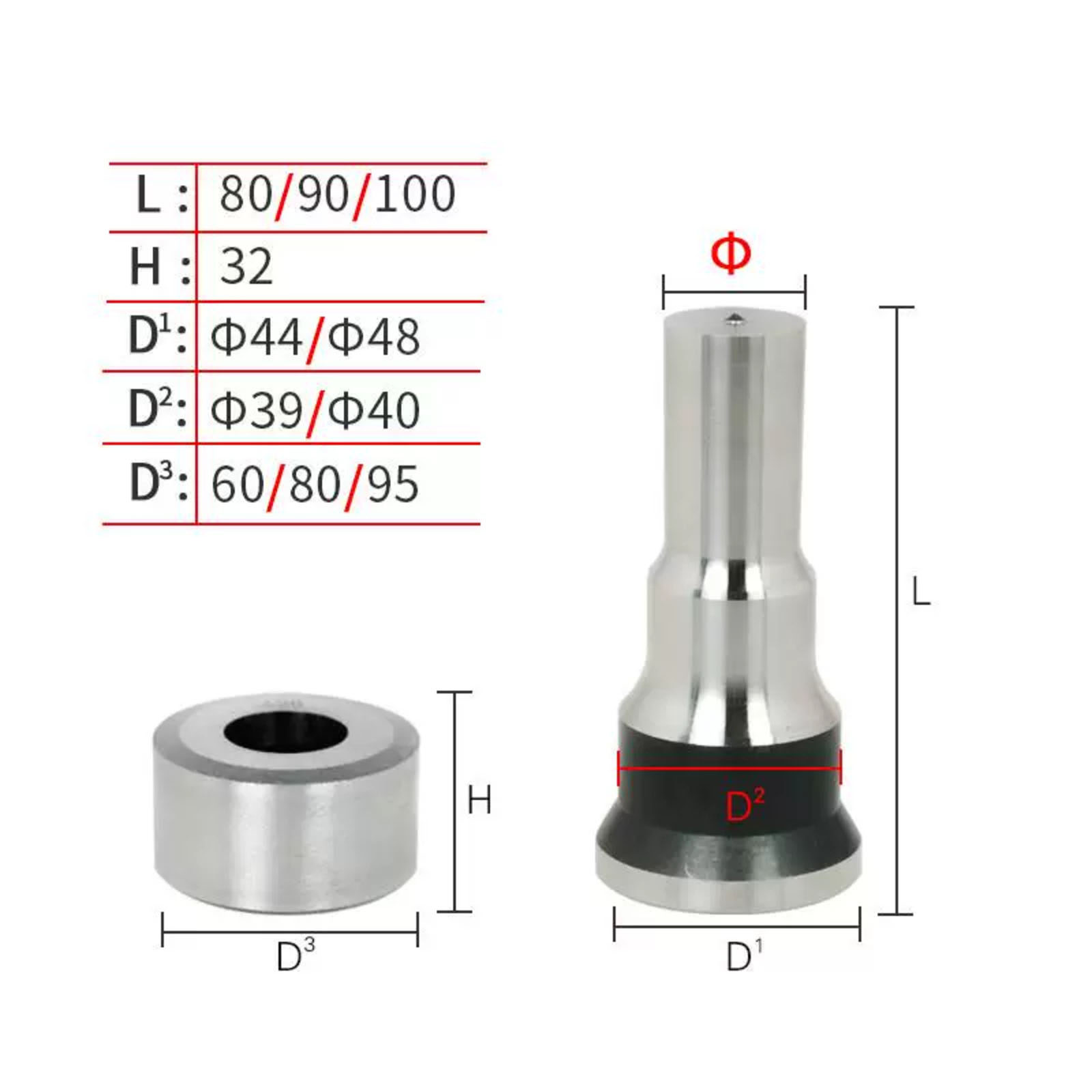
A high-quality ironworker punch and die set is the heart of any metal fabrication shop, serving as the core execution and matching components of the punching station. The punch, as the key execution part, works in precise conjunction with the die (including punching dies, forming dies, and die plates) to complete punching, bending, and forming operations. Choosing the right punch and die set not only ensures cleaner holes and stable forming effects but also protects your machine from unnecessary stress, reduces downtime, and lowers the frequency of tool replacement. Meanwhile, the blades and die plates of the combined punching and shearing machine, which are closely associated with punch and die sets, further complement the metal processing process, ensuring efficient and high-precision production.
Key Selection Factors
Material is the foundation of punch and die performance. This guide focuses on three high-performance tool steels—9CrSi, Cr12MoV, DC53—detailing their chemical compositions, performance impacts, and practical applications.
Material Grade: 9CrSi, Cr12MoV, DC53
Punch and die performance (hardness, wear resistance, toughness) depends directly on chemical composition. Each of the three tool steels has unique advantages for different processing needs.
9CrSi
Chemical Composition: C: 0.85-0.95%, Cr: 1.20-1.60%, Si: 1.00-1.30%, Mn/P/S ≤0.40%/0.030%/0.030%.
Performance Impact: Moderate carbon ensures basic hardness; chromium enhances hardenability and corrosion resistance; silicon boosts toughness and heat resistance. Balanced toughness and wear resistance, suitable for general medium-intensity punching (mild steel, thin-walled profiles).
Cr12MoV
Chemical Composition: C: 1.45-1.70%, Cr: 11.00-13.00%, Mo: 0.40-0.60%, V: 0.15-0.30%, Mn/Si ≤0.40%, P/S ≤0.030%.
Performance Impact: High carbon and chromium form wear-resistant chromium carbide (HRC 60-64); molybdenum resists high-temperature softening; vanadium refines grain. Excellent wear resistance and load-bearing, suitable for heavy-duty, high-wear punching (high-strength steel, thick plates).
DC53
Chemical Composition: C: 1.00-1.10%, Cr: 8.00-9.00%, Mo: 2.00-2.50%, V: 0.80-1.10%, Si: 0.80-1.10%, Mn: 0.30-0.60%, P≤0.025%, S≤0.010%.
Performance Impact: Modified Cr12MoV with balanced wear resistance and toughness. Increased molybdenum/vanadium solves brittleness; low impurities ensure uniformity. Best comprehensive performance, suitable for high-precision, high-intensity punching (structural steel, profiles).
Compatibility
Most ironworkers (such as Edwards, Geka, or Piranha) use standard style numbers (e.g., Style 162, Style 121). Ensure your punch and die set matches your machine’s specific holder requirements, as improper compatibility will not only affect punching precision but also accelerate tool wear and damage the machine. This compatibility also extends to the matching between punches and dies themselves—precise fit ensures uniform force distribution during punching, reducing burrs and slug sticking.
Die Clearance
Proper clearance (the gap between punch and die) is vital, and its optimal value is closely related to the material of the punch and die and the thickness of the processed metal. Using the correct clearance for your metal thickness—combined with the wear resistance and toughness of 9CrSi, Cr12MoV, or DC53—prevents "slug" sticking, excessive burrs, and premature tool wear. For example, DC53 punch and die sets, with their excellent toughness, can tolerate slightly smaller clearances, resulting in cleaner hole edges.
Signs It’s Time for a Replacement
Even high-quality punch and die sets made of 9CrSi, Cr12MoV, or DC53 will wear over time. Recognizing the following signs promptly can avoid damage to the machine and defective workpieces:
Increased Tonnage
If your machine requires more pressure to punch the same material, your ironworker punch and die set is likely dull. The wear-resistant properties of DC53 and Cr12MoV mean they will maintain sharpness longer than 9CrSi, but once tonnage increases significantly, it indicates the tool edge has worn down and needs replacement.
Rough Edges
Burrs or jagged edges on the exit side of the hole indicate the die edge is rounded. This is particularly obvious when processing high-hardness metals—Cr12MoV dies, with their high hardness, will show this sign later than 9CrSi, but once rough edges appear, they will affect the precision of subsequent processing and should be replaced immediately.
Noise Changes
A sharp "bang" instead of a clean "pop" can signal excessive friction from worn tooling. The uniform hardness and precise fit of DC53 punch and die sets minimize friction during normal use; a sudden noise change indicates poor fit or wear, which may also be accompanied by increased machine vibration.
Maximizing Tool Life
The service life of punch and die sets made of 9CrSi, Cr12MoV, or DC53 can be significantly extended with proper maintenance, further reducing production costs:
Always keep your punches lubricated: Lubrication reduces friction between the punch, die, and processed metal, preventing overheating and wear. This is especially important for Cr12MoV punch and die sets, as their relatively high brittleness can lead to chipping if overheated.
Regularly check the alignment of the die block: The die plate, as a supporting and positioning component, works in precise conjunction with the punch and die to ensure stability during shearing and punching. Misalignment will cause uneven force on the punch and die, accelerating wear and reducing precision.
Choose the right material for the application: Use 9CrSi for general medium-intensity punching, Cr12MoV for heavy-duty, high-wear scenarios, and DC53 for high-precision, high-intensity operations. Matching the material to the processing needs avoids unnecessary wear and extends tool life.
Additionally, the blades of the combined punching and shearing machine—also made of high-quality tool steels (often compatible with 9CrSi, Cr12MoV, or DC53)—should be maintained similarly to punch and die sets. These blades, after precise heat treatment and precision grinding, have sharp and wear-resistant edges, and regular lubrication and alignment checks will ensure their efficiency and service life.
Whether you are punching structural steel, decorative plate, or processing various profiles such as angle steel, channel steel, and round steel, a precision-engineered ironworker punch and die set—made of 9CrSi, Cr12MoV, or DC53—is the key to ensuring every hole is shop-floor ready and every forming process is stable. The chemical composition of these tool steels directly determines their performance: 9CrSi offers balanced toughness and wear resistance for general use, Cr12MoV excels in wear resistance for heavy-duty scenarios, and DC53 provides the best comprehensive performance for high-precision operations. By choosing the right material, ensuring compatibility, maintaining proper die clearance, and performing regular maintenance, you can maximize the service life of your punch and die set, reduce labor costs and workpiece waste, and achieve efficient, high-quality metal fabrication.