Nanjing, China
T/T, Money Gram
| Availability: | |
|---|---|
| Quantity: | |
Chemical Composition (Typical): C: 1.45-1.70%, Cr: 11.00-13.00%, Mo: 0.40-0.60%, V: 0.15-0.30%, Mn: ≤0.40%, Si: ≤0.40%, P: ≤0.030%, S: ≤0.030%.
Performance & Impact: High carbon and chromium form wear-resistant chromium carbide, achieving a Rockwell hardness (HRC) of 60-64. Molybdenum boosts heat resistance, preventing softening during high-intensity punching. Vanadium refines the grain structure, balancing wear resistance and toughness. This material is highly durable, resistant to deformation, and suitable for general to heavy-duty punching tasks.
Chemical Composition (Typical): C: 1.00-1.10%, Cr: 8.00-9.00%, Mo: 2.00-2.50%, V: 0.80-1.10%, Si: 0.80-1.10%, Mn: 0.30-0.60%, P: ≤0.025%, S: ≤0.010%.
Performance & Impact: A modified version of Cr12MoV, with increased molybdenum and vanadium to eliminate brittleness. It offers uniform hardness, strong impact resistance, and excellent wear resistance. Low phosphorus and sulfur content ensures high purity and stable performance, making it perfect for high-precision, high-intensity punching of various metal plates and profiles.
Chemical Composition (Typical): C: 1.45-1.70%, Cr: 11.00-13.00%, Mo: 0.40-0.60%, V: 0.15-0.30%, Mn: ≤0.40%, Si: ≤0.40%, P: ≤0.030%, S: ≤0.030% (equivalent to Cr12MoV).
Performance & Impact: High chromium and carbon content deliver excellent wear resistance and edge retention. After precise heat treatment, it reaches HRC 58-62, ensuring clean, burr-free cuts even after thousands of shearing cycles. It withstands moderate high temperatures and is suitable for shearing carbon steel, stainless steel, and various profiles.
Chemical Composition (Typical): C: 0.32-0.45%, Cr: 4.75-5.50%, Mo: 1.10-1.75%, V: 0.80-1.20%, Si: 0.80-1.20%, Mn: 0.20-0.50%, P: ≤0.030%, S: ≤0.030%.
Performance & Impact: Exceptional heat resistance and toughness, with molybdenum and vanadium enhancing high-temperature stability and wear resistance. It maintains sharp edges even under high-intensity shearing and heat buildup, preventing edge chipping. Ideal for shearing thick plates and high-hardness materials, ensuring square, clean cuts.
Material | Applicable Working Conditions | Core Advantages | Core Disadvantages |
9CrSi | Light-duty machines, ≤5mm thin/soft materials, small-batch | Good toughness, low cost, entry-level general-purpose | Average wear resistance, not for thick/high-strength conditions |
Cr12MoV | Small-medium tonnage, ≤10mm ordinary steel/profiles, regular batch | High cost-effectiveness, wear-resistant, small deformation, strong versatility | Average high-impact resistance, not for thick/hard materials |
DC53 | Small-medium tonnage, 8-15mm medium-thick/low-alloy steel, complex profiles | High toughness, wear-resistant, stable quenching, longer service life | Slightly higher cost than Cr12MoV, upgraded pricing |
Lubrication is Key: Regularly apply specialized lubricant to punches to reduce friction and heat buildup. This protects the material properties of Cr12MoV and DC53, extending their service life.
Check Blade Clearance: For the shear station, adjust the blade gap based on material thickness. A too-wide gap causes "folding," while a too-tight gap damages the sharp edges of SKD-11 and H13 blades.
Rotate Your Blades: Many ironworker blades have 2 or 4 cutting edges. Regularly flipping them ensures even wear, doubles tooling life, and maximizes the value of SKD-11 and H13 materials.
Specifically designed for shearing functions and compatible with the equipment’s shearing station. Made of SKD-11 or H13, they efficiently cut steel plates, angle steel, channel steel, round steel, and other profiles. After precise heat treatment and precision grinding, they feature sharp, wear-resistant edges—leveraging SKD-11’s excellent wear resistance and H13’s superior heat resistance. This ensures even force distribution, clean burr-free cuts, and long-term resistance to high-intensity shearing loads, reducing blade replacement frequency.
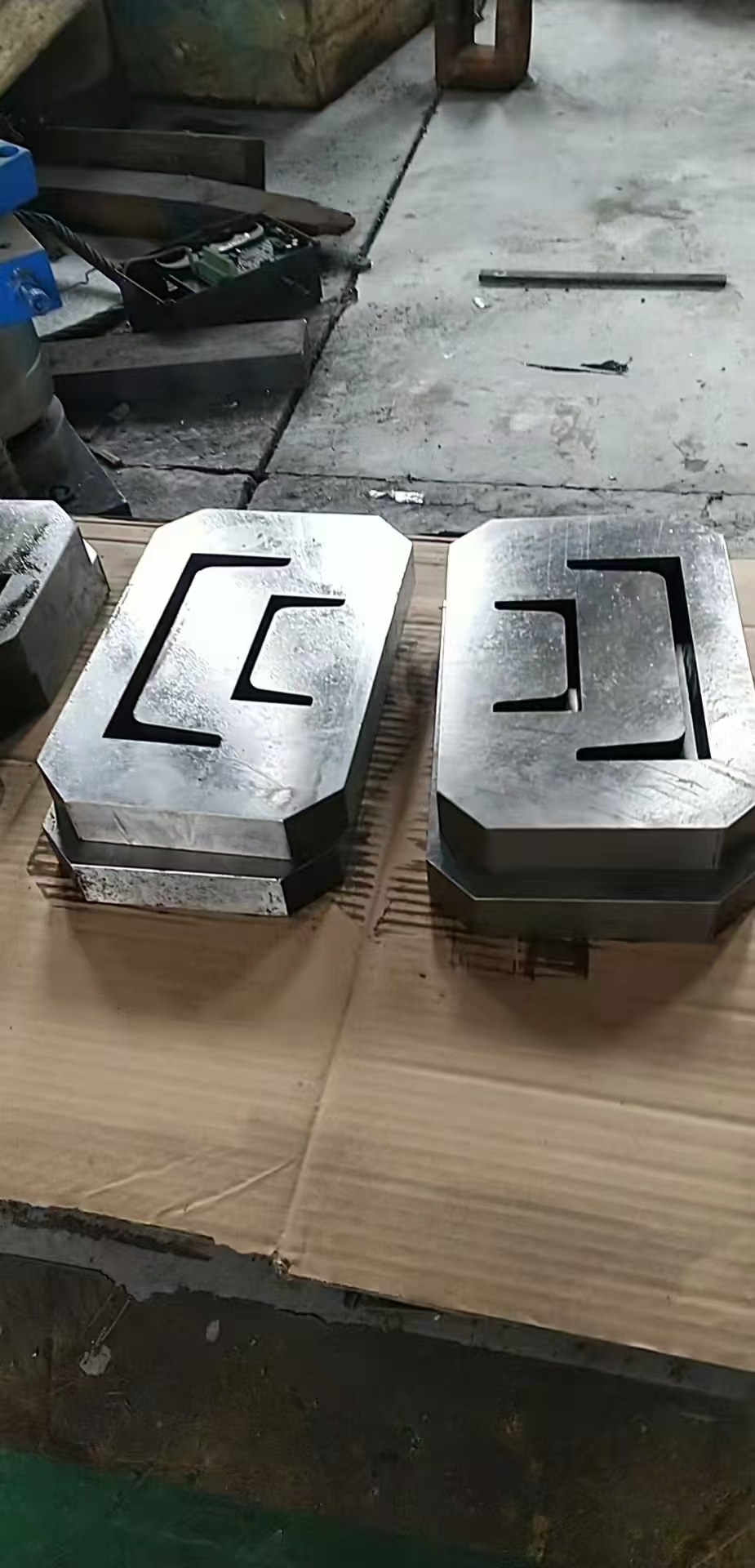
A supporting and positioning component for the shearing station, it works in precise conjunction with blades to ensure stability and dimensional accuracy during profile shearing. Its structural design matches different profile contours, preventing material displacement and warping, ensuring consistent shearing, and adapting to various profile specifications.
Include punching dies and forming dies (made of Cr12MoV or DC53), corresponding to the equipment’s punching, bending, and forming stations. With precise cavities and high positioning accuracy, they leverage Cr12MoV/DC53’s wear resistance and toughness to enable punching of different diameters and shapes, as well as angle steel bending and channel steel forming—meeting diverse processing needs. They offer excellent compressive strength and wear resistance, ensuring stable forming and resistance to deformation and chipping.
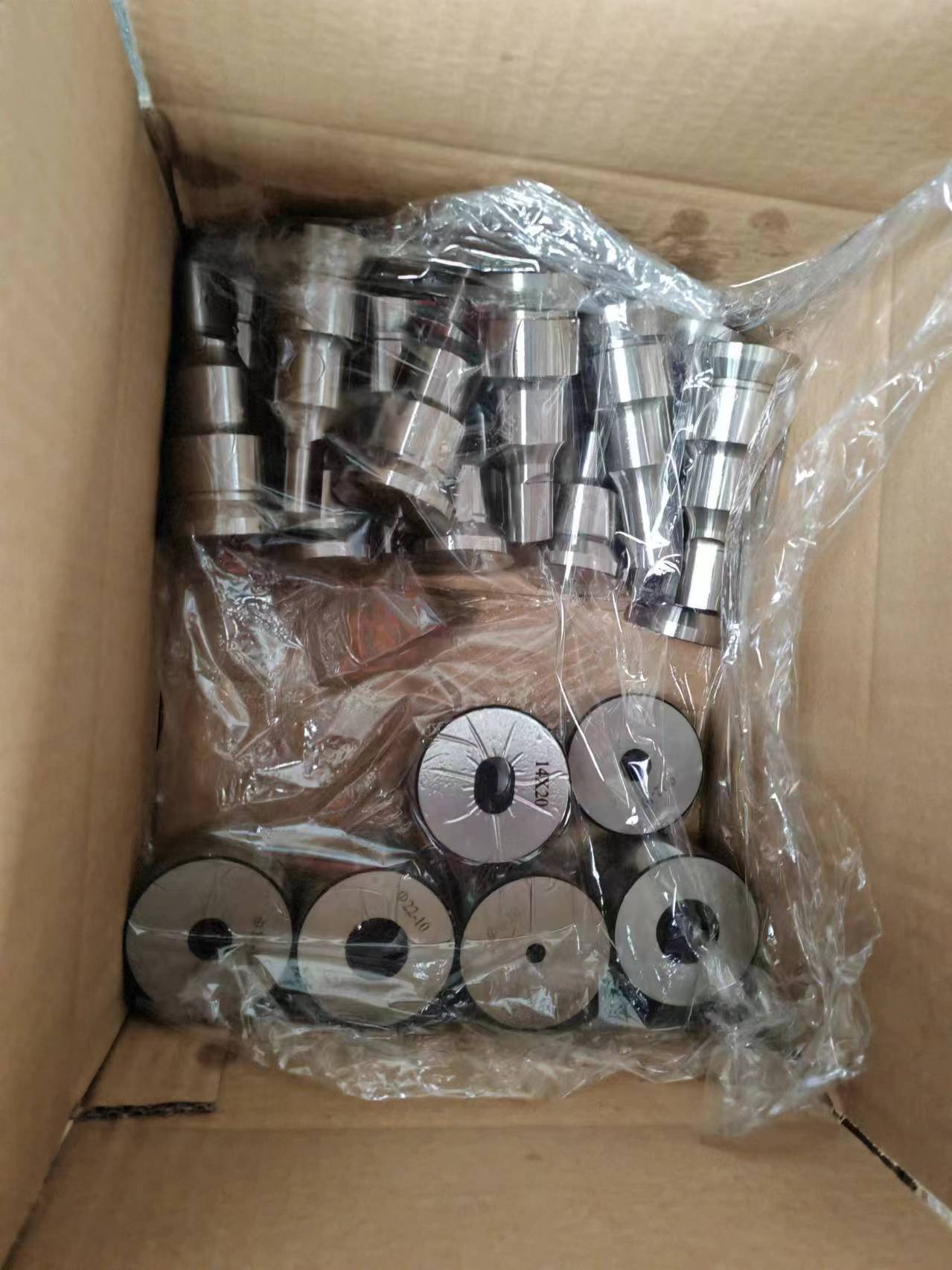
The core execution component of the punching station, used with Cr12MoV or DC53 molds to precisely penetrate various metal plates and profiles. Made via integrated forging and strengthening treatment, it inherits the uniform hardness and strong impact resistance of Cr12MoV/DC53—resistant to breakage and wear, maintaining precise punching dimensions long-term and adapting to different hole diameter requirements.


Chemical Composition (Typical): C: 1.45-1.70%, Cr: 11.00-13.00%, Mo: 0.40-0.60%, V: 0.15-0.30%, Mn: ≤0.40%, Si: ≤0.40%, P: ≤0.030%, S: ≤0.030%.
Performance & Impact: High carbon and chromium form wear-resistant chromium carbide, achieving a Rockwell hardness (HRC) of 60-64. Molybdenum boosts heat resistance, preventing softening during high-intensity punching. Vanadium refines the grain structure, balancing wear resistance and toughness. This material is highly durable, resistant to deformation, and suitable for general to heavy-duty punching tasks.
Chemical Composition (Typical): C: 1.00-1.10%, Cr: 8.00-9.00%, Mo: 2.00-2.50%, V: 0.80-1.10%, Si: 0.80-1.10%, Mn: 0.30-0.60%, P: ≤0.025%, S: ≤0.010%.
Performance & Impact: A modified version of Cr12MoV, with increased molybdenum and vanadium to eliminate brittleness. It offers uniform hardness, strong impact resistance, and excellent wear resistance. Low phosphorus and sulfur content ensures high purity and stable performance, making it perfect for high-precision, high-intensity punching of various metal plates and profiles.
Chemical Composition (Typical): C: 1.45-1.70%, Cr: 11.00-13.00%, Mo: 0.40-0.60%, V: 0.15-0.30%, Mn: ≤0.40%, Si: ≤0.40%, P: ≤0.030%, S: ≤0.030% (equivalent to Cr12MoV).
Performance & Impact: High chromium and carbon content deliver excellent wear resistance and edge retention. After precise heat treatment, it reaches HRC 58-62, ensuring clean, burr-free cuts even after thousands of shearing cycles. It withstands moderate high temperatures and is suitable for shearing carbon steel, stainless steel, and various profiles.
Chemical Composition (Typical): C: 0.32-0.45%, Cr: 4.75-5.50%, Mo: 1.10-1.75%, V: 0.80-1.20%, Si: 0.80-1.20%, Mn: 0.20-0.50%, P: ≤0.030%, S: ≤0.030%.
Performance & Impact: Exceptional heat resistance and toughness, with molybdenum and vanadium enhancing high-temperature stability and wear resistance. It maintains sharp edges even under high-intensity shearing and heat buildup, preventing edge chipping. Ideal for shearing thick plates and high-hardness materials, ensuring square, clean cuts.
Material | Applicable Working Conditions | Core Advantages | Core Disadvantages |
9CrSi | Light-duty machines, ≤5mm thin/soft materials, small-batch | Good toughness, low cost, entry-level general-purpose | Average wear resistance, not for thick/high-strength conditions |
Cr12MoV | Small-medium tonnage, ≤10mm ordinary steel/profiles, regular batch | High cost-effectiveness, wear-resistant, small deformation, strong versatility | Average high-impact resistance, not for thick/hard materials |
DC53 | Small-medium tonnage, 8-15mm medium-thick/low-alloy steel, complex profiles | High toughness, wear-resistant, stable quenching, longer service life | Slightly higher cost than Cr12MoV, upgraded pricing |
Lubrication is Key: Regularly apply specialized lubricant to punches to reduce friction and heat buildup. This protects the material properties of Cr12MoV and DC53, extending their service life.
Check Blade Clearance: For the shear station, adjust the blade gap based on material thickness. A too-wide gap causes "folding," while a too-tight gap damages the sharp edges of SKD-11 and H13 blades.
Rotate Your Blades: Many ironworker blades have 2 or 4 cutting edges. Regularly flipping them ensures even wear, doubles tooling life, and maximizes the value of SKD-11 and H13 materials.
Specifically designed for shearing functions and compatible with the equipment’s shearing station. Made of SKD-11 or H13, they efficiently cut steel plates, angle steel, channel steel, round steel, and other profiles. After precise heat treatment and precision grinding, they feature sharp, wear-resistant edges—leveraging SKD-11’s excellent wear resistance and H13’s superior heat resistance. This ensures even force distribution, clean burr-free cuts, and long-term resistance to high-intensity shearing loads, reducing blade replacement frequency.
A supporting and positioning component for the shearing station, it works in precise conjunction with blades to ensure stability and dimensional accuracy during profile shearing. Its structural design matches different profile contours, preventing material displacement and warping, ensuring consistent shearing, and adapting to various profile specifications.
Include punching dies and forming dies (made of Cr12MoV or DC53), corresponding to the equipment’s punching, bending, and forming stations. With precise cavities and high positioning accuracy, they leverage Cr12MoV/DC53’s wear resistance and toughness to enable punching of different diameters and shapes, as well as angle steel bending and channel steel forming—meeting diverse processing needs. They offer excellent compressive strength and wear resistance, ensuring stable forming and resistance to deformation and chipping.
The core execution component of the punching station, used with Cr12MoV or DC53 molds to precisely penetrate various metal plates and profiles. Made via integrated forging and strengthening treatment, it inherits the uniform hardness and strong impact resistance of Cr12MoV/DC53—resistant to breakage and wear, maintaining precise punching dimensions long-term and adapting to different hole diameter requirements.