Investing in Quality: The Ultimate Guide to Premium Ironworker Tooling
In busy metal fabrication shops, the ironworker machine is a key piece of equipment. But its performance depends entirely on its tooling. Using low-quality punches, dull blades, or poor dies hurts work quality, strains the machine’s hydraulic system, and causes more downtime. Investing in high-quality ironworker tooling is the best way to stabilize production, cut costs, and get more from your equipment.
1. Premium Materials for Durable Tooling
The right tool steel is key to long-lasting ironworker tooling. We use top-grade steels matched to different needs:
9CrSi: Budget-friendly, general-purpose option for light to medium work
Cr12MoV: Standard choice for most punching, shearing, and notching tasks
DC53: High-performance upgrade for heavy, high-volume production
D2 Steel: Keeps shear blades sharp longer, reducing tool changes
All steels resist chipping, cracking, and wear—even for thick or tough metals like A36 steel and stainless plate.
2. Precision Craftsmanship for Clean, Accurate Results
Our tooling is CNC-ground to tight tolerances for perfect punch-die alignment
Produces "bolt-ready" holes with no extra grinding needed
Minimizes workpiece damage (no distortion or rough edges)
Works for all common tasks: punching, shearing, notching, and custom jobs
3. Fits All Major Ironworker Brands
Our tooling is 100% compatible with top global brands, including:
Geka
Edwards
Piranha
Sunrise
Kingsland
No machine modifications needed—just a perfect fit, OEM-level precision, and lower costs (factory-direct pricing).
4. Full Tooling Range + Custom Options
Standard Tooling
Round Punches & Dies: For bolting and assembly
Oblong & Square Tooling: For slotting and architectural work
Shear Blades: For angle iron, flat bar, and c-channel
Notching Tools: For clean corner cuts
Custom Service
We make custom-sized tooling for unique project needs
Large inventory of standard sizes (fractional and metric)
Protective packaging + anti-rust coating for safe shipping
Fast global shipping to keep your shop running
5. How to Make Your Tooling Last Longer
Proper care extends tool life, cuts replacement costs, and reduces downtime. Follow these simple tips:
Optimize Die Clearance
Use 1/32” clearance for most materials (adjust for thickness/alloy)
Proper clearance = clean cuts, less machine strain, and longer tool life
Keep Tooling Lubricated
Check Alignment Regularly
Misalignment causes tool breakage and poor results
Inspect punch holders, die blocks, and ram alignment often
Replace Worn Tooling Early
Look for these warning signs:
Dull or chipped die edges
Material buildup on punches
Excessive burrs on holes
Strange noise/vibration during use
Inconsistent hole size/shape
Why Choose Our Tooling?
Durable: Built for heavy-duty, non-stop use
Cost-effective: Fewer replacements = less downtime and lower costs
Flexible: Standard sizes + custom options
Convenient: Universal compatibility and fast shipping
Don’t let poor tooling slow down your shop. Upgrade to our high-performance ironworker tooling today—and see the difference in every cut and punch.
Material recommendations for ironworker tooling
Material | Applicable Working Conditions | Core Advantages | Core Disadvantages |
9CrSi | Light-duty machines, ≤5mm thin/soft materials, small-batch | Good toughness, low cost, entry-level general-purpose | Average wear resistance, not for thick/high-strength conditions |
Cr12MoV | Small-medium tonnage, ≤10mm ordinary steel/profiles, regular batch | High cost-effectiveness, wear-resistant, small deformation, strong versatility | Average high-impact resistance, not for thick/hard materials |
DC53 | Small-medium tonnage, 8-15mm medium-thick/low-alloy steel, complex profiles | High toughness, wear-resistant, stable quenching, longer service life | Slightly higher cost than Cr12MoV, upgraded pricing |
Ironworker tooling drawing
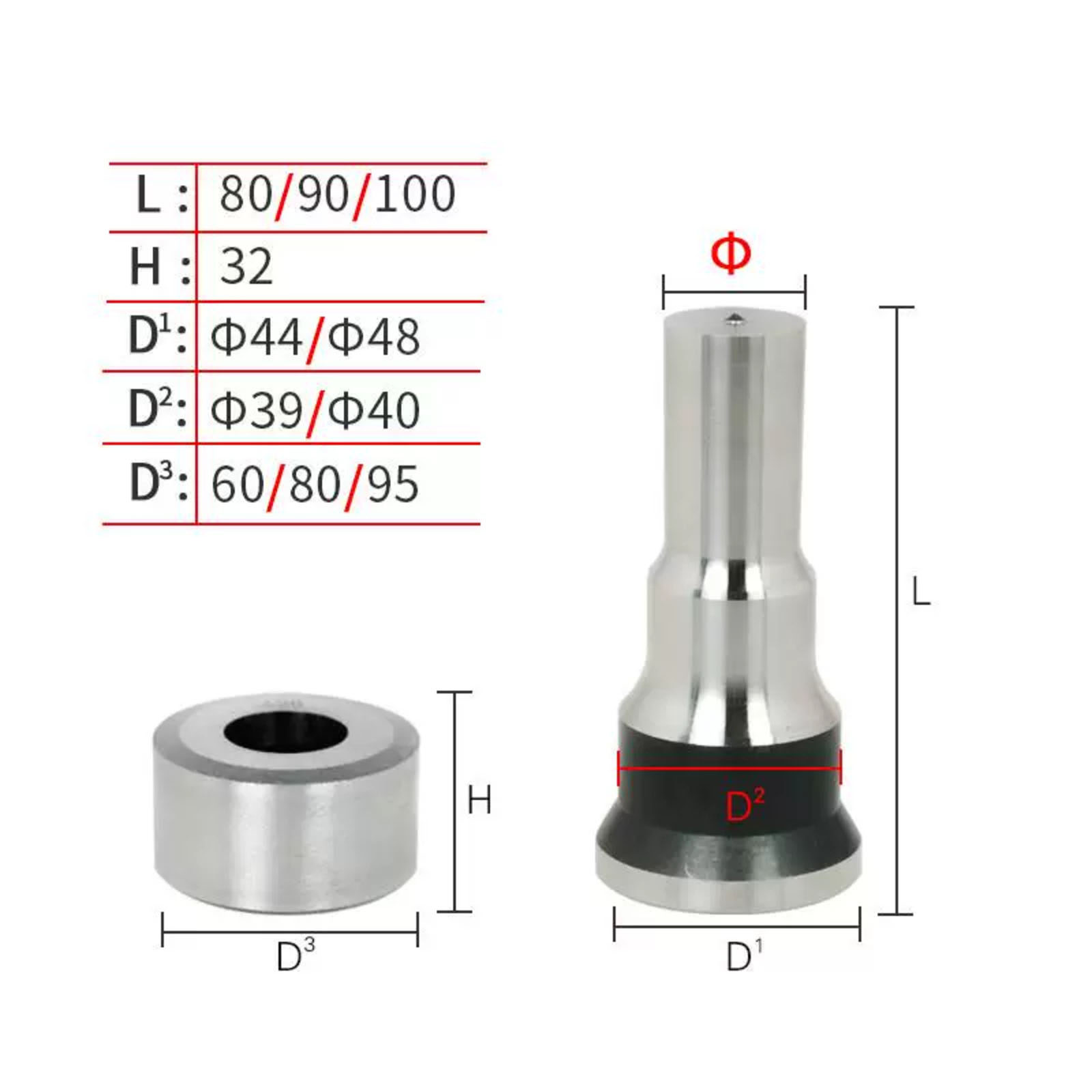
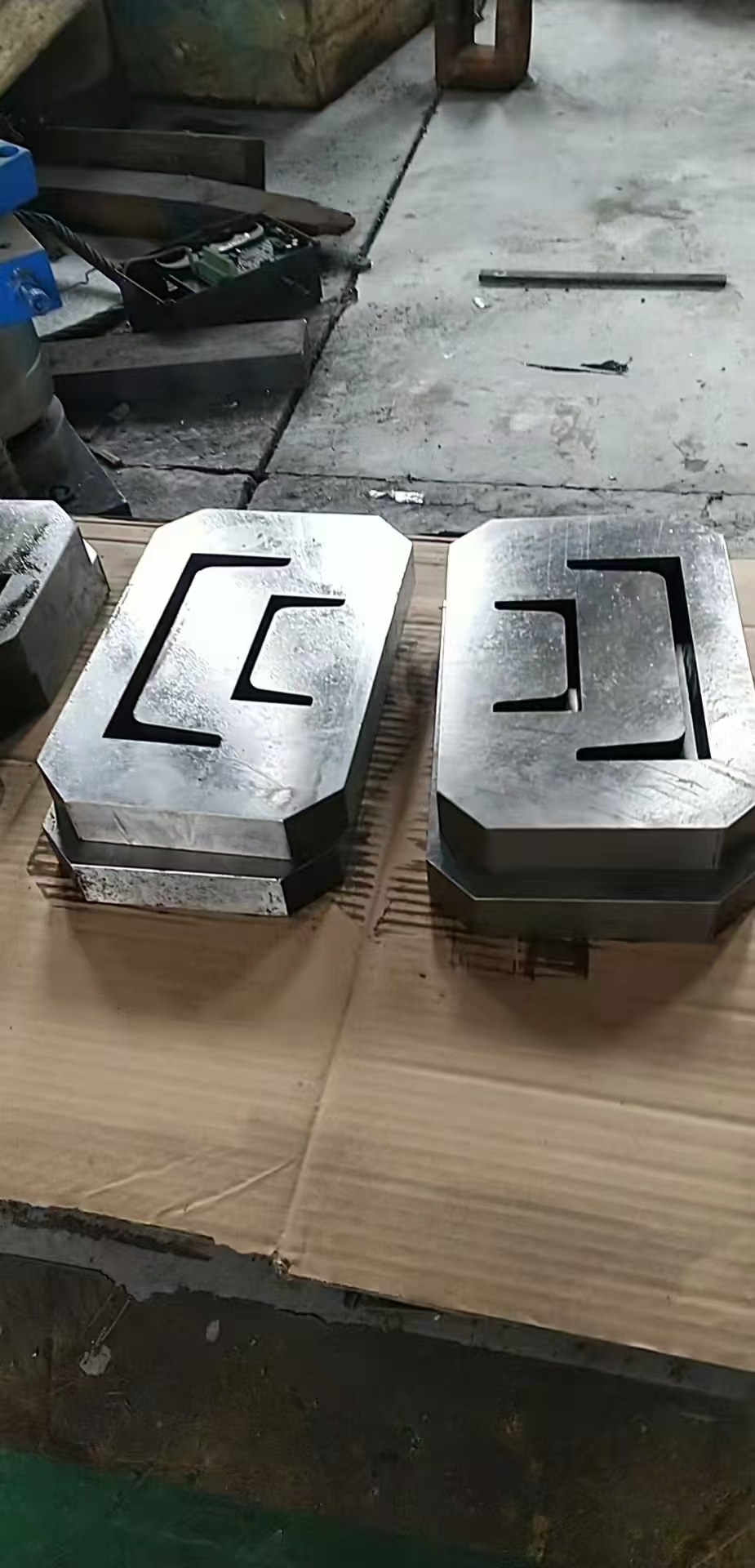
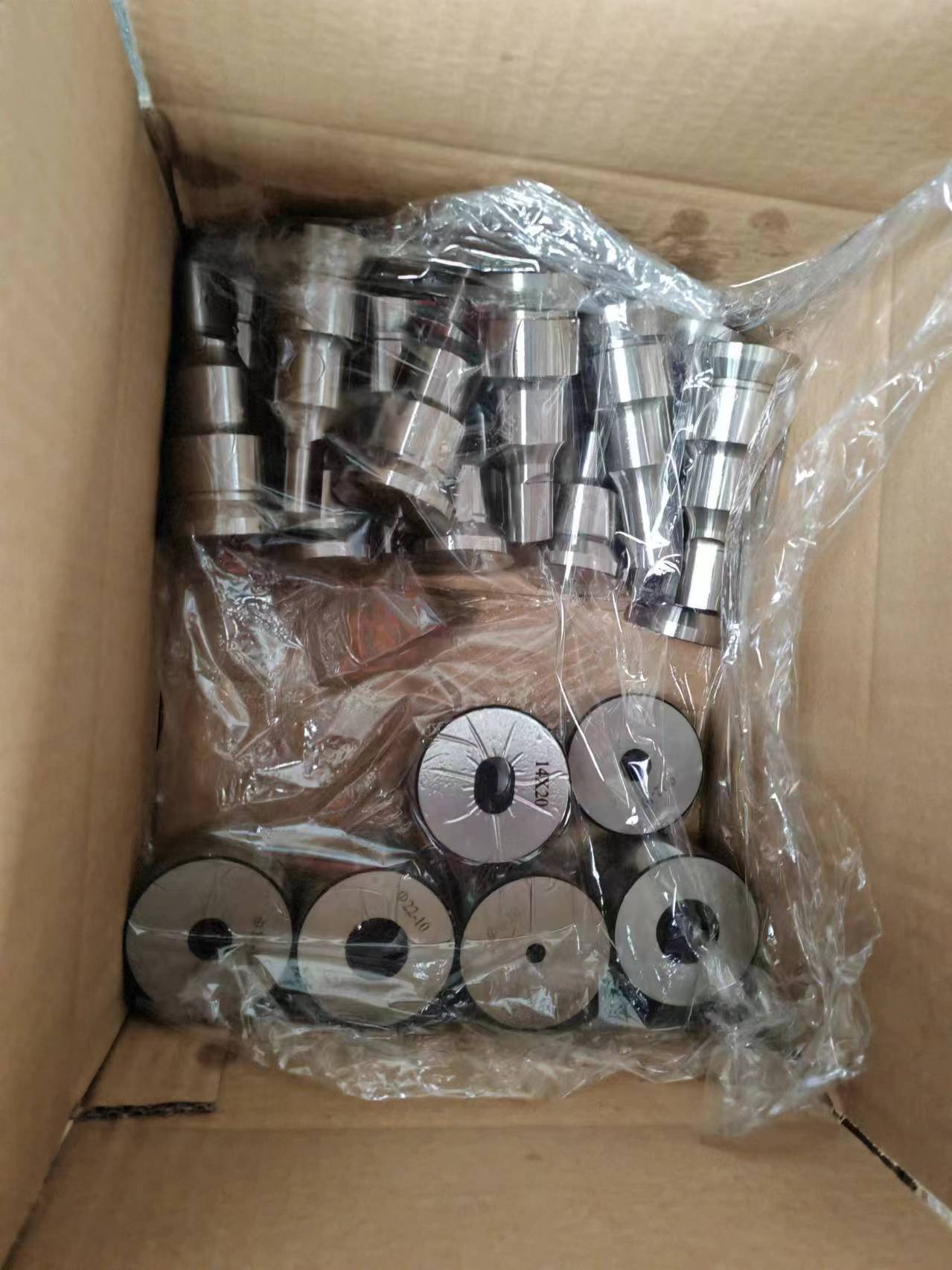
Global Supply: Comprehensive Ironworker Tooling & Custom Solutions
We provide high-performance Ironworker Tooling (Material: 9Crsi, Cr12MoV, H13) optimized for hydraulic ironworking machines. Our catalog includes precision punches, dies, shear blades, and notching tools designed for maximum impact resistance. Perfectly compatible with major brands (Piranha, Geka, Sunrise, Kingsland) for accurate metal fabrication.
Core Market Sourcing Index:
English: Ironworker Tooling | Punch and Die Sets
French (Français): Outillage pour poinçonneuse | Jeux de poinçonnage
Portuguese (Português): Ferramental para puncionadeira | Conjuntos de punção e matriz
Polish (Polski): Narzędzia do wykrawarek | Zestawy stempli i matryc
Turkish (Türkçe): Kombine Makas Takımları | Zımba ve Matris Setleri
Vietnamese (Tiếng Việt): Phụ tùng máy đột dập | Bộ chày cối đột lỗ
Thai (ภาษาไทย): เครื่องมือเครื่องเจาะเหล็ก | ชุดแม่พิมพ์เจาะรู
Filipino: Mga Tooling para sa Ironworker | Mga Set ng Punch at Die
Arabic (العربية): أدوات ماكينة قص وتثقيب الحديد | أطقم السنابك والقوالب
Hindi (हिन्दी): आयरनवर्कर टูลिंग | पंच और डाई सेट
Indonesian (Bahasa Indonesia): Perkakas Mesin Ironworker | Set Matriks Pelubang
Malay (Bahasa Melayu): Perkakas Mesin Ironworker | Set Acuan Penebuk
Dutch (Nederlands): Ponsgereedschappen | Pons- en matrijssets
Swedish (Svenska): Verktyg för järnarbetare | Stansverktygssatser
Hungarian (Magyar): Fémmegmunkáló szerszámok | Lyukasztó készletek
Greek (Ελληνικά): Εργαλεία για μηχανές κοπής | Σετ διάτρησης
Czech (Čeština): Nástroje pro děrovačky | Sady střižných nástrojů
Romanian (Română): Scule pentru mașini de debitat | Seturi de perforare
Ukrainian (Українська): Інструменти для пробивання | Набори для вирубки
Azerbaijani (Azərbaycan dili): Metal kəsən maşın alətləri | Puns və matris dəstləri
Hebrew (עברית): כלי עבודה למכונת ניקוב | סטים של פאנץ' ומטריצה


