Premium Rebar Cutter Blades: Simple Guide to Stop Chipping & Cut Costs
Overview: Why Good Rebar Cutter Blades Matter
In construction and rebar processing work, rebar cutter blades directly impact your working speed, cutting quality and overall profits. Many construction teams opt for low-cost blades to save upfront budget, yet these inferior parts always lead to extra losses in actual operation.
Typical problems caused by poor-quality rebar cutting machine blades and hydraulic rebar shear blades:
Frequent work stoppages due to dull or broken blades
Rough, uneven cuts that fail construction acceptance standards
Accelerated wear and damage to high-cost hydraulic equipment
Delayed project progress and higher replacement & maintenance expenses
High-quality rebar cutter blades effectively resist chipping and deformation under continuous heavy cutting loads. They greatly reduce replacement frequency, shipping costs and overall on-site operating expenses for your projects.
1. Strong Machine Compatibility & Durable Blade Design
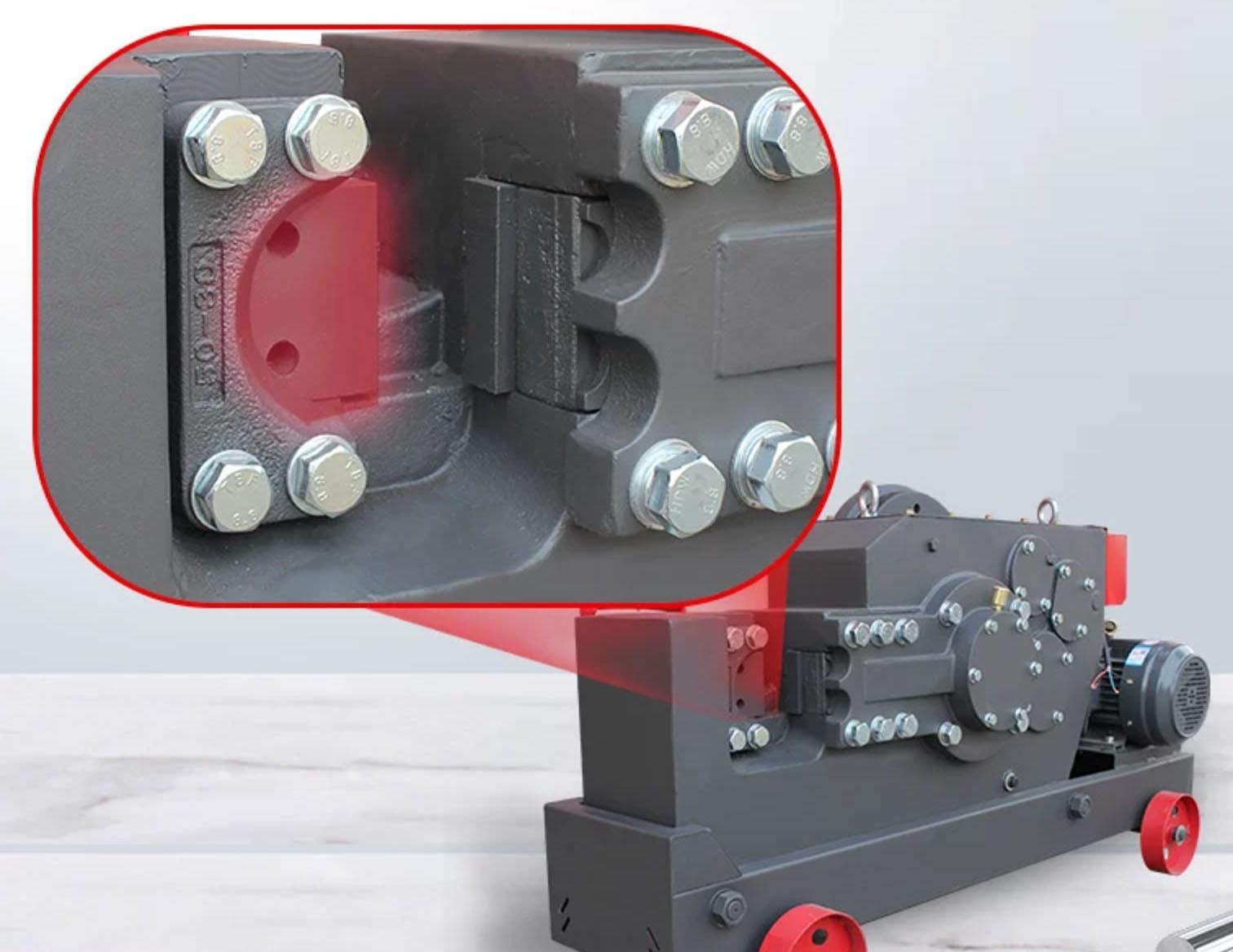
Our premium hydraulic rebar shear blades and universal fit rebar cutting tool dies are manufactured strictly to OEM standard sizes. They fit most mainstream rebar cutting machines perfectly without any on-site modification.
Compatible equipment types:
GMS Göçmaksan, ADEMSAN MAKİNE, Pedax & TAEYEON MACHINERY heavy-duty hydraulic shears for large infrastructure projects
ERC series electric rebar cutters for residential and commercial building works
Two practical blade types for different scenarios:
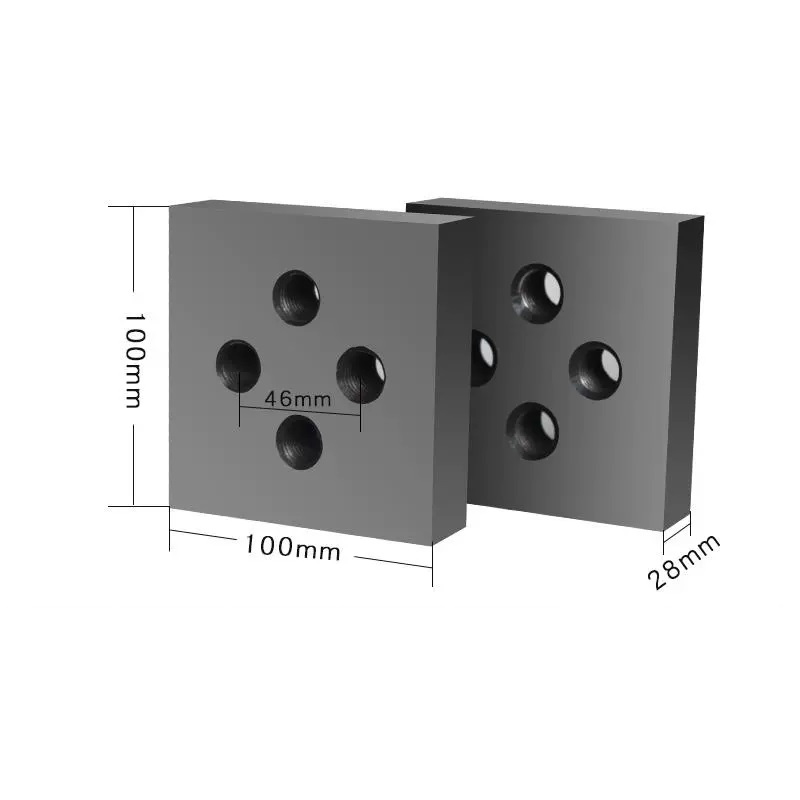
Square blades: Equipped with 4 usable cutting edges. Simply rotate the blade 90 degrees after one edge wears out to reuse it, extending the service life by 4 times. Ideal for mass cutting and works as heavy duty infrastructure shear knives
Rectangular blades: Features 1 to 2 cutting edges, suitable for small-tonnage machines and light daily cutting tasks
2. Blade Material Comparison (Select Based on Actual Working Conditions)
Blade material determines the hardness, toughness and wear resistance of rebar cutting machine blades. We sorted the three most practical and widely used materials for your reference.
H13 Steel (First Choice for Heavy-Duty Cutting)
Equivalent grade: SKD61 / 1.2344
Hardness: HRC 48–54
Core advantages:
Well-balanced strength and toughness, not easy to chip or crack
Excellent heat resistance and impact resistance
Stable performance for long-time, high-intensity continuous cutting
Applicable scenarios: Perfect for cutting high-strength ribbed rebar like HRB500E, large-scale infrastructure projects, and high-load hydraulic rebar shear blades applications
Chemical Composition: C: 0.32–0.45%, Cr: 4.75–5.50%, Mo: 1.10–1.75%, Si: 0.80–1.20%, Mn: 0.20–0.60%, V: 0.80–1.20%, P & S ≤ 0.030%, balance Fe
Cr12MoV Steel (High Hardness, for Low-Impact Cutting)
Equivalent grade: SKD11 / 1.2601
Hardness: HRC 61–64
Core advantages:
Ultra-high hardness with outstanding wear resistance
Great compression and bending resistance
Lower toughness than H13 steel, not fit for frequent high-impact cutting
Applicable scenarios: Suitable for high-hardness cold-rolled rebar and ordinary round steel under low-impact cutting conditions
Chemical Composition: C: 1.45–1.70%, Cr: 11.00–12.50%, Mo: 0.40–0.60%, V: 0.15–0.30%, Si & Mn ≤ 0.40%, P & S ≤ 0.030%, balance Fe
9CrSi Steel (Cost-Effective for Regular Projects)
Equivalent grade: 1.2108
Hardness: HRC 60–62
Core advantages:
Low cost and easy to install
Reliable hardness and wear resistance for daily use
Stable toughness to meet regular light cutting demands
Applicable scenarios: Ideal for small and medium construction sites, used for cutting low and medium-strength smooth round steel
Chemical Composition: C: 0.85–0.95%, Si: 1.20–1.60%, Cr: 0.95–1.25%, Mn: 0.30–0.60%, P & S ≤ 0.030%, balance Fe
3. Size & Machine Tonnage Matching Guide
Blade dimensions must match your cutting machine’s tonnage exactly. Mismatched sizes will cause blade vibration, poor cutting results and even machine damage. We provide full-size standard rebar cutter blades for mainstream devices.
Hot-selling models: GQ40 GQ50 bar cropper blades, heavy-duty GQ60 series blades
Field installation tip:
Set the blade gap clearance to around 10% of the rebar diameter
This setting ensures clean cuts, reduces hydraulic load and protects machine parts from premature wear
Available specifications:
Standard OEM sizes: 78x78x17mm, 80x80x30mm and more
Custom non-standarduniversal fit rebar cutting tool dies based on customer drawings
4. Fast Material Selection by Rebar Type
Ordinary low/medium-strength round steel: Adopt 9CrSi or Cr12MoV blades to balance cutting quality and procurement cost
High-strength ribbed rebar: Choose H13-grade hydraulic rebar shear blades. Its excellent toughness effectively avoids edge chipping during heavy shearing work
5. Production Standards & Custom Blade Service
All our premium rebar cutting machine blades adopt two professional production processes to guarantee stable and reliable quality:
Full precision grinding to ensure smooth and uniform blade surface
Vacuum heat treatment for consistent overall hardness, eliminating internal stress and soft spots
These mature processes make our blades sharper, more durable, and greatly reduce the risk of chipping and fracture during operation.
We also offer customized blades for high-strength rebar cutting scenarios, solving the common brittle fracture issue of ordinary blades. As a direct factory supplier, we skip middlemen links to help customers lower cost-per-cut significantly.
6. Actual Benefits of Premium Rebar Cutter Blades
Low-cost blades look economical at first, but they bring huge hidden costs in long-term use. Upgrading to premium rebar cutter blades brings tangible benefits:
Fewer blade replacements and reduced production downtime
No secondary damage to expensive hydraulic cutting equipment
Stable clean, fast and accurate cutting results every time
Lower long-term operation and maintenance costs
For construction contractors and rebar processing factories, high-quality hydraulic rebar shear blades and heavy duty infrastructure shear knives are cost-effective investments. They secure on-site safety, improve working efficiency and stabilize your project profits.