86-15852949220      mt@alasmachinery.com
NANJING ALAS INTERNATIONAL CO., LTD
You are here: Home » Products » Rebar Blade » Custom Rebar Bending Machine Dies (Roller Sleeves, Pins & Bushings)

Product Category

Contact Us

loading

Share to:
sharethis sharing button

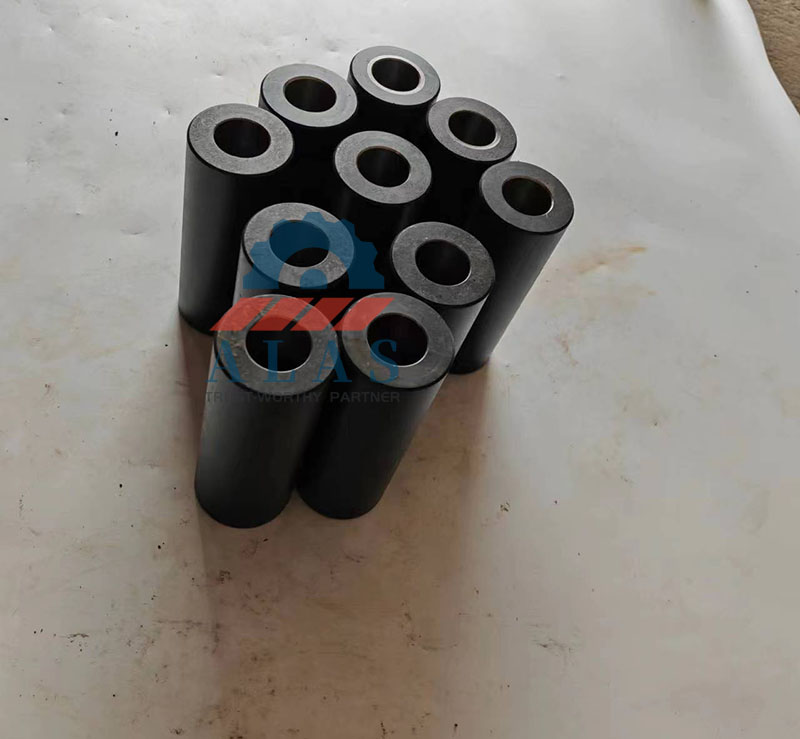
Custom Rebar Bending Machine Dies (Roller Sleeves, Pins & Bushings)

Premium Tooling for Steady Rebar Fabrication
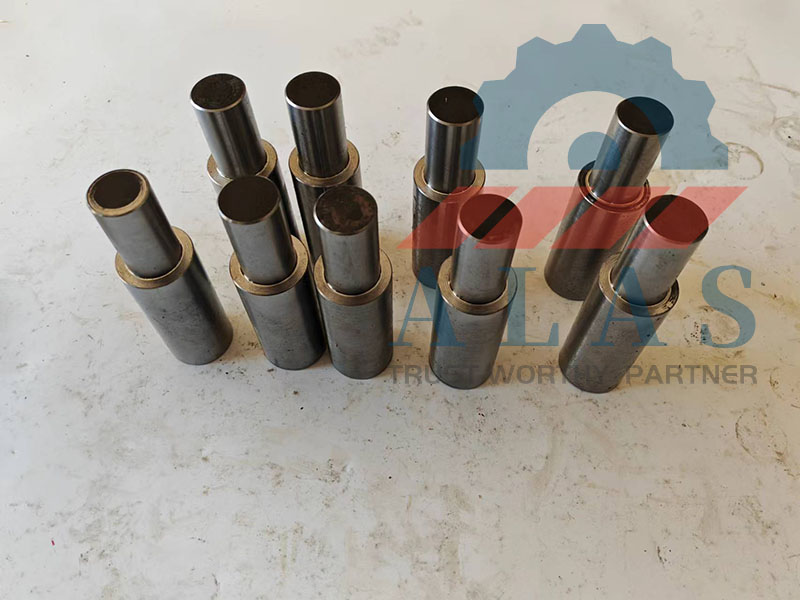
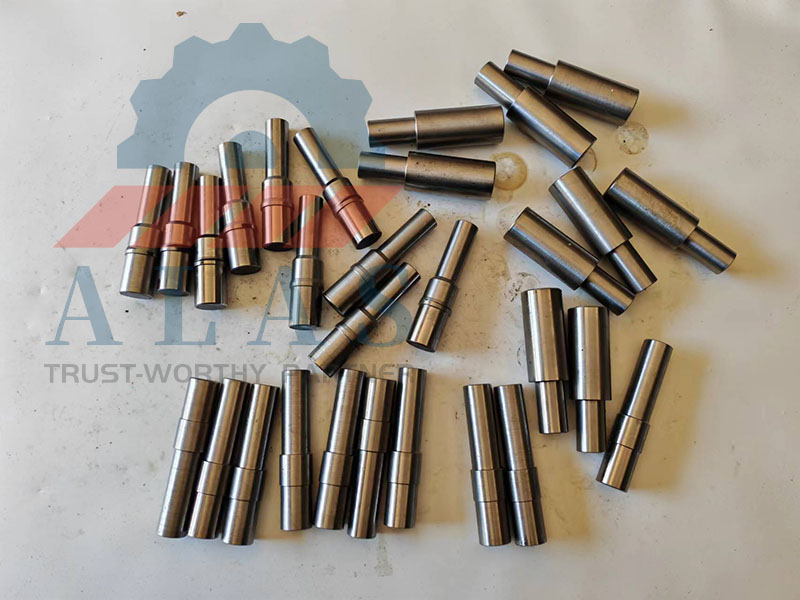
Our custom dies fit rebar bending machines well, boosting service life and machining accuracy for steel bar processing. Built to handle heavy industrial operations, roller sleeves, pins and bushings feature optimized structural design. They effectively prevent bar slipping, restrain spring back and minimize tiny cracks during fast bending work.
Suitable for regular mechanical benders and high-precision CNC processing equipment alike. We supply perfectly matched replacement parts made strictly in line with your actual technical requirements.
Availability:
Quantity:

FAQ – Custom Rebar Bending Machine Dies, Roller Sleeves, Pins & Bushings

Q1: What materials are your bending dies and parts made of?

A: We adopt high-quality industrial steel for production. Our roller sleeves are made of Cr12MoV steel with vacuum hardening, reaching HRC 45-55 hardness, which delivers great wear resistance for rebar bending work. Pins and bushings are produced with 40Cr steel, featuring high toughness to avoid breakage under heavy rebar processing loads. Conventional standard dies for bar bending are made of 45# steel for stable performance.

Q2: Can you customize sizes and shapes?

A: Yes, fully customizable. We can adjust the diameter, length, curve shape and mounting hole size of dies, roller sleeves, pins and bushings to meet various rebar and bar bending demands. You only need to provide your product drawings or physical samples for customization.

Q3: What types of rebar do your parts fit?

A: Our dies, roller sleeves, pins and bushings are universally applicable for common steel materials, including HRB400, HRB500, plain round steel and deformed rebar and bar.

Q4: Do these parts fit most bending machines?

A: Absolutely. Our dies, roller sleeves, pins and bushings fit most mainstream standard rebar bending machines. We also produce precise replacement parts for various branded CNC bar bending equipment.

Q5: What surface treatments do you provide?

A: We provide complete surface treatment services for all dies, roller sleeves, pins and bushings, including hardening, high-frequency hardening, polishing and anti-rust coating. These treatments effectively extend the service life during long-term rebar and bar bending work.

Q6: Can you help with technical drawings?

A: Yes, we offer professional drawing support. We can design and modify drawings for dies, roller sleeves, pins and bushings according to your actual machine parameters and rebar bending requirements.

Q7: What information do you need for a custom quote?

A: To get an accurate and quick quote for custom dies, roller sleeves, pins and bushings for rebar bending, please send us your machine brand and model, shaft size, applicable rebar and bar diameter range, as well as clear product photos, sketches or CAD files. You can also tell us your preferred material and order quantity.

Q8: What is your MOQ?

A: We support flexible ordering for all dies, roller sleeves, pins and bushings used in rebar processing. Both small trial orders and large bulk orders are welcome.

Q9: How long is the delivery time?

A: Delivery time varies by product type. Standard dies, roller sleeves, pins and bushings can be shipped in 10–15 working days. Custom rebar bending parts take 15–25 working days, based on product complexity and order quantity.

Rebar Bender Roller Dies: Definition, Specifications, and Maintenance

Rebar Bender Roller Dies are key parts of rebar processing machines. They affect:    Rebar bending accuracyFinished product qualityMachine efficiency
They use the three-point bending principle to bend rebar into shapes like stirrups and beam reinforcement. They work with most semi-automatic and fully automatic CNC rebar bending machines. Key points for use:    Control Springback (rebound)Ensure Consistent bend radiiResist Structural fatigue during long-term use

1. Definition and Principle

1.1 Definition

Rebar Bender Roller Dies are special molds on a rebar bending machine’s working disc. They have three main parts: Central rollerMovable rollerPositioning roller
These three parts work together to bend rebar precisely. They control springback to keep consistent bend radii. You can change rollers to fit different rebar sizes.
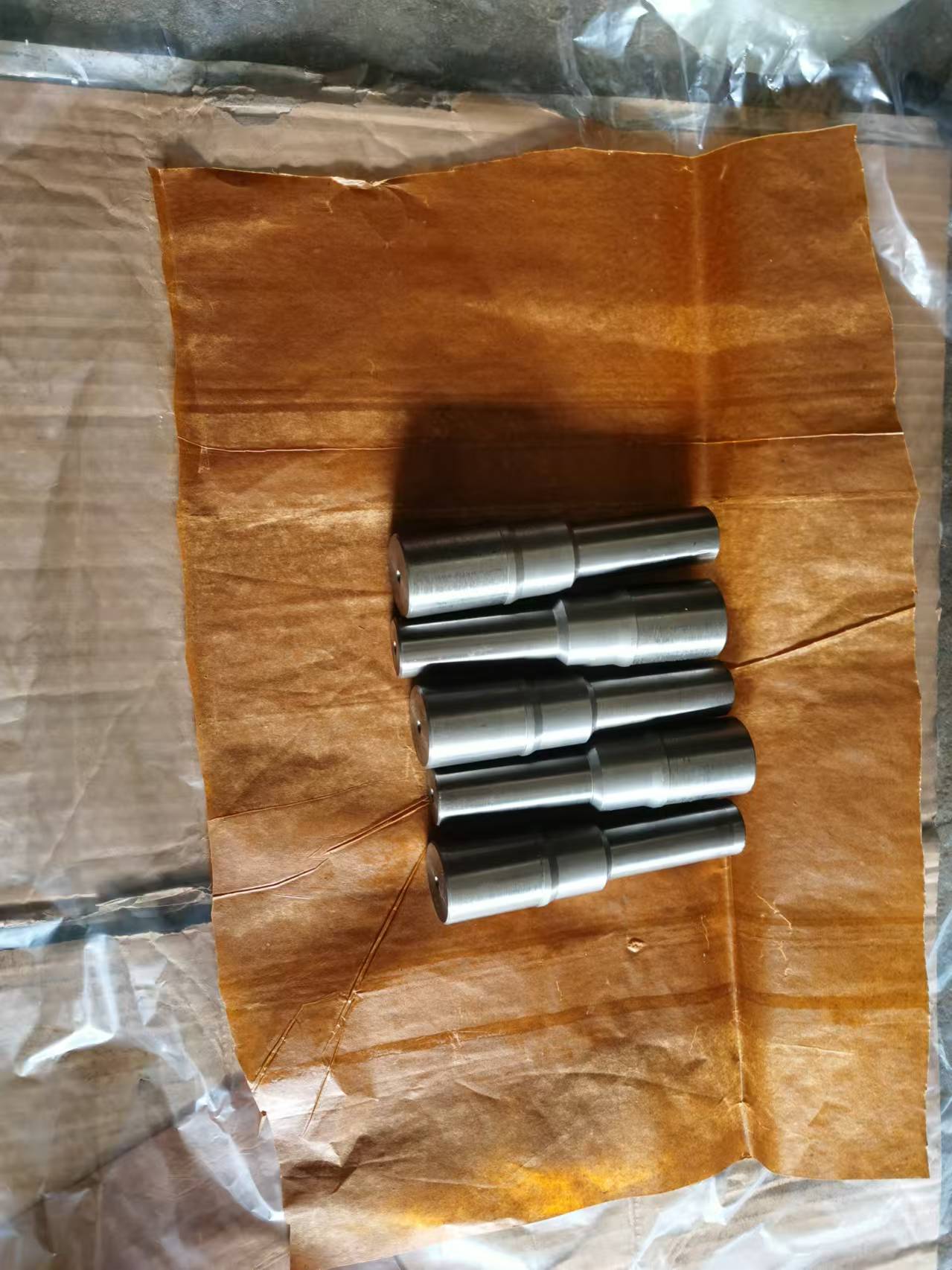
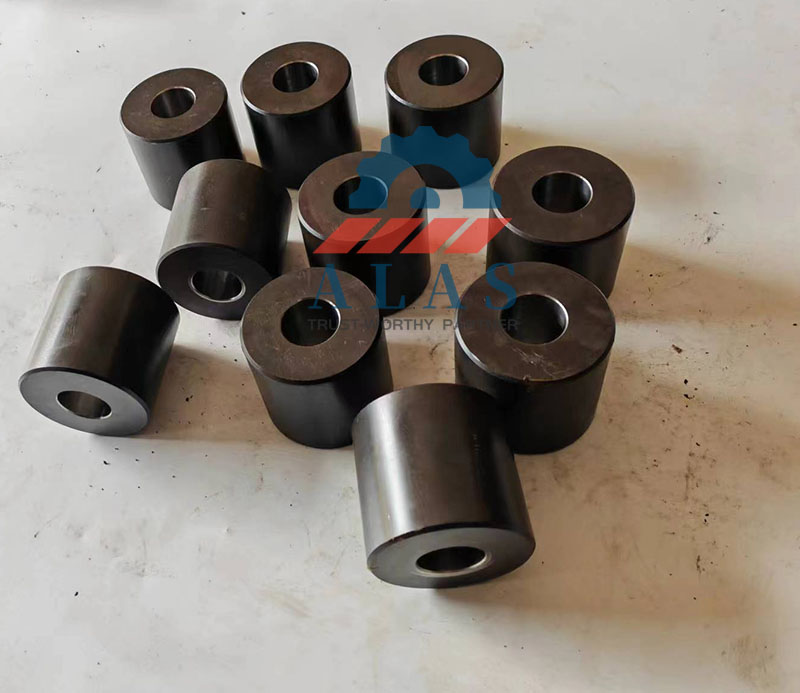
Supporting parts (ensure stability and reduce structural fatigue):   Pin shaft: 45# steel and 40CrSleeve: Cr12MoV

1.2 Working Principle

The dies use the three-point bending principle:    Clamp rebar between the central and positioning rollers (fixed points).The machine moves the movable roller to apply even bending pressure.Rebar bends around the central roller (plastic deformation).Rebar springs back after bending—dies are designed to compensate for this.
Key adjustments: Change central roller diameter to adjust bending radius (for consistent bend radii).Adjust the working disc’s rotation angle to control bending angle (0-180° stepless adjustment).
Pin shafts (45# steel, 40Cr) and sleeves (Cr12MoV) bear bending force and reduce structural fatigue.

2. Main Specifications

2.1 Classification by Function

  • Central roller: Fixed at the center, determines minimum bending radius, ensures consistent bend radii.

  • Movable roller: Applies bending force, adjusts position to control angle and compensate for springback.

  • Positioning roller: Supports rebar, prevents displacement/warping during bending.

Pin shafts and sleeves help these rollers work stably and resist structural fatigue.

2.2 Classification by Rebar Size

  • Small: For 6-16mm rebar (stirrups, small precast parts).

  • Medium: For 18-28mm rebar (main structure, beams/slabs).

  • Large: For 32-50mm rebar (columns, shear walls).

  • Special: Custom for irregular rebar, high-strength steel. Supporting parts are also customized to reduce structural fatigue.

2.3 Core Parameters

  • Roller diameter: 25-120mm (1.5-5x the rebar diameter) – affects bending radius and consistent bend radii.

  • Roller width: 15-50mm – determined by rebar size and quantity per bend; wider = more stable, less springback.

  • Shaft hole diameter: 16-40mm – matches machine disc and pin shaft; ensures stability, reduces structural fatigue.

Sleeves (Cr12MoV) match shaft holes and pin shafts for better stability.

3. Material and Manufacturing

3.1 Common Materials

  • Rollers: Cr12MoV (high hardness, wear resistance, stability) – good for regular and medium-strength rebar.

  • Pin shaft: 45# steel (tough, easy to machine) or 40Cr (higher strength, wear resistance for heavy loads).

  • Sleeve: Cr12MoV (matches rollers, reduces friction and structural fatigue).

Materials affect wear resistance, impact resistance, and ability to resist structural fatigue and control springback.

3.2 Key Manufacturing Processes

  • Precision forging: Makes metal structure dense; improves strength, resists fracture and structural fatigue.

  • Vacuum heat treatment: Ensures hardness, avoids deformation, maintains accuracy (critical for springback control and consistent bend radii).

  • Precision grinding: Finishes parts; tolerance ±0.02mm for rollers, pin shafts, and sleeves – ensures accuracy.

4. Applications and Purchasing

4.1 Application Scenarios

  • Building construction: Bend rebar for beams, columns, slabs; needs consistent bend radii and springback control.

  • Bridge engineering: Precise bending for prestressed/rebar; needs structural fatigue resistance.

  • Tunnel engineering: Bend rebar for arches and grid frames.

  • Rebar processing plants: Mass-produce standard rebar parts; ensures efficiency and consistent bend radii.

  • Precast factories: Process rebar for precast beams/slabs; ensures standardization.

Pin shafts and sleeves ensure stability and reduce structural fatigue in all scenarios.

4.2 Purchasing Tips

  • Match the die to your bending machine (check shaft hole and installation method) – ensures stability, reduces structural fatigue.

  • Choose the right roller size for your rebar (max/min diameter) – ensures consistent bend radii and springback control.

  • Pick materials based on use: Cr12MoV for rollers/sleeves; 45# steel/40Cr for pin shafts (based on load).

  • Check manufacturing precision (tolerance) – critical for accuracy.

5. Maintenance and Life Extension

5.1 Daily Maintenance

  • Before use: Check rollers, pin shafts, and sleeves for secure installation; clean rebar fragments/rust.

  • During use: Follow size limits; avoid overloading (prevents deformation and excess structural fatigue).

  • After use: Clean parts; apply anti-rust oil to shaft holes, pin shafts, and mating surfaces (prevents rust and wear).

5.2 Regular Maintenance

For batch processing, check weekly:    Disassemble and clean rollers, pin shafts, and sleeves; check for wear, cracks, or deformation (these cause more springback, inconsistent radii, and structural fatigue).Lubricate parts and replace old lubricant.Polish minor wear on roller grooves.Store parts in a dry, ventilated place (prevents moisture damage).

5.3 Repair and Replacement Standards

  • Repair: Polishing/welding for slight wear/scratches (no effect on size or structure).

  • Replace: Severe wear, cracks, deformation, or misalignment (causes structural fatigue and poor springback control).

  • Full replacement: For broken/deformed molds – use original manufacturer parts (including pin shafts/sleeves) for compatibility.

central-bending-bushing-precision-groundheavy-duty-rebar-forming-sleevescustomized-bending-pin-sleeves-according-to-drawingsrebar-bending-pins-complete-set-various-sizes

微信图片_20250104142221微信图片_20250104142224

包装

Previous: 
Next: 
200
Phone:
86-15852949220
Address:
Jiangning District, Nanjing
About Us

Nanjing Alas International Co., Ltd. is a professional industrial tooling manufacturer focused on shear blades, bending dies, shredder blades, and custom wear parts. We offer full application engineering, material selection, setup guidance, and after-sales support to global customers.
Tell us your requirements, and our engineering team will provide professional solutions for blade specification, tool life optimization, and cost-effective production.

Subscribe
Sign up for our newsletter to receive the latest news.
​Copyright 2021 NANJING ALAS INTERNATIONAL CO., LTD            苏ICP备2021025144号