


Phone:
86-15852949220


 |


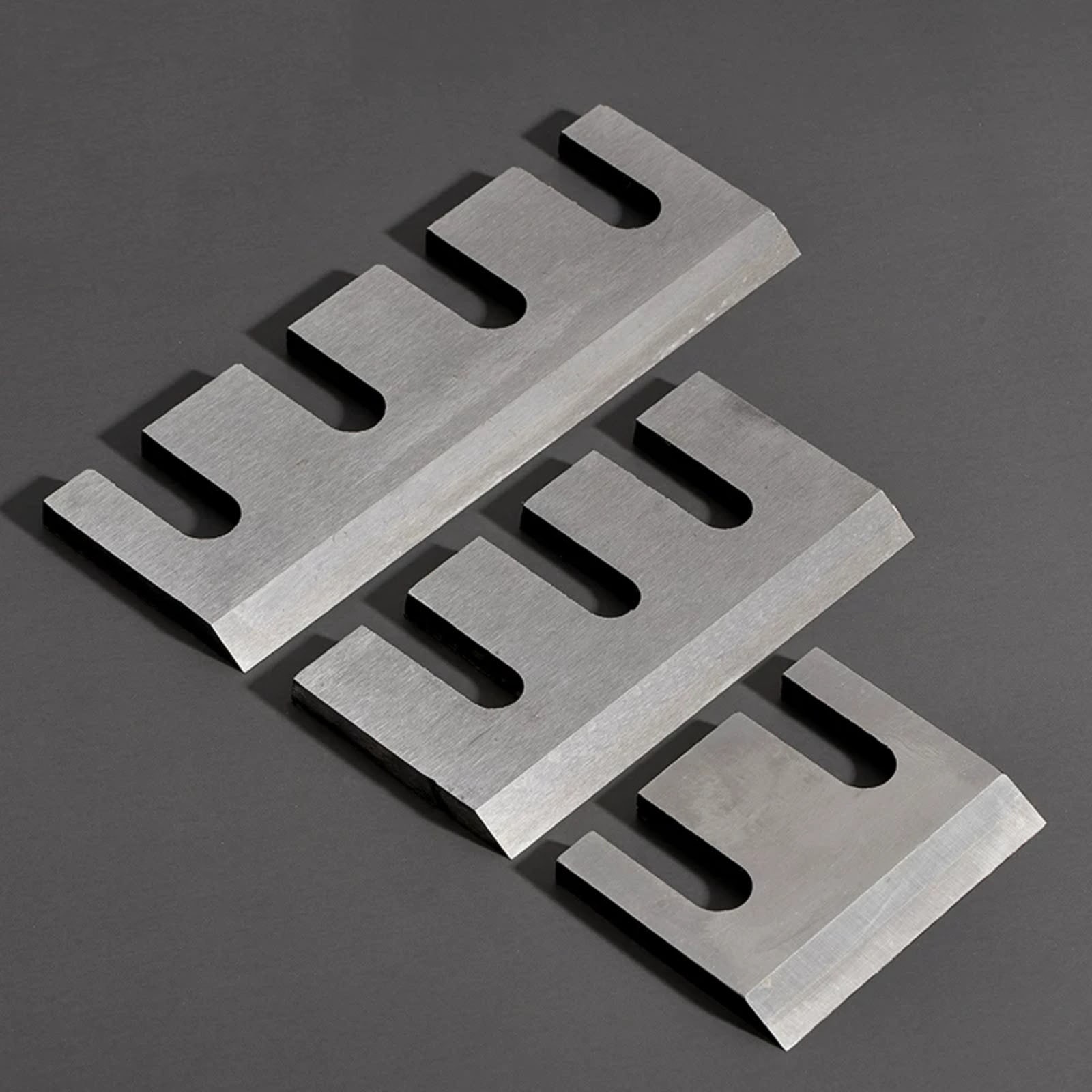

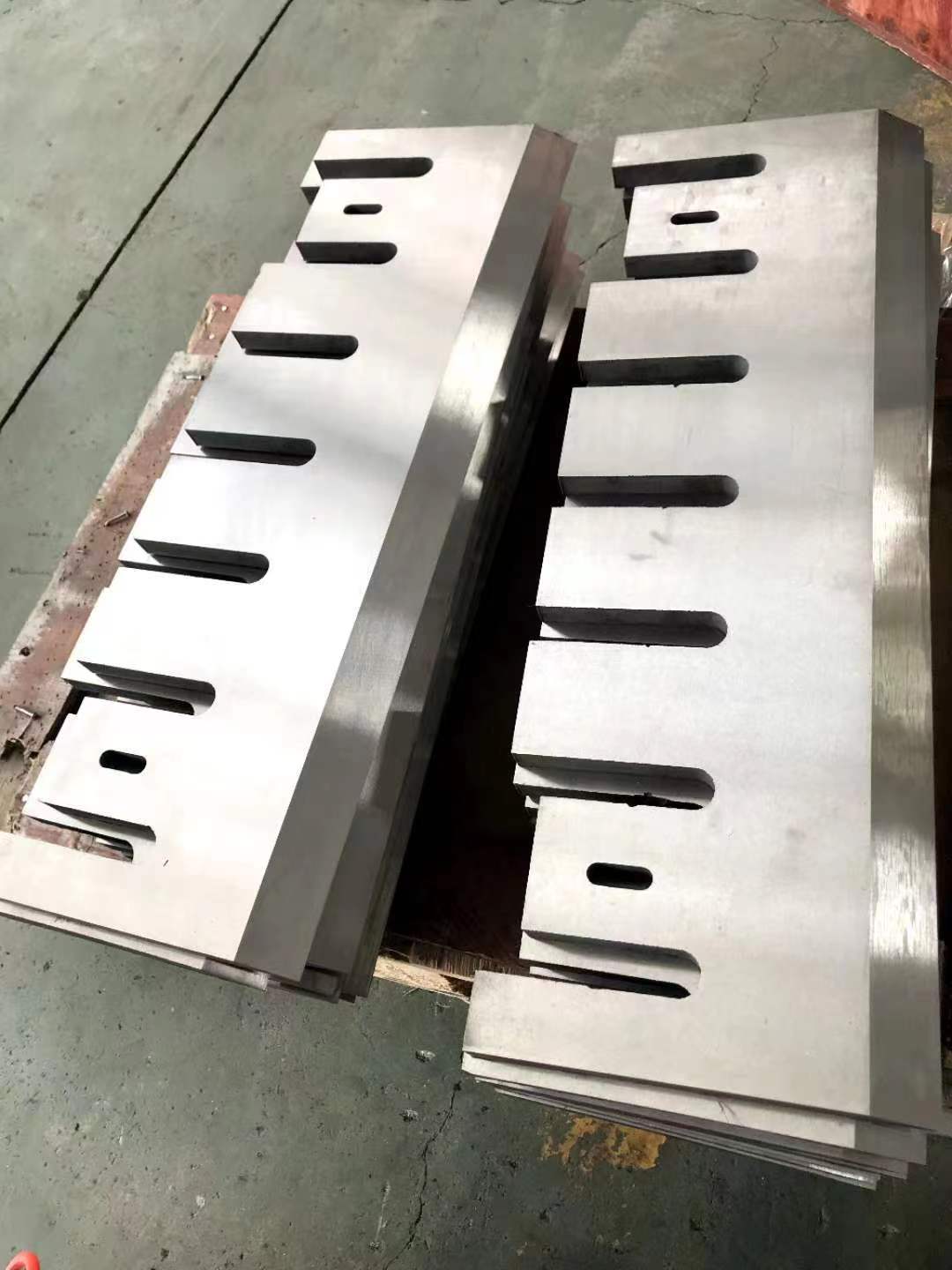


There is no optimal material for chipper blades. It is mainly closely related to the type of processed wood, equipment model, and actual working conditions. Tool steel/alloy steel, high-carbon high-chromium tool steel, and cemented carbide are the three mainstream materials in production. Different materials have their own advantages and disadvantages in hardness, wear resistance, toughness, and cost. The following are some industry suggestions for everyone's material selection;
The three major materials of chipper blades each have their own merits;
Material | Grade | Characteristics | Application |
Tool Steel/Alloy Steel | A8/A8B | High hardness, high wear resistance, excellent toughness; meets standards through professional heat treatment, with the best balance between performance and cost, suitable for most conventional production scenarios | Core components such as fly knives, bottom knives, and pressure knife plates of chippers; the mainstream general choice in the industry |
High-Carbon High-Chromium Tool Steel | D2 , H12, SKD11 | Wear resistance is far superior to ordinary alloy steel, strong impact resistance; service life is greatly improved under harsh working conditions, with better comprehensive performance, suitable for high-intensity production | High-quality chipper blades, core cutting components of heavy-duty industrial chippers |
Cemented Carbide | Tungsten carbide-based (such as YG series) | Ultra-high hardness and extreme wear resistance; disadvantages are high brittleness, high processing difficulty, and high procurement cost, suitable for special and complex raw material processing | Special for flaker blades; or processing raw materials containing impurities such as knots, sand, and metal foreign objects |
The selection of chipper blade materials needs to be comprehensively judged based on actual production, mainly focusing on three dimensions: processed raw materials, equipment and working conditions, and performance and cost, so as to avoid problems such as fast blade wear, poor adaptability, and waste of production costs caused by single-index selection.
1. Pure wood raw materials (impurity-free logs, veneers, branches such as pine, poplar, cedar): Prioritize ordinary alloy steels such as A8 and A8B, which have the highest cost performance. Their hardness and wear resistance fully meet the requirements of conventional cutting, and they are suitable for most wood processing scenarios;
2. Raw materials containing impurities (recycled wood, low-grade firewood, mixed wood raw materials containing sand, knots, and metal debris): High-carbon high-chromium steels such as D2 steel and SKD11 are required. If the impurity content is extremely high and the processing conditions are complex, cemented carbide can be considered. The focus is on ensuring the wear resistance and impact resistance of the blade, reducing chipping and wear.
1. Large-scale industrial chippers (24-hour continuous production, high-load operation, large-scale processing): Prioritize high-carbon high-chromium tool steels such as D2 and H12. Such materials have long service life and high reliability, which can reduce the frequency of shutdowns for blade replacement and ensure production continuity and efficiency;
2. Small-scale chippers (intermittent operation, low-load processing, small-batch production): Ordinary tool steel or alloy steels such as A8 and A8B can be selected to effectively reduce procurement and use costs on the premise of meeting cutting needs and control production costs.
1. Pursuing cost performance + versatility: Prioritize alloy steels such as A8 and A8B. This type of material is the most widely used in the industry, balancing cutting performance and cost control, suitable for most conventional wood processing scenarios, and is the optimal cost-effective solution;
2. Pursuing high performance + long service life: Choose high-carbon high-chromium steels such as D2 and SKD11 or cemented carbide, which are suitable for large-scale, high-intensity production scenarios that require high production efficiency and blade durability;
The actual use effect of the blade depends not only on the material itself, but also on the equipment matching degree and heat treatment process. Two points need to be paid attention to during procurement and use.
When purchasing replacement blades, first clarify the model of the chipper, then refer to the material suggestions from the original equipment manufacturer or regular suppliers to avoid the blade being unusable or wearing too fast due to mismatched models and inappropriate materials. Different components of the same chipper may have different suitable materials due to different functions, so it is necessary to select exclusive materials as needed to improve adaptability and use effect.
1. Require suppliers to clearly mark the blade hardness value. The conventional qualified hardness of chipper blades is HRC 55-57°, and at the same time, a hardness test report can be required to ensure that the hardness meets the standard;
2. Proactively ask suppliers about the heat treatment process, prioritize manufacturers with heat treatment production lines and guaranteed quality, avoid purchasing inferior blades without heat treatment and unqualified hardness, and reduce potential faults during use.


There is no optimal material for chipper blades. It is mainly closely related to the type of processed wood, equipment model, and actual working conditions. Tool steel/alloy steel, high-carbon high-chromium tool steel, and cemented carbide are the three mainstream materials in production. Different materials have their own advantages and disadvantages in hardness, wear resistance, toughness, and cost. The following are some industry suggestions for everyone's material selection;
The three major materials of chipper blades each have their own merits;
Material | Grade | Characteristics | Application |
Tool Steel/Alloy Steel | A8/A8B | High hardness, high wear resistance, excellent toughness; meets standards through professional heat treatment, with the best balance between performance and cost, suitable for most conventional production scenarios | Core components such as fly knives, bottom knives, and pressure knife plates of chippers; the mainstream general choice in the industry |
High-Carbon High-Chromium Tool Steel | D2 , H12, SKD11 | Wear resistance is far superior to ordinary alloy steel, strong impact resistance; service life is greatly improved under harsh working conditions, with better comprehensive performance, suitable for high-intensity production | High-quality chipper blades, core cutting components of heavy-duty industrial chippers |
Cemented Carbide | Tungsten carbide-based (such as YG series) | Ultra-high hardness and extreme wear resistance; disadvantages are high brittleness, high processing difficulty, and high procurement cost, suitable for special and complex raw material processing | Special for flaker blades; or processing raw materials containing impurities such as knots, sand, and metal foreign objects |
The selection of chipper blade materials needs to be comprehensively judged based on actual production, mainly focusing on three dimensions: processed raw materials, equipment and working conditions, and performance and cost, so as to avoid problems such as fast blade wear, poor adaptability, and waste of production costs caused by single-index selection.
1. Pure wood raw materials (impurity-free logs, veneers, branches such as pine, poplar, cedar): Prioritize ordinary alloy steels such as A8 and A8B, which have the highest cost performance. Their hardness and wear resistance fully meet the requirements of conventional cutting, and they are suitable for most wood processing scenarios;
2. Raw materials containing impurities (recycled wood, low-grade firewood, mixed wood raw materials containing sand, knots, and metal debris): High-carbon high-chromium steels such as D2 steel and SKD11 are required. If the impurity content is extremely high and the processing conditions are complex, cemented carbide can be considered. The focus is on ensuring the wear resistance and impact resistance of the blade, reducing chipping and wear.
1. Large-scale industrial chippers (24-hour continuous production, high-load operation, large-scale processing): Prioritize high-carbon high-chromium tool steels such as D2 and H12. Such materials have long service life and high reliability, which can reduce the frequency of shutdowns for blade replacement and ensure production continuity and efficiency;
2. Small-scale chippers (intermittent operation, low-load processing, small-batch production): Ordinary tool steel or alloy steels such as A8 and A8B can be selected to effectively reduce procurement and use costs on the premise of meeting cutting needs and control production costs.
1. Pursuing cost performance + versatility: Prioritize alloy steels such as A8 and A8B. This type of material is the most widely used in the industry, balancing cutting performance and cost control, suitable for most conventional wood processing scenarios, and is the optimal cost-effective solution;
2. Pursuing high performance + long service life: Choose high-carbon high-chromium steels such as D2 and SKD11 or cemented carbide, which are suitable for large-scale, high-intensity production scenarios that require high production efficiency and blade durability;
The actual use effect of the blade depends not only on the material itself, but also on the equipment matching degree and heat treatment process. Two points need to be paid attention to during procurement and use.
When purchasing replacement blades, first clarify the model of the chipper, then refer to the material suggestions from the original equipment manufacturer or regular suppliers to avoid the blade being unusable or wearing too fast due to mismatched models and inappropriate materials. Different components of the same chipper may have different suitable materials due to different functions, so it is necessary to select exclusive materials as needed to improve adaptability and use effect.
1. Require suppliers to clearly mark the blade hardness value. The conventional qualified hardness of chipper blades is HRC 55-57°, and at the same time, a hardness test report can be required to ensure that the hardness meets the standard;
2. Proactively ask suppliers about the heat treatment process, prioritize manufacturers with heat treatment production lines and guaranteed quality, avoid purchasing inferior blades without heat treatment and unqualified hardness, and reduce potential faults during use.