


Phone:
86-15852949220


 |


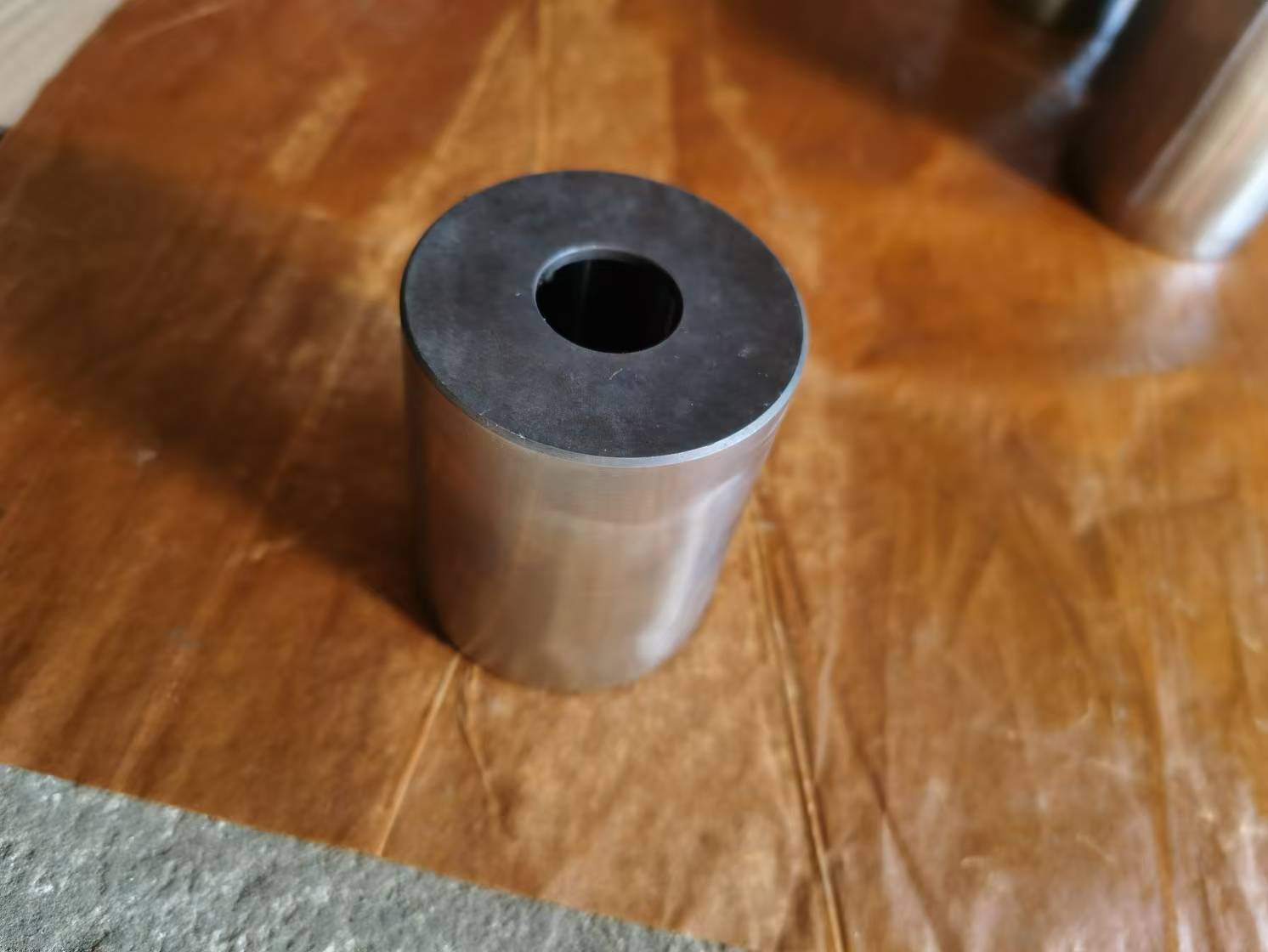
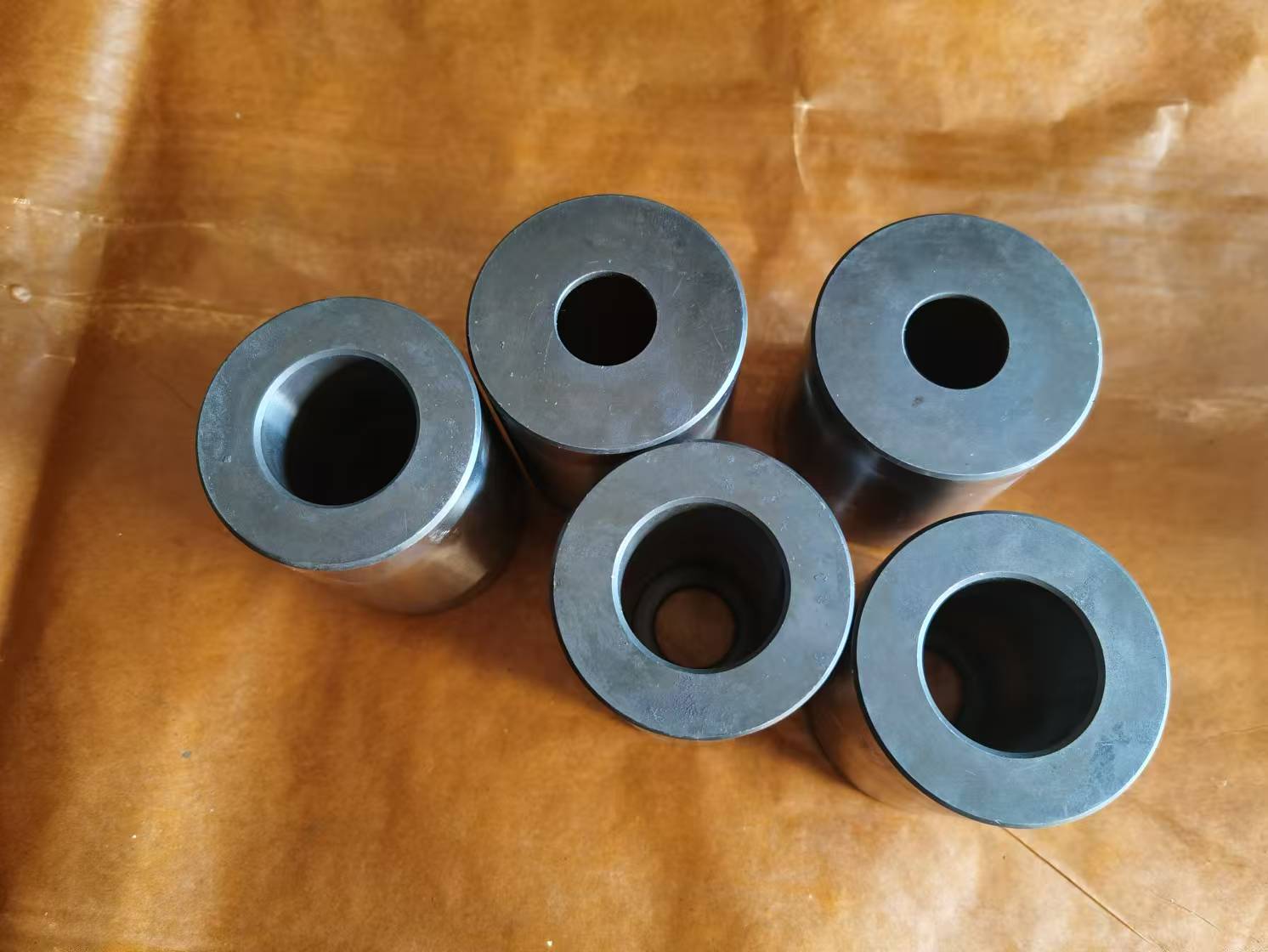


Rebar Bender Roller Dies are core components of rebar processing machinery, directly impacting the accuracy of rebar bending, the quality of finished products, and equipment operating efficiency. Based on the three-point bending mechanics principle, these dies can precisely bend rebar of different specifications into various shapes required for construction projects, such as stirrups, beam reinforcement, and column reinforcement. They are widely compatible with various semi-automatic and fully automatic CNC rebar bending machines.
Rebar Bender Roller Dies are specialized mold components installed on the working disc of a rebar bending machine. The core consists of three parts: a central roller, a movable roller, and a positioning roller. These three components work together to form a standardized three-point bending system. Through the coordinated movement of the rollers, precise bending and shaping of the rebar is achieved. Rollers of different specifications can be flexibly replaced to accommodate the processing needs of various rebar diameters.
The Rebar Bender Roller Dies operate based on the three-point bending principle. The rebar is stably clamped between the central roller and the positioning roller, which form fixed support and positioning points. The equipment drives the movable roller to perform rotational feeding motion, applying uniform bending pressure to the rebar, causing plastic deformation around the central roller to complete the bending operation. The bending radius can be flexibly adjusted by changing the diameter of the central roller to meet different curvature requirements of engineering designs; the final bending angle of the rebar is controlled by the rotation angle of the working disc, and conventional models can achieve stepless adjustment from 0-180°.
Based on their core structure and function, Rebar Bender Roller Dies are mainly classified into central rollers, movable rollers, and positioning rollers. The central roller is fixed at the center of the work plate and serves as the core pivot point for rebar bending. Its diameter directly determines the minimum bending radius of the rebar and is a fundamental component for all bending operations. The movable roller is the active force-applying component; its installation position can be adjusted according to processing requirements, and it applies bending force through rotation, making it crucial for controlling the rebar bending angle. The positioning roller is an auxiliary support component, maintaining a fixed position to effectively prevent displacement and warping of long rebars or multiple parallel rebars during bending, thus improving processing stability.
Based on the diameter specifications of the adapted rebar, Rebar Bender Roller Dies can be divided into four categories: small, medium, large, and special specifications. Small rollers are mainly suitable for rebars with diameters of 6-16mm, primarily used for fine processing scenarios such as stirrups and small prefabricated component rebars; medium rollers are suitable for rebars with diameters of 18-28mm, and are standard accessories for processing main structural rebars in building projects such as beams and slabs; large rollers are suitable for large-diameter rebars of 32-50mm, mainly used for processing rebars in heavy building components such as columns and shear walls; special specification rollers are customized models, specifically adapted to the processing needs of special materials such as irregularly shaped rebars, high-strength threaded steel, and HRB500 grade high-toughness steel.
The core specification parameters of Rebar Bender Roller Dies must comply with industry standards for rebar processing and be highly matched with the equipment and processing materials. The conventional diameter range of the rollers is 25-120mm, which should be selected based on 1.5-5 times the diameter of the processed rebar, directly affecting the minimum bending radius and processing adaptability of the rebar; the roller width is 15-50mm, mainly determined by the diameter of the processed rebar and the number of rebars bent at one time. The larger the width, the more stable the clamping and support effect on the rebar; the shaft hole diameter is 16-40mm, which needs to be precisely matched with the shaft diameter of the rebar bending machine's working disc, and is a key parameter to ensure the stability of mold installation;
The material of Rebar Bender Roller Dies directly determines its core performance such as hardness, wear resistance, and impact resistance. The mainstream materials used include Cr12MoV and D2, with different materials suitable for different processing conditions. Cr12MoV alloy tool steel has high hardness, high wear resistance, and good hardenability, with strong material stability, making it a general choice for conventional processing, suitable for processing ordinary rebar and medium-strength rebar;
The processing accuracy of Rebar Bender Roller Dies directly affects the quality of rebar bending. Its production requires multiple precision manufacturing processes, including precision forging, vacuum heat treatment, professional surface treatment, and precision grinding. Precision forging is the basic process, which makes the internal metal structure of the roller dense through forging, effectively improving the overall structural strength and impact resistance, and avoiding fracture during subsequent operations; vacuum heat treatment is crucial to ensuring material performance. Through uniform quenching in a vacuum environment, the roller reaches the designed hardness while effectively avoiding mold deformation and ensuring dimensional accuracy; precision grinding is the final finishing process. Through high-precision grinding equipment, the tolerance of the roller diameter is controlled within ±0.02mm, ensuring the dimensional accuracy and installation adaptability of the mold, and ensuring the accuracy of bending processing.
Rebar Bender Roller Dies, as core accessories for rebar bending machines, are widely used in the rebar processing stage of various construction projects. Key application scenarios include building construction, bridge engineering, tunnel engineering, professional rebar processing plants, and precast component factories. In building construction, they are mainly used for bending rebar in beams, columns, slabs, shear walls, and other components of main structures in residential and commercial buildings; in bridge engineering, they are adapted for the precise bending of prestressed rebar and irregularly shaped rebar to meet the design requirements of complex bridge structures; in tunnel engineering, they are mainly used for bending and forming rebar in arched structures and grid steel frames, adapting to the special working conditions of tunnel construction; in professional rebar processing plants, they serve as core accessories for the mass production of standard-shaped rebar components, improving operational efficiency; in precast component factories, they are used for processing the rebar framework of prefabricated beams, slabs, and stairs, ensuring the standardized production of precast components.
When selecting Rebar Bender Roller Dies, the principles of compatibility, practicality, and quality should be followed. First, the roller must match the bending machine model; the shaft hole diameter and installation method of the roller should be confirmed in advance to ensure complete compatibility with the working disc of the existing rebar bending machine, guaranteeing installation stability; secondly, the roller must accurately match the rebar specifications, selecting the corresponding size of the roller based on the maximum and minimum diameters of the rebar processed daily; furthermore, the appropriate material should be selected according to the processing conditions;
Basic maintenance should be performed during daily use to ensure the performance and lifespan of the mold. Before use, check that the roller is securely installed without displacement, and clean the surface of rebar fragments, rust, oil stains, and other impurities; during use, strictly process according to the adapted specifications, and avoid overloading or processing rebar exceeding the specified diameter to prevent mold deformation and chipping; after use, promptly clean any remaining stains on the surface, and apply anti-rust lubricating oil to the shaft hole and mating surfaces to prevent rusting.
Maintenance plans should be developed based on operating frequency. For regular batch processing, a comprehensive maintenance check is recommended weekly. Disassemble the rollers to thoroughly clean away impurities and rust, and inspect the surface for wear, cracks, and deformation. Verify the accuracy of the mating surfaces; lubricate the shaft holes and rotating parts and replace aged lubricant; inspect the groove structure, and repair minor wear by polishing. After maintenance, store the rollers separately in a dry and ventilated environment to prevent moisture damage and impact.
Determine whether to repair or replace based on the degree of mold wear to avoid affecting processing quality. Slight surface wear and scratches that do not affect the groove structure and dimensional accuracy can be repaired by polishing and welding/grinding; severe surface wear, chipping, cracks, or groove deformation, or shaft hole wear and misalignment require timely replacement; molds with overall deformation or breakage that are beyond repair should be replaced directly with the same type of mold from the original manufacturer to ensure compatibility and processing accuracy.
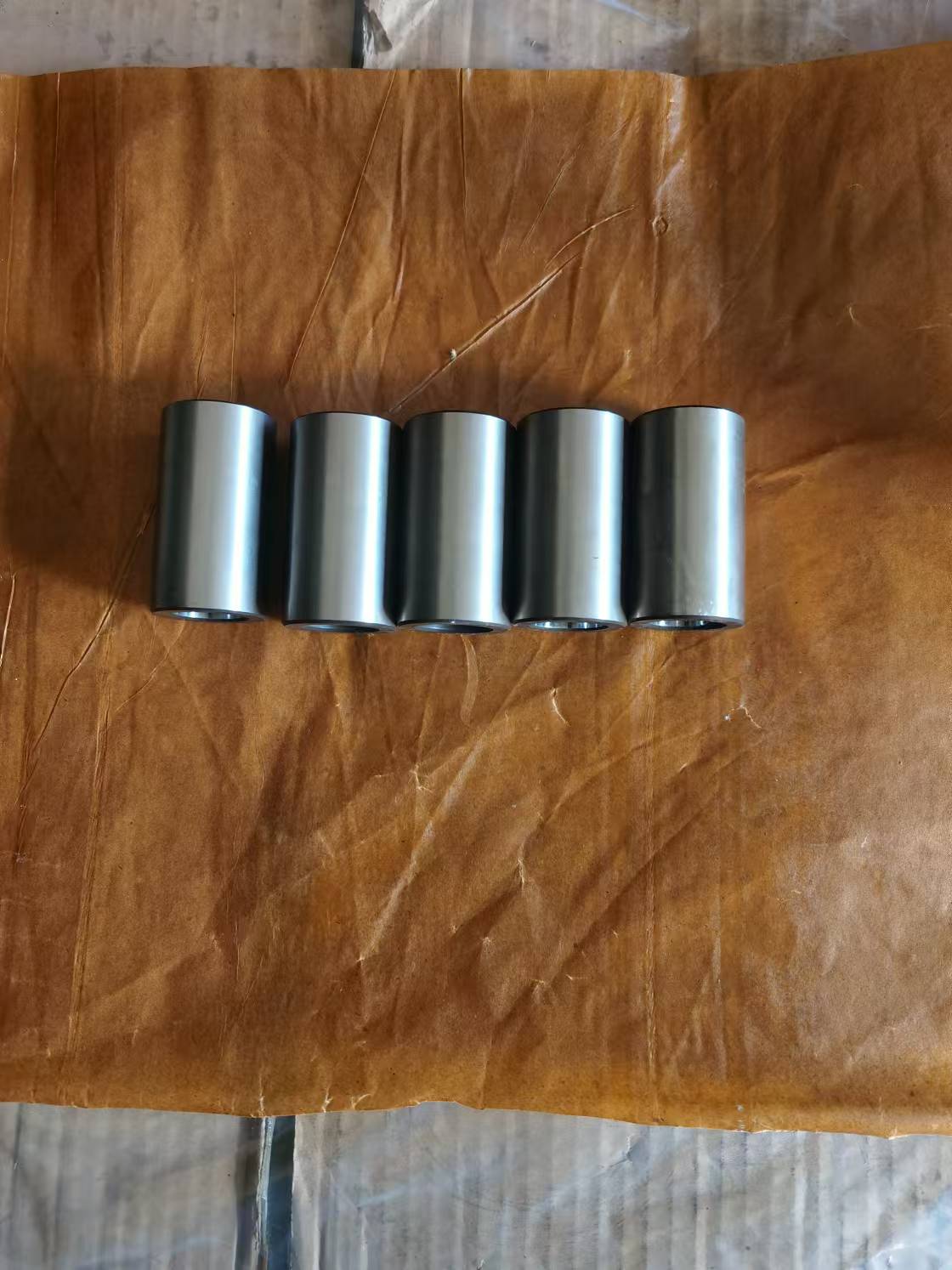
Rebar Bender Roller Dies are core components of rebar processing machinery, directly impacting the accuracy of rebar bending, the quality of finished products, and equipment operating efficiency. Based on the three-point bending mechanics principle, these dies can precisely bend rebar of different specifications into various shapes required for construction projects, such as stirrups, beam reinforcement, and column reinforcement. They are widely compatible with various semi-automatic and fully automatic CNC rebar bending machines.
Rebar Bender Roller Dies are specialized mold components installed on the working disc of a rebar bending machine. The core consists of three parts: a central roller, a movable roller, and a positioning roller. These three components work together to form a standardized three-point bending system. Through the coordinated movement of the rollers, precise bending and shaping of the rebar is achieved. Rollers of different specifications can be flexibly replaced to accommodate the processing needs of various rebar diameters.
The Rebar Bender Roller Dies operate based on the three-point bending principle. The rebar is stably clamped between the central roller and the positioning roller, which form fixed support and positioning points. The equipment drives the movable roller to perform rotational feeding motion, applying uniform bending pressure to the rebar, causing plastic deformation around the central roller to complete the bending operation. The bending radius can be flexibly adjusted by changing the diameter of the central roller to meet different curvature requirements of engineering designs; the final bending angle of the rebar is controlled by the rotation angle of the working disc, and conventional models can achieve stepless adjustment from 0-180°.
Based on their core structure and function, Rebar Bender Roller Dies are mainly classified into central rollers, movable rollers, and positioning rollers. The central roller is fixed at the center of the work plate and serves as the core pivot point for rebar bending. Its diameter directly determines the minimum bending radius of the rebar and is a fundamental component for all bending operations. The movable roller is the active force-applying component; its installation position can be adjusted according to processing requirements, and it applies bending force through rotation, making it crucial for controlling the rebar bending angle. The positioning roller is an auxiliary support component, maintaining a fixed position to effectively prevent displacement and warping of long rebars or multiple parallel rebars during bending, thus improving processing stability.
Based on the diameter specifications of the adapted rebar, Rebar Bender Roller Dies can be divided into four categories: small, medium, large, and special specifications. Small rollers are mainly suitable for rebars with diameters of 6-16mm, primarily used for fine processing scenarios such as stirrups and small prefabricated component rebars; medium rollers are suitable for rebars with diameters of 18-28mm, and are standard accessories for processing main structural rebars in building projects such as beams and slabs; large rollers are suitable for large-diameter rebars of 32-50mm, mainly used for processing rebars in heavy building components such as columns and shear walls; special specification rollers are customized models, specifically adapted to the processing needs of special materials such as irregularly shaped rebars, high-strength threaded steel, and HRB500 grade high-toughness steel.
The core specification parameters of Rebar Bender Roller Dies must comply with industry standards for rebar processing and be highly matched with the equipment and processing materials. The conventional diameter range of the rollers is 25-120mm, which should be selected based on 1.5-5 times the diameter of the processed rebar, directly affecting the minimum bending radius and processing adaptability of the rebar; the roller width is 15-50mm, mainly determined by the diameter of the processed rebar and the number of rebars bent at one time. The larger the width, the more stable the clamping and support effect on the rebar; the shaft hole diameter is 16-40mm, which needs to be precisely matched with the shaft diameter of the rebar bending machine's working disc, and is a key parameter to ensure the stability of mold installation;
The material of Rebar Bender Roller Dies directly determines its core performance such as hardness, wear resistance, and impact resistance. The mainstream materials used include Cr12MoV and D2, with different materials suitable for different processing conditions. Cr12MoV alloy tool steel has high hardness, high wear resistance, and good hardenability, with strong material stability, making it a general choice for conventional processing, suitable for processing ordinary rebar and medium-strength rebar;
The processing accuracy of Rebar Bender Roller Dies directly affects the quality of rebar bending. Its production requires multiple precision manufacturing processes, including precision forging, vacuum heat treatment, professional surface treatment, and precision grinding. Precision forging is the basic process, which makes the internal metal structure of the roller dense through forging, effectively improving the overall structural strength and impact resistance, and avoiding fracture during subsequent operations; vacuum heat treatment is crucial to ensuring material performance. Through uniform quenching in a vacuum environment, the roller reaches the designed hardness while effectively avoiding mold deformation and ensuring dimensional accuracy; precision grinding is the final finishing process. Through high-precision grinding equipment, the tolerance of the roller diameter is controlled within ±0.02mm, ensuring the dimensional accuracy and installation adaptability of the mold, and ensuring the accuracy of bending processing.
Rebar Bender Roller Dies, as core accessories for rebar bending machines, are widely used in the rebar processing stage of various construction projects. Key application scenarios include building construction, bridge engineering, tunnel engineering, professional rebar processing plants, and precast component factories. In building construction, they are mainly used for bending rebar in beams, columns, slabs, shear walls, and other components of main structures in residential and commercial buildings; in bridge engineering, they are adapted for the precise bending of prestressed rebar and irregularly shaped rebar to meet the design requirements of complex bridge structures; in tunnel engineering, they are mainly used for bending and forming rebar in arched structures and grid steel frames, adapting to the special working conditions of tunnel construction; in professional rebar processing plants, they serve as core accessories for the mass production of standard-shaped rebar components, improving operational efficiency; in precast component factories, they are used for processing the rebar framework of prefabricated beams, slabs, and stairs, ensuring the standardized production of precast components.
When selecting Rebar Bender Roller Dies, the principles of compatibility, practicality, and quality should be followed. First, the roller must match the bending machine model; the shaft hole diameter and installation method of the roller should be confirmed in advance to ensure complete compatibility with the working disc of the existing rebar bending machine, guaranteeing installation stability; secondly, the roller must accurately match the rebar specifications, selecting the corresponding size of the roller based on the maximum and minimum diameters of the rebar processed daily; furthermore, the appropriate material should be selected according to the processing conditions;
Basic maintenance should be performed during daily use to ensure the performance and lifespan of the mold. Before use, check that the roller is securely installed without displacement, and clean the surface of rebar fragments, rust, oil stains, and other impurities; during use, strictly process according to the adapted specifications, and avoid overloading or processing rebar exceeding the specified diameter to prevent mold deformation and chipping; after use, promptly clean any remaining stains on the surface, and apply anti-rust lubricating oil to the shaft hole and mating surfaces to prevent rusting.
Maintenance plans should be developed based on operating frequency. For regular batch processing, a comprehensive maintenance check is recommended weekly. Disassemble the rollers to thoroughly clean away impurities and rust, and inspect the surface for wear, cracks, and deformation. Verify the accuracy of the mating surfaces; lubricate the shaft holes and rotating parts and replace aged lubricant; inspect the groove structure, and repair minor wear by polishing. After maintenance, store the rollers separately in a dry and ventilated environment to prevent moisture damage and impact.
Determine whether to repair or replace based on the degree of mold wear to avoid affecting processing quality. Slight surface wear and scratches that do not affect the groove structure and dimensional accuracy can be repaired by polishing and welding/grinding; severe surface wear, chipping, cracks, or groove deformation, or shaft hole wear and misalignment require timely replacement; molds with overall deformation or breakage that are beyond repair should be replaced directly with the same type of mold from the original manufacturer to ensure compatibility and processing accuracy.