86-15852949220      mt@alasmachinery.com
NANJING ALAS INTERNATIONAL CO., LTD
You are here: Home » Products » Rebar Blade » 2026 Industrial-grade Steel Rebar Cutting Blade

Product Category

Contact Us

loading

Share to:
sharethis sharing button

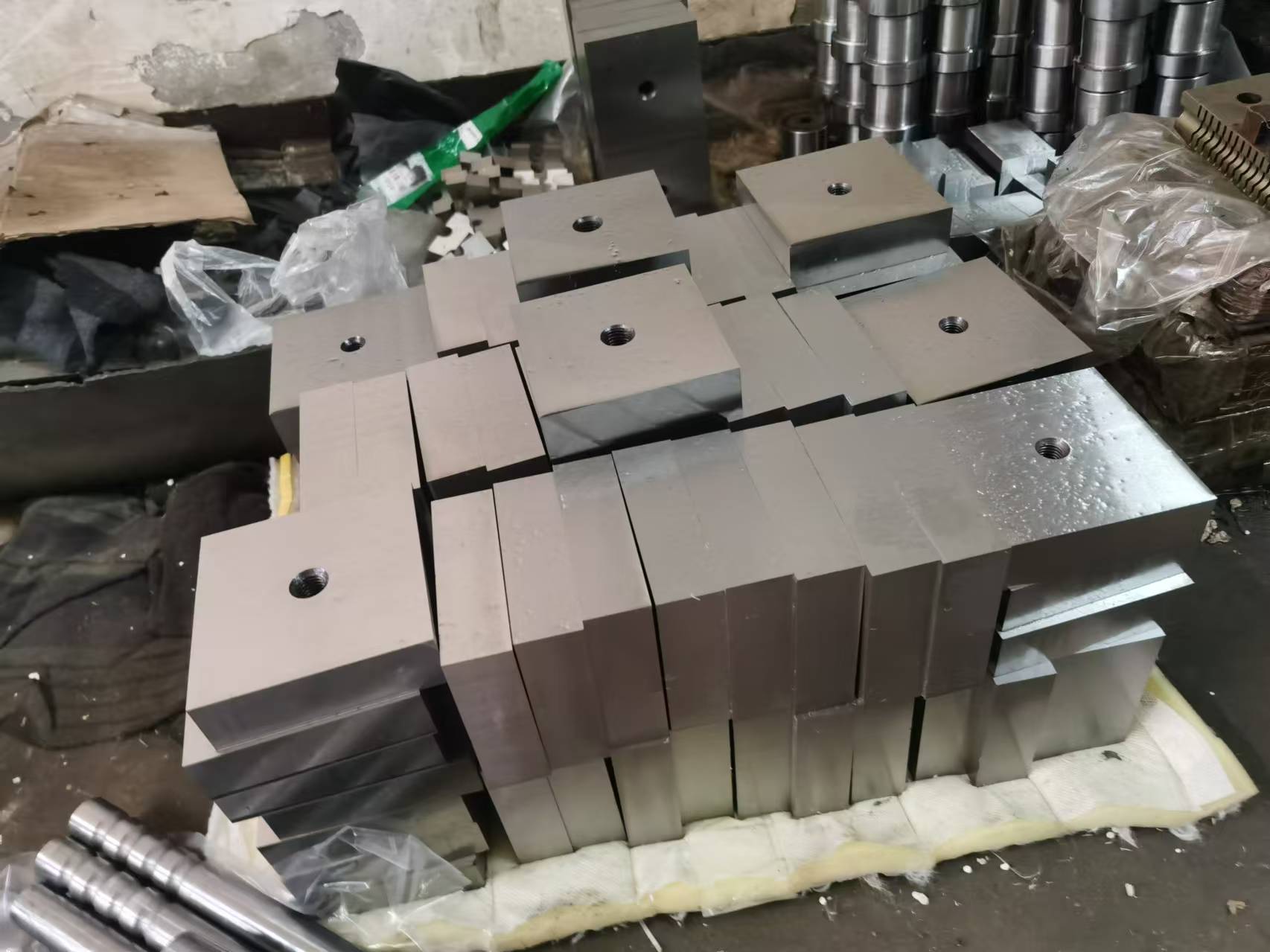
2026 Industrial-grade Steel Rebar Cutting Blade

2026 Industrial-grade Steel Rebar Cutting Blade
Availability:
Quantity:

2026 Standards: Rebar Cutting Blade Selection & Application Guide

We offer simple, practical advice for choosing rebar cutting blades. It covers material selection, equipment matching, rebar type adaptation, and manufacturing processes. Our guide aligns with 2026 industry standards to help you:
  • Pick the right blade

  • Make blades last longer

  • Ensure stable cutting

  • Meet modern industry needs for speed and efficiency

2026 Standards: Why Material Matters for New Rebar Cutting Blades

In 2026, construction and metal processing need faster work and less downtime. Rebar cutting blades are no longer just simple wear parts—they are precise tools.
Key 2026 updates:
  • Industry rules (including guidelines from the Ministry of Housing and Urban-Rural Development) demand better cutting precision and more durable blades.

  • Old, surface-hardened blades cause frequent chipping, machine stops, and fail to meet rebar end-face flatness requirements.

At Alas Machinery, our 2026 blade series sets a new standard for cost-effective cutting. It fully meets the latest industry rules and fits high-speed, high-precision rebar processing needs.

Advanced Metallurgy: H13 & Vacuum Hardening

High-grade rebar (Grade 60 or 75, meeting ASTM A615 standards) creates strong shock during cutting. To fix this:
  • We use high-quality H13 (SKD-61) and D2 tool steels (D2 is a high-hardness, high-wear material for ordinary round steel).

  • We add full-body vacuum heat treatment—a key technology for 2026 blade performance.

H13 vs. SKD-61 (same type, different standards):
  • H13 (American AISI standard): More vanadium, better wear resistance and toughness.

  • SKD-61 (Japanese JIS standard): More molybdenum, better high-temperature strength.

Our 2026 series optimizes these materials to balance toughness and wear resistance.

Impact Resilience

  • 2026 formula ensures core-to-surface hardness of HRC 58-62 (matches high-quality tool steel standards).

  • Uniform hardness prevents blades from breaking—even when cutting multiple rebars at once.

  • Solves the common problem of brittle fracture when cutting high-strength rebar.

Thermal Stability

  • Blades keep their sharp edge during continuous, high-speed cutting (which creates high heat).

  • Vacuum heat treatment avoids oxidation and decarburization, and removes gas from the steel.

  • H13 steel stays hard (≥45 HRC) at 600℃, ensuring stable performance during long, intense work.

Precision Manufacturing: 4-Sided Performance

Precision is critical for heavy-duty cutting—especially with 2026 standards (e.g., rebar end-face flatness for mechanical connection). Our blades have two key features:

4-Sided Usability

  • Each blade is precision-ground on all four edges.

  • Extends service life by 4x, reducing inventory costs.

  • Better for large-scale processing (fits 2026 needs for speed and low cost).

Micron-Level Flatness

  • Fits perfectly in the blade seat, eliminating "chatter" (which wears down the machine’s cutting head).

  • Meets JGJ107-2016 standards for rebar mechanical connection.

  • Ensures flat rebar end-faces (no bending, distortion, or horseshoe shape).

Rebar Cutting Blade Material Selection (2026 Upgraded)

Blade material determines hardness, toughness, and service life. For 2026, choose from H13 (SKD-61), D2, and high-nickel materials based on your cutting needs, rebar grade, and heat treatment technology.

H13 (SKD-61) Material

  • Mainstream high-quality material in 2026.

  • Great wear resistance, toughness, and thermal fatigue resistance.

  • No deformation or chipping during long, intense cutting.

  • Ideal for high-strength rebar (Grade 60, 75) and high-hardness cold-rolled rebar.

  • Lasts 40% longer than regular blades (after vacuum heat treatment).

High-Nickel Material

  • Best for scrap rebar (corroded, with sand/dirt that wears blades).

  • Excellent corrosion and wear resistance.

  • Extends blade life in harsh conditions.

Matching Mechanical Specifications (2026 Custom Sizes)

2026 standards make blade-machine matching stricter. It affects precision, machine life, and safety. We offer custom services based on your equipment.

Shape Matching

Two common shapes:
  • Square blades: 4 usable edges (rotate to extend life). Good for large-scale processing and high-speed lines.

  • Rectangular blades: 1 or 2 edges. Designed for small-tonnage machines (e.g., below GQ40). Good for small projects with low cutting frequency.

Size Matching

  • Different machine tonnages (GQ40, GQ50, GQ60) have strict standards for blade thickness, length, width, and bolt hole spacing.

  • Parameters match mainstream machines (e.g., Topmac GQ40, GQ50).

  • Follow the machine manual to ensure a perfect fit (avoids safety risks and cutting defects).

Adapting to Different Rebar Types (2026 Compliance)

Rebar types have different physical properties. With 2026 rules on shearing machines, choose blades based on rebar type and processing needs.
  • Ordinary round steel: Low hardness and cutting resistance. Use D2 (controls costs, fits non-mechanical connection projects).

  • High-strength ribbed rebar (Grade 60, 75): High hardness, ribbed surface wears blades. Use H13 (SKD-61) (reduces chipping, supports continuous cutting, meets 2026 precision standards).

  • Scrap rebar: Corroded, with sand/dirt. Use high-nickel materials (ensures durability in harsh conditions).

Manufacturing Process (2026 Advanced Standards)

We recommend blades made with full grinding and vacuum heat treatment (core process for our 2026 series). Key benefits:
  • Uniform hardness: Vacuum heat treatment removes internal stress (no local brittleness or deformation).

  • Stable sharpness: Precision grinding ensures sharp edges and micron-level flatness (reduces cutting resistance, improves efficiency).

  • Low failure rate: Less chipping or dulling (avoids costly machine stops, fits 2026 low-downtime needs).

Custom Rebar Cutting Blades (2026 Tailored Solutions)

Alas Machinery is a dedicated manufacturer. We offer custom blades to meet 2026 global market needs.
  • Optimized hardening depth and toughness (solves brittle fracture when cutting high-strength rebar).

  • Make non-standard blades from your drawings, dimensions (length x width x thickness + hole size/ spacing), and performance needs.

  • Fits all machine brands and models.

  • Strict material and hardness testing (ensures quality and stability).

Factory-Direct Spares for 2026 Global Market

  • High-performance, maintenance-free spares (ready to install).

  • Our 2026 blades last 40% longer than standard options (keeps projects on time and on budget).

  • Global supply, reliable after-sales service and technical support.

  • Helps you meet 2026 standards and gain market advantages.

Rebar cutting blade specifications and dimensions

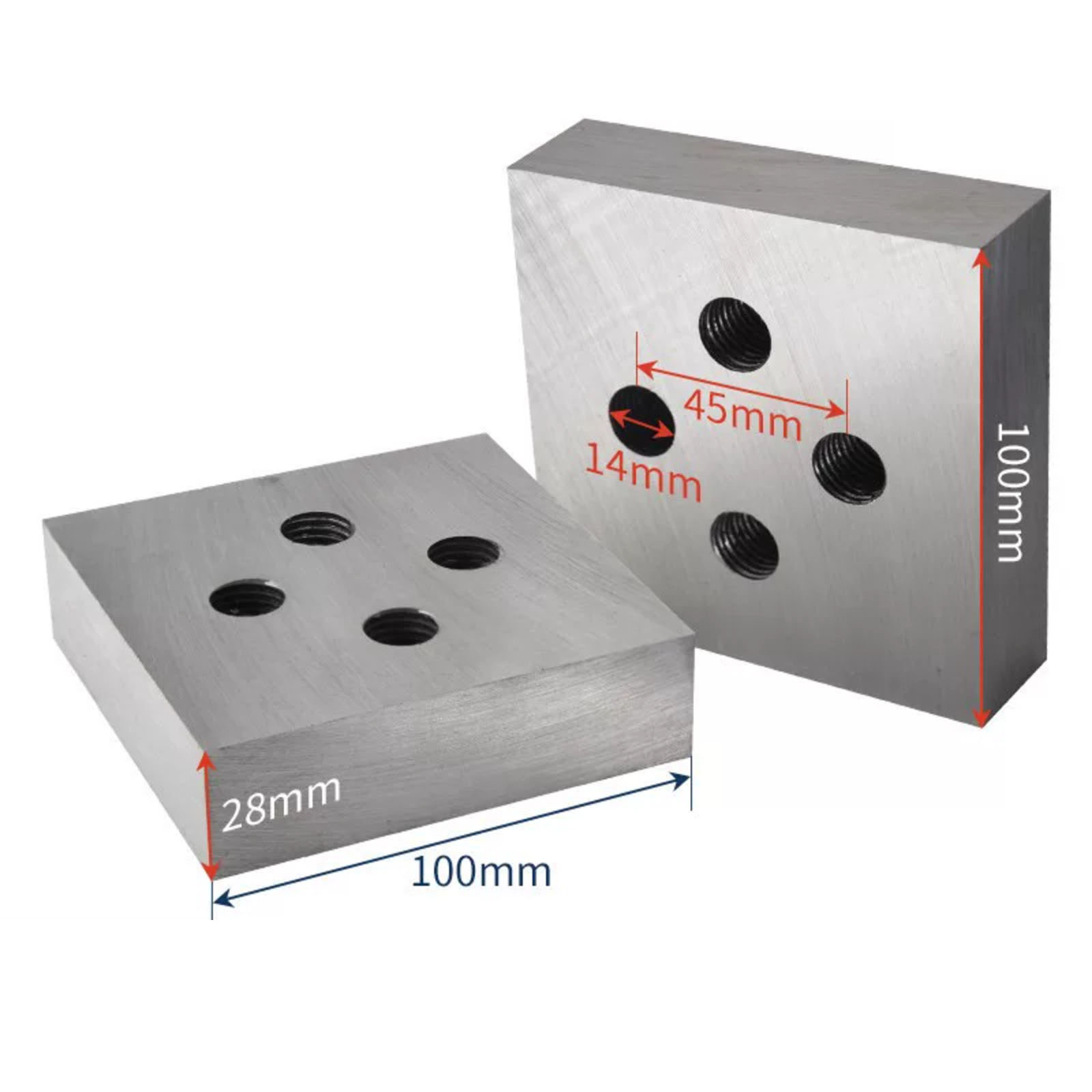
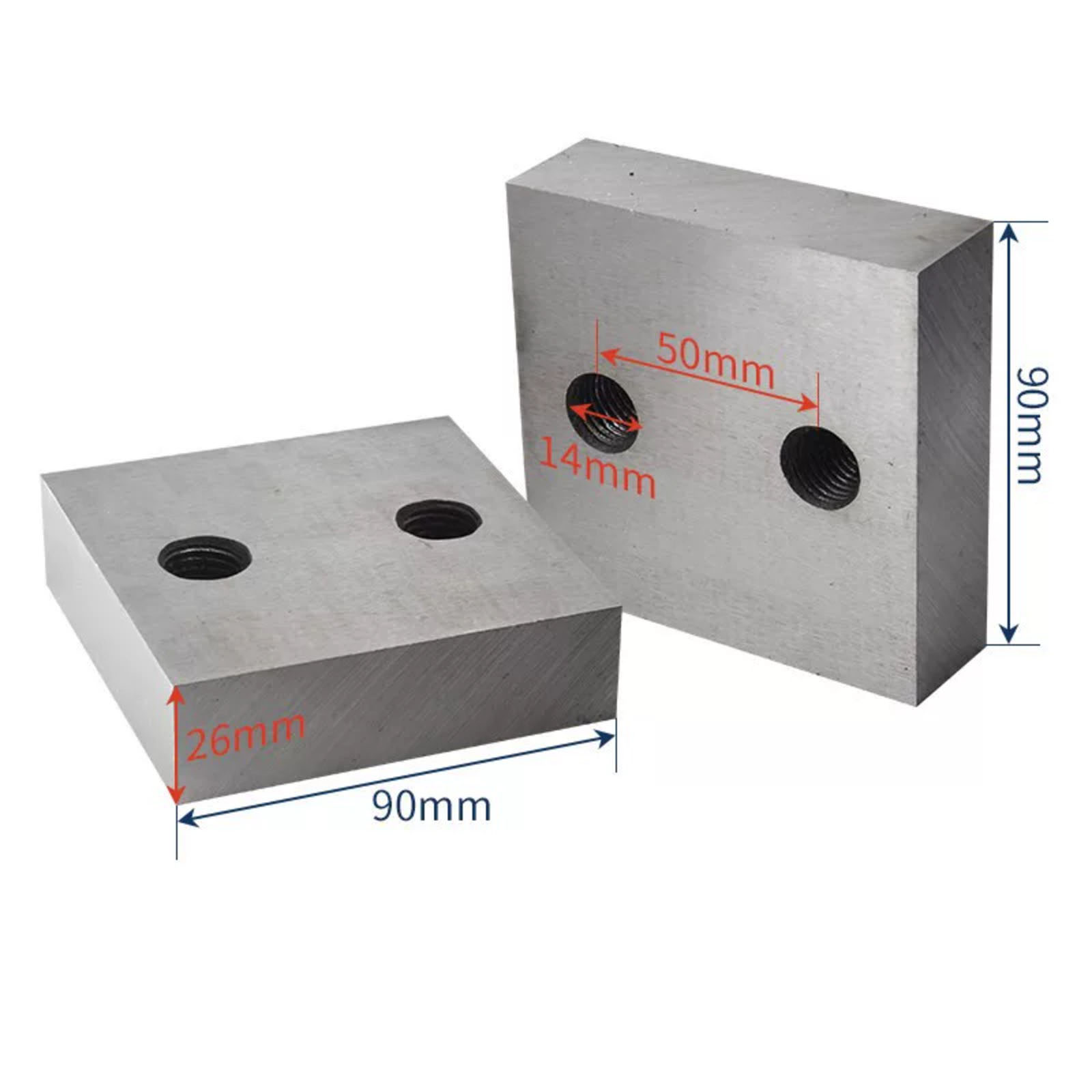
NO. Product Name Specification   Dimensions (length x width x height/thickness) ) Material
1

rebar cutting blade size

78*78*17   mm 9crsi,SKD-11,H13
2 80*80*17   mm
3 80*80*30   mm
4 83*83*16   mm
5 83*83*20   mm
6

83*83*26mm

7 90*90*20   mm
8

90*90*26mm

9 100*100*20  mm
10

100*100*30mm

11 110*110*20   mm
12 100*30*75 mm
13 85x65x30 mm
14

Handheld   rebar cutting machine blade

26×20×10 mm
15 30×24×11mm
16 36×28×14 mm
17

40×30×15mm


Blade Metal Materials Grade Correspondence Table

Base Grade

Steel Category

Chinese Standard GB/T 1299

American Standard ASTM

German Standard DIN (W-Nr.)

Japanese Standard JIS

H13

Hot Work Die Steel

4Cr5MoSiV1

H13

1.2344

SKD61

Cr12MoV

Cold Work Die Steel

Cr12MoV


1.2601

SKD11

9CrSi

Alloy Tool Steel (Cutting Tool Steel)

9CrSi


1.2108


H13 blade material is really good at resisting wear and has great toughness. Even when used for long periods of high-intensity cutting, it stays stable—no deformation, no chipping at all. It’s the top pick for international trade because it doesn’t need to be replaced as often, which cuts down a lot on transportation costs and customs duties compared to other materials.


rebar cutting blades drawing

GQ60-rebar-cutting-blade-drawingGQ50-rebar-cutting-blade-drawing

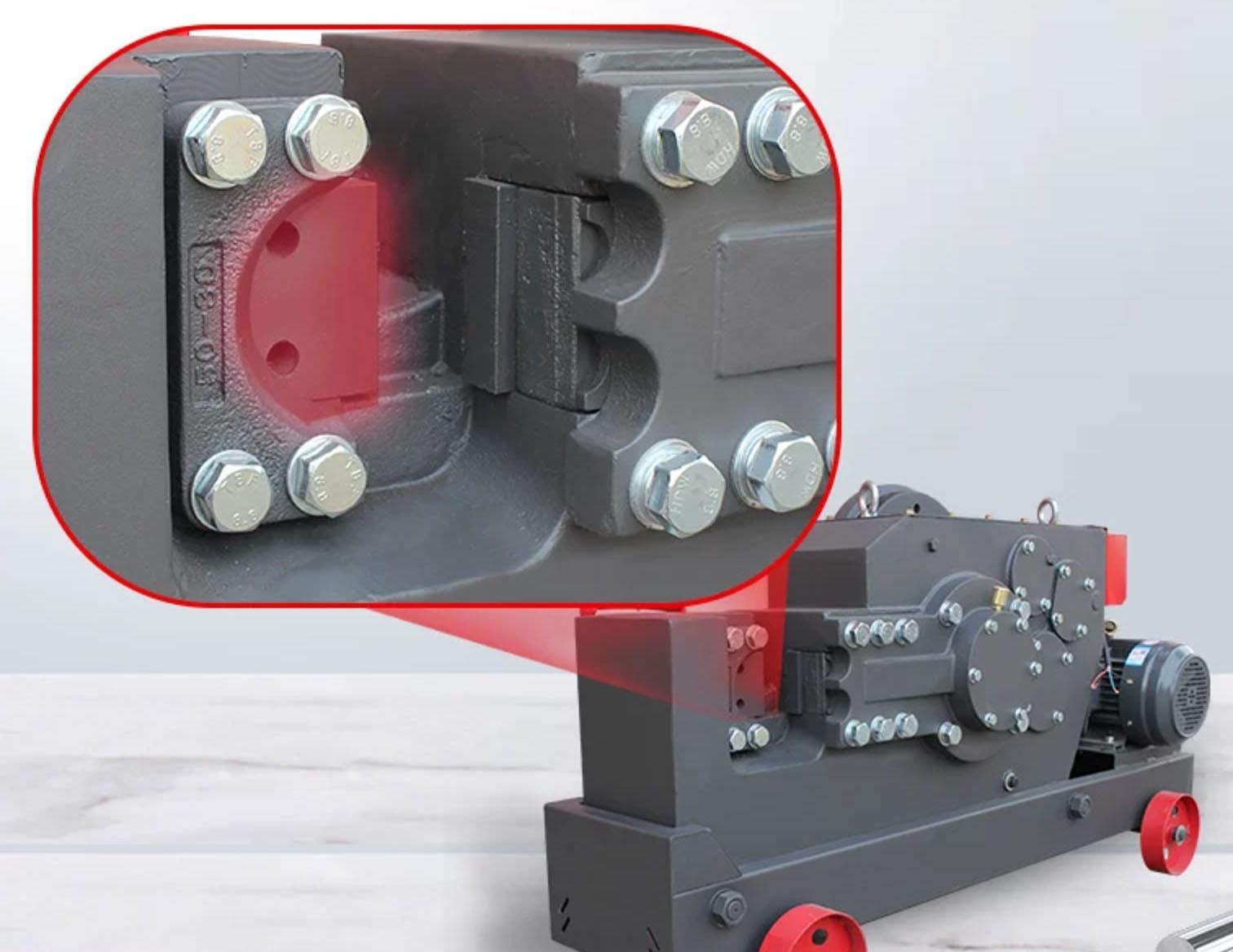
Installation location of the rebar cutting blade


rebar-cutting-machine-blade-installation-area

Long-life rebar cutting blades 2026

Are high-hardness steel rebar cutting blades prone to chipping?

4-sided-usable-rebar-shear-blades-90x90x20mm-factory-directhardened-H13-rebar-cutting-blades-90x90x20-detail

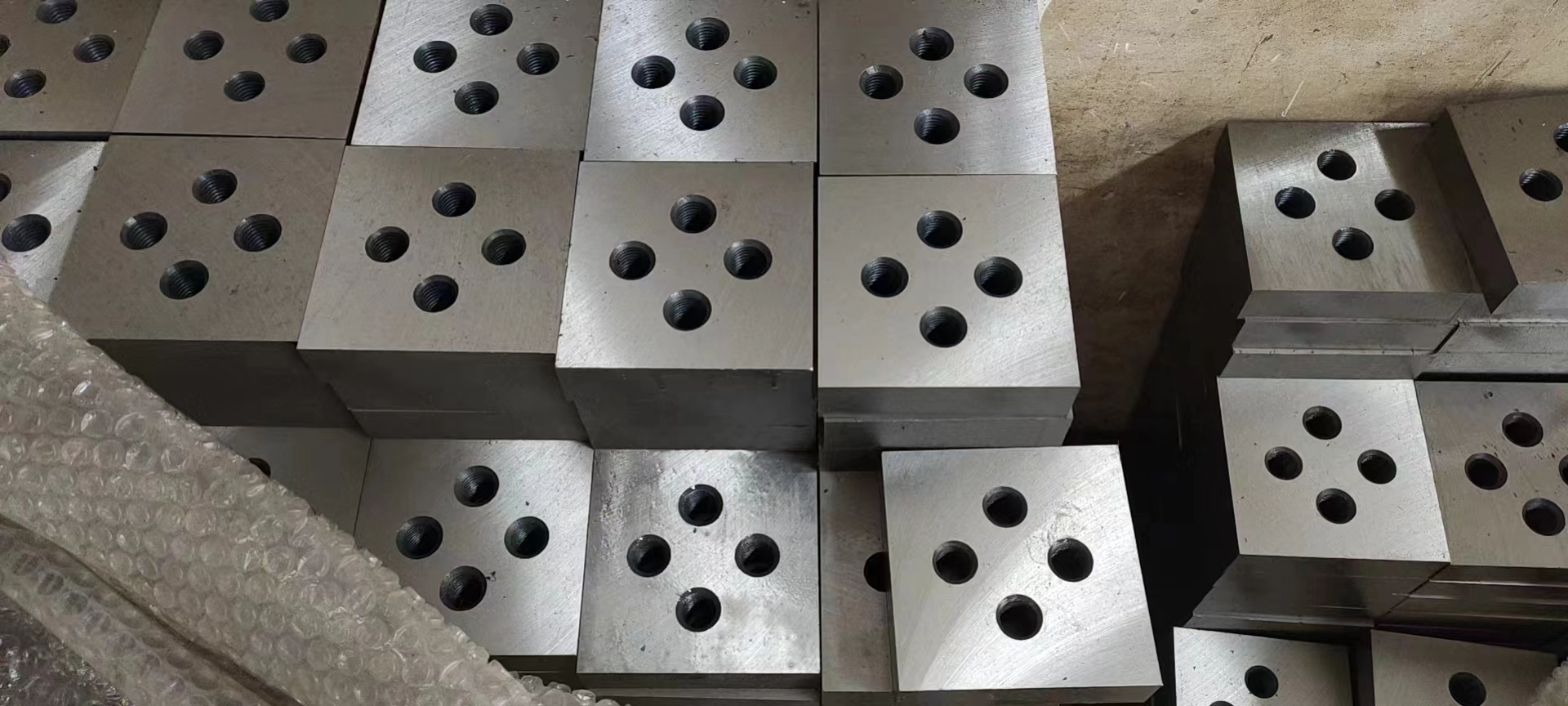
rebar-cutting-blade-stock-photos-01rebar-cutting-blade-stock-photos-03


Rebar Cutter machine Blades

H13 steel rebar cutting blades

rebar cutting replacement blades

FAQ

Question 1: What are the main material options for our rebar cutting blades?

Based on different working conditions and budget requirements, we offer three general industrial-grade alloy steel materials:

9CrSi (Alloy Tool Steel): An economical choice. It has good hardenability and machinability, suitable for cutting ordinary medium-to-low strength rebar, and is widely used in small and medium-sized projects.

Cr12MoV (Cold Work Die Steel): High-end wear-resistant type. High carbon and high chromium content, after heat treatment, it has excellent wear resistance, making it an ideal choice for continuous cutting of high-strength rebar. Its service life is much longer than 9CrSi.

H13 (Hot Work Die Steel/Red Hard Steel): High toughness and high wear resistance. It exhibits excellent resistance to chipping and thermal stability in rebar cutting applications, especially suitable for high-speed production lines or online cutting of hot-rolled rebar, and cutting of ultra-thick rebar and composite materials of scrap rebar.


Question 2: Why do my blades often chip? Is it a material problem?

Chipping is usually caused by the following factors:

Insufficient toughness: Using ultra-hard but low-toughness materials to cut large-diameter or ultra-hard rebar can easily lead to brittle fracture. In this case, we recommend switching to H13 material, as its excellent toughness can effectively absorb impact forces.

Improper clearance: Too large or too small a gap between the upper and lower blades will lead to uneven stress, resulting in chipping.

Insufficient heat treatment: Internal stress is not completely eliminated. All our blades use vacuum heat treatment technology to ensure uniform hardness from the inside out, greatly reducing the chipping rate.


Question 3: What is the biggest performance difference between 9CrSi and Cr12MoV?

Wear resistance: Cr12MoV has significantly better wear resistance than 9CrSi. Under the same working conditions, the number of cuts for Cr12MoV is usually 2-3 times that of 9CrSi.

Cost: 9CrSi is more cost-effective, suitable for projects sensitive to initial purchase costs; although the unit price of Cr12MoV is slightly higher, its lower replacement frequency results in a lower overall cutting cost per ton of rebar.


Question 4: Which material is recommended for high-strength deformed rebar (e.g., HRB500E) or thick rebar?

For high-strength or ribbed rebar, we strongly recommend H13:

If you are facing extremely high operating intensity and are concerned about downtime due to blade chipping, choose H13. Its impact fatigue resistance is top-notch in the rebar processing industry.


Question 5: Can you customize non-standard size blades according to drawings?

Yes. We understand that blade specifications vary among different equipment brands (e.g., from Italy, Germany, or China). We are equipped with a full set of CNC machining equipment, and you only need to provide the following information:

Detailed drawings (including length, width, thickness, and hole dimensions).

Material requirements (9CrSi, Cr12MoV, or H13).

Specifications of the workpiece to be processed (rebar diameter and strength grade).

We can provide a 1:1 precise customized solution.


Question 6: How to maintain the blades to extend their service life?

Regular rotation: Our blades are usually designed with 4 or 8 cutting edges. Please rotate the blade promptly when one cutting edge becomes dull.

Tighten bolts: Ensure the blades are securely installed. Any slight looseness will cause destructive impact during the cutting process.

Control the gap: Adjust a reasonable blade gap according to the rebar diameter, usually about 10% of the rebar diameter.


微信图片_20250104142221微信图片_20250104142224

包装

Previous: 
Next: 
200
Phone:
86-15852949220
Address:
Jiangning District, Nanjing
About Us

Nanjing Alas International Co., Ltd. is a professional industrial tooling manufacturer focused on shear blades, bending dies, shredder blades, and custom wear parts. We offer full application engineering, material selection, setup guidance, and after-sales support to global customers.
Tell us your requirements, and our engineering team will provide professional solutions for blade specification, tool life optimization, and cost-effective production.

Subscribe
Sign up for our newsletter to receive the latest news.
​Copyright 2021 NANJING ALAS INTERNATIONAL CO., LTD            苏ICP备2021025144号