Core Special Accessories for Prestressed Steel Bar Processing in Concrete Pipe Pile Production
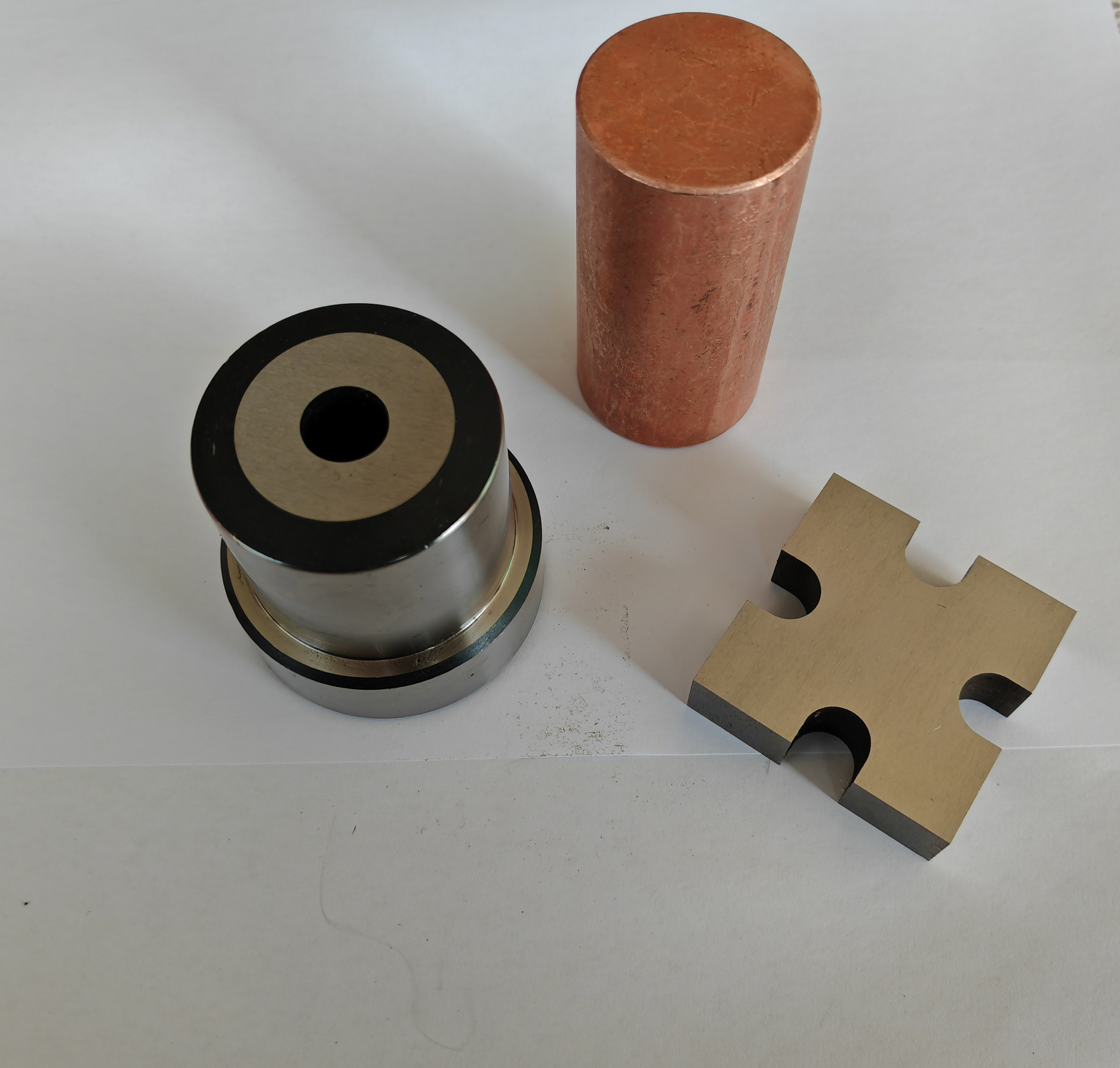
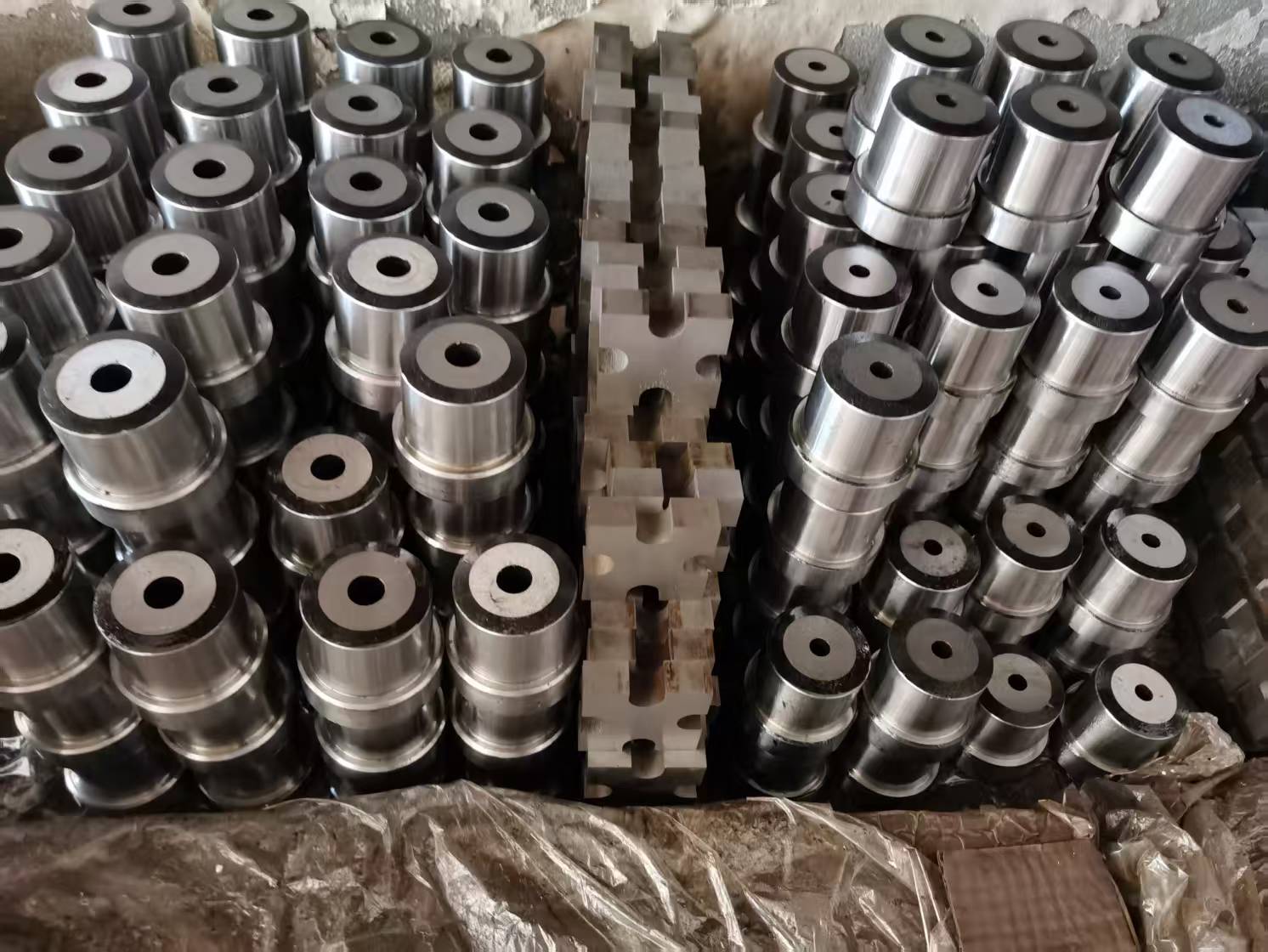
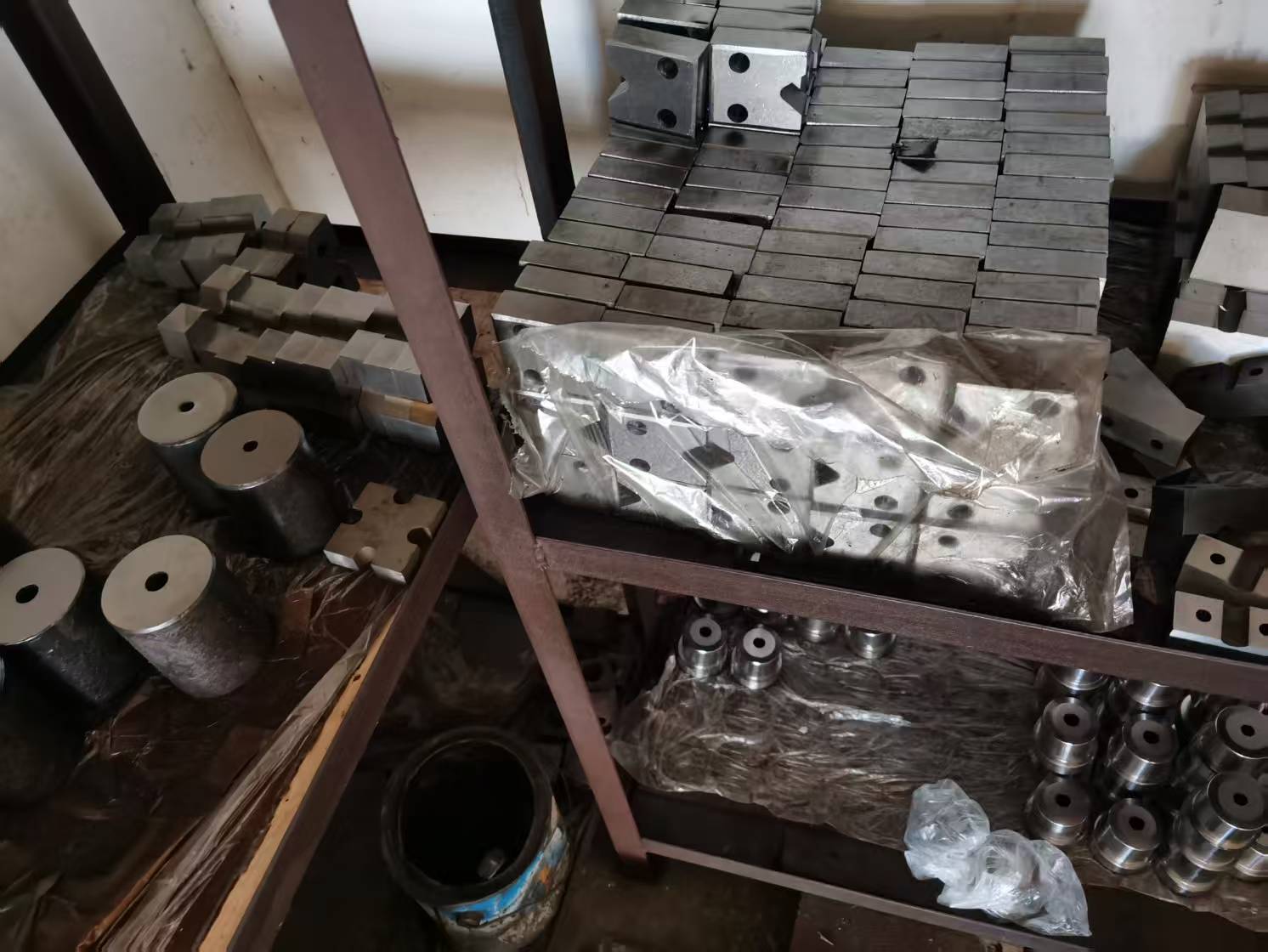
Fixed blades, movable blades, heading dies and steel bar clamps are the core special accessories for prestressed steel bar processing in concrete pipe pile and PHC pile production. They cover the entire process of fixed-length blanking and cutting, end upsetting, tensioning and clamping of high‑strength prestressed steel bars.
The precision, material performance and matching adaptability of these components directly determine steel bar processing quality, which further affects prestressed anchoring reliability, structural strength and the overall qualification rate of finished pipe piles.
Fixed & Movable Blades: Core Cutting Accessories for Prestressed Steel Bars
Fixed and movable blades are dedicated wear parts for shearing high‑strength prestressed steel bars. Unlike general cutting tools used for pipe or blank cutting, these blades are specially designed for small‑diameter, high‑tensile PC steel bars.
Their main functions include fixed‑length blanking of steel bars and trimming of excess sections after tensioning, serving as key shearing components in the full processing line.
Blade Working Principle
Supported by the fixed blade and driven by the reciprocating motion of the hydraulically powered movable blade, stable and precise shear force is generated. This achieves burr‑free, vertical cutting of PC steel bars and prestressed steel wires, ensuring consistent blanking length and avoiding cutting defects that would negatively affect subsequent upsetting and tensioning.
Applicable Specifications
Mainly used for standard prestressed steel bars in pipe pile production: Φ7.1 mm, Φ9.0 mm, Φ10.7 mm, Φ12.6 mm.
Material Selection & Performance Requirements
Steel bar cutting involves high‑intensity shear force and continuous metal friction, so the blade material must have excellent wear resistance and edge chipping resistance. The most commonly used material is Cr12MoV cold work die steel, favored for its high hardness, good toughness and strong dimensional stability under heavy load.
Chemical Composition of Cr12MoV and Its Effects
Cr12MoV is a high‑carbon, high‑chromium alloy tool steel with typical chemical composition (mass fraction):
Carbon (C): 1.45–1.70% — Provides high hardness and wear resistance after quenching, ensuring the cutting edge maintains sharpness over long service life.
Chromium (Cr): 11.0–12.5% — Forms massive hard carbides, significantly improving wear resistance, hardenability and corrosion resistance.
Molybdenum (Mo): 0.40–0.60% — Refines grain structure, reduces temper brittleness, enhances high‑temperature strength and toughness, and prevents cracking during high‑speed shearing.
Vanadium (V): 0.15–0.30% — Further refines grains, improves toughness and edge stability, effectively preventing chipping and breakage under impact loads.
With proper vacuum heat treatment, Cr12MoV can reach a stable hardness of HRC 58–62, balancing high hardness and sufficient toughness to withstand millions of cutting cycles without losing precision.
Heading Die for Steel Bar Upsetting: Key Forming Accessory for Anchoring
The heading die is the core forming mold of the steel bar upsetting mechanism and a critical component for reliable prestressed anchorage. In pipe pile production, the end of each steel bar must be upset into a standard pier head to ensure secure connection with the anchor plate during tensioning.
The cavity precision of the heading die directly determines the forming quality of the pier head, which is essential for safe and stable prestress tensioning.
Steel Bar Heading Clamp: Precision Positioning & Clamping Component
The heading clamp is a dedicated positioning and clamping accessory used together with the heading die. Its core role is to firmly hold the steel bar and maintain high coaxiality between the steel bar and the die cavity, preventing eccentricity or movement during upsetting to ensure a round, full and uniform pier head.
Key Functions of Heading Clamp
High‑Precision Positioning
Controls coaxiality deviation between the steel bar end and die cavity within ≤0.03 mm, avoiding defects such as eccentric heads, flat heads or insufficient material filling.
Stable Clamping Under High Pressure
Secures the steel bar firmly under upsetting pressure of 50–200 kN without axial slipping, ensuring pier head diameter (usually 1.5–2 times the steel bar diameter) meets design requirements.
Steel Bar Surface Protection
The clamping surface fits closely to the steel bar to avoid surface damage or work hardening, preserving the original mechanical properties of the high‑strength steel bar.
Integrated Value of Core Accessories
Fixed blades, movable blades, heading dies and clamps form a complete set of core components for prestressed steel bar processing. With clear functional division and coordinated operation, they control processing quality from cutting to upsetting and tensioning.
Fixed and movable blades, as wearing parts, require reasonable material selection and regular replacement.
Heading dies directly determine anchoring safety and pile integrity.
High‑precision clamps ensure uniform prestress distribution and stable overall performance of PHC piles.
In automated PHC pile production lines, high‑quality, precisely ground blades not only improve cutting efficiency but also reduce burrs and ensure square ends, laying a solid foundation for high‑quality pier forming and reliable cage welding, ultimately improving the structural durability and safety of concrete pipe piles.