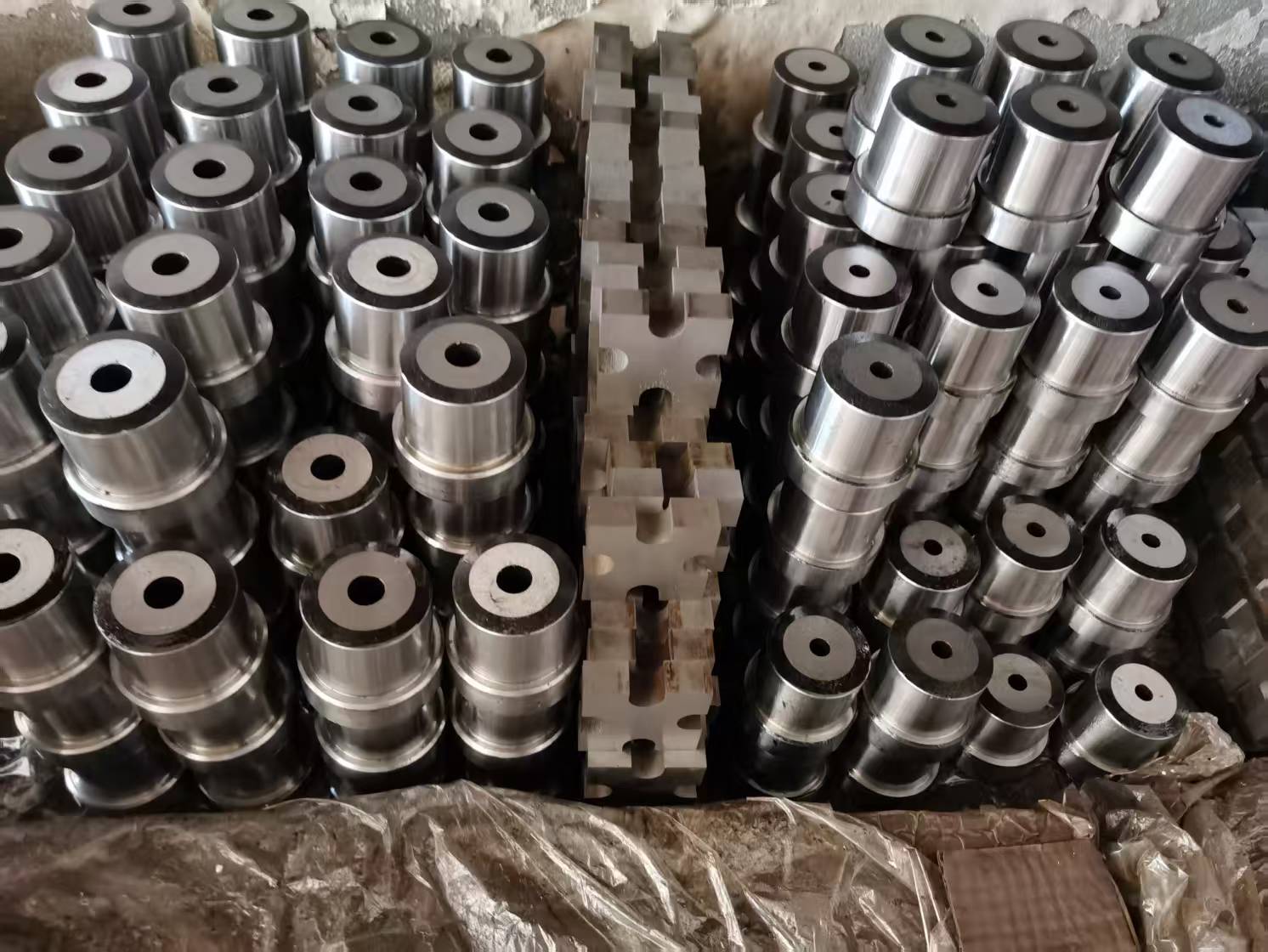
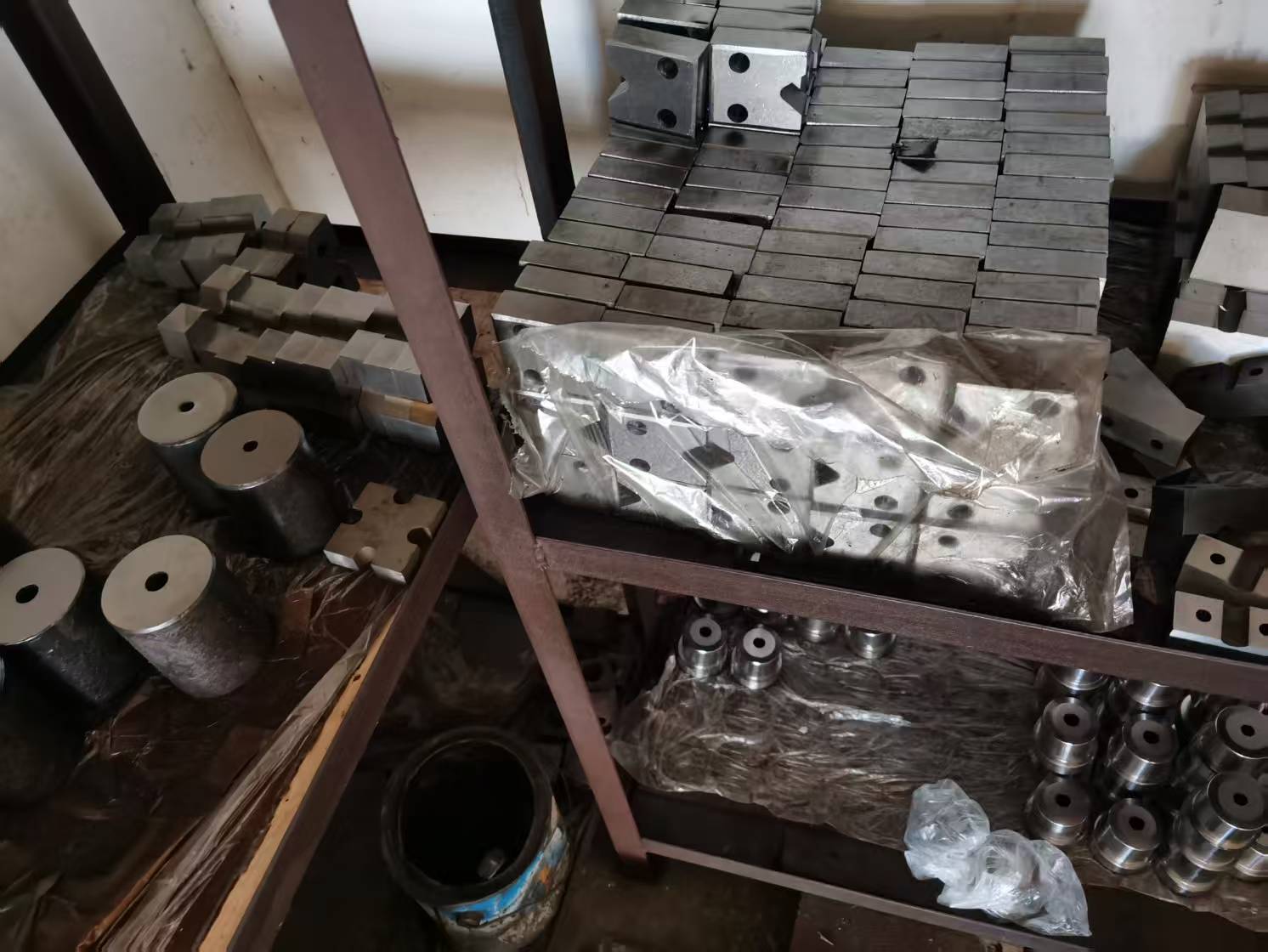
Premium PC Steel Bar Cutting Knives for High-Volume PHC Spun Pile Production
As a critical component of PHC spun pile plant consumables, premium ALAS pre-stressed steel bar cutting knives are specifically engineered to withstand the most demanding manufacturing environments. Crafted from top-grade Cr12MoV alloy steel / D2 steel, each high-tensile PC bar cutter blade manufactured by ALAS undergoes an advanced vacuum heat treatment process to achieve an unyielding HRC 60-63 high hardness, delivering outstanding wear resistance without the risk of micro-cracking.
Designed for high-speed, continuous operations, these heavy-duty fixed and movable cutting blades guarantee exceptionally clean, burr-free shearing on 1000-1500 MPa grade PC bars. They are perfectly compatible with modern, automatic PC bar cutting production lines, providing a precise fit for processing common prestressed steel wire diameters, including Φ7.1, Φ9.0, Φ10.7, and Φ12.6mm PC bars. Whether you are optimizing tool life or minimizing downtime in a high-volume spun pile facility, our precision-machined cutting dies offer the ultimate cutting performance and extended service life.
1. Key Points List
Precision PC Bar Cutter Blades – Key Benefits
Material: High-grade Cr12MoV cold-work die steel Carbon: 1.45–1.70%, Chromium: 11.0–12.5%
Hardness: HRC 60–63 Retains sharpness steadily when cutting PC bars with tensile strength up to 1420MPa+.
Toughness: Enhanced ductility Stops micro-cracks from forming under heavy impact during operation.
Shear Surface: CNC precision ground Smooth, burr-free end face, no extra finishing work needed.
Compatibility: Standard overall dimensions Fits most automatic PC bar cutting and processing lines directly.
Four Core Accessories for Prestressed Steel Bar Processing
Fixed & Movable Blades: Cut and blank high-strength prestressed steel bars
Heading Die: Forms upset ends on steel bars, a key part to ensure anchoring safety
Clamp: Secures and positions bars firmly, maintains accurate coaxiality and prevents offset
2. Specification Table (Fixed-Width Pure Text)
| Accessory Name | Material | HRC | Applicable Bar Diameter (mm) | Main Function |
| Fixed Blade | D2 | 55–63 | 7.1, 9.0, 10.7, 12.6 | Provides stable support for accurate shearing |
| Movable Blade | Cr12MoV | 55–63 | 7.1, 9.0, 10.7, 12.6 | Driven by hydraulic power to generate shear force |
| Heading Die | Alloy die steel | 58–62 | 7.1, 9.0, 10.7, 12.6 | Upsets bar ends for solid and reliable anchoring |
| Clamp | Hardened alloy | 50–55 (contact surface) | 7.1, 9.0, 10.7, 12.6 | Positions and clamps bars; coaxiality ≤ 0.1mm |
3. FAQ (Frequently Asked Questions)
Q1: How often should PC bar cutter blades be replaced?
A: For regular high-volume production of PHC spun piles, which runs 8,000 to 12,000 cuts each day, check blade edges every 2 to 4 weeks. Replace blades right away if wear reaches over 0.3mm or you spot chipping. Cr12MoV blades can serve 2 to 3 times longer than regular tool steel blades.
Q2: Will these blades work with my existing automatic cutting line?
A: Yes. We follow industry standard sizes and mounting hole layouts, so our blades suit most mainstream automatic PC bar cutting equipment. We can also make custom products according to your design drawings.
Q3: What level of precision does the heading die cavity offer?
A: The die cavity is fully machined on CNC equipment and finely polished. Its roundness tolerance is within 0.02mm, and surface roughness Ra is no more than 0.4μm. After forming, the bar head measures 1.5 to 2.0 times the bar diameter with no burrs left.
Q4: How does the clamp keep bars aligned properly?
A: It comes with V-shaped grooves and adjustable pressure blocks. When paired with the heading die, coaxiality error stays below 0.1mm. We suggest using a standard test bar to check alignment at the start of every work shift.
Q5: Do you accept small trial orders?
A: Yes. The minimum quantity for trial orders is 5 complete sets, including fixed blade, movable blade, heading die and clamp. You may sign a long-term supply contract once the trial run goes well.
4. Step-by-Step Guide: PC Bar Cutter Blade Replacement
Step 1: Shut down the machine and release hydraulic pressure
Stop the entire cutting line completely. Turn off the hydraulic pump and drain all residual pressure from the system.
Step 2: Remove the blade guard
Use a hex key to loosen and take out the four M8 bolts, then remove the blade guard.
Step 3: Take out old blades
Loosen the fastening bolts and remove the movable blade first, then take off the fixed blade. Note: Blades have sharp edges. Wear cut-resistant gloves to avoid injury.
Step 4: Clean mounting slots
Wipe away iron filings and dust in the slots using a brass brush or compressed air. Make sure all mounting surfaces are flat and clean.
Step 5: Fit and adjust new blades
Set the new fixed blade into place, align it properly and tighten the bolts preliminarily to 30 N·m. Install the movable blade next. Adjust the shear gap between two blades to 1% to 2% of the steel bar diameter. For a 10mm diameter bar, the gap should be 0.10mm to 0.20mm. Use a feeler gauge to check the gap. Once adjusted correctly, fully fasten all bolts to 50 N·m.
Step 6: Carry out test cutting
Run the hydraulic system manually and cut a piece of scrap bar. A good cut should have a flat, burr-free surface with no slanted edges. Readjust the gap if any issues occur.
Step 7: Reinstall guard and resume production
Put the blade guard back and tighten all bolts. Restore hydraulic power to the system. Write down the installation date for later service life reference.