86-15852949220      mt@alasmachinery.com
NANJING ALAS INTERNATIONAL CO., LTD
You are here: Home » Products » Rolling Mill Wear Plates » Bimetallic Composite Sliding Plates for Metal Rolling Mills

Product Category

Contact Us

loading

Share to:
sharethis sharing button

Bimetallic Composite Sliding Plates for Metal Rolling Mills

Boost your steel production efficiency with durable bimetallic composite slide plates tailored for metal rolling mills.
Built to endure intense pressure, high heat and corrosive working conditions, these wear resistant plates feature sturdy steel base paired with hard-wearing bronze or alloy surface layer.
The slide plates deliver low friction, reliable self-lubrication and strong shock resistance. Custom processed strictly per your design drawings, they fit seamlessly as mill housing liners and sliding blocks. Effectively cut equipment downtime and lower routine maintenance expenses on site.
  • L/C, T/T, Paypal, Money Gram

Availability:
Quantity:

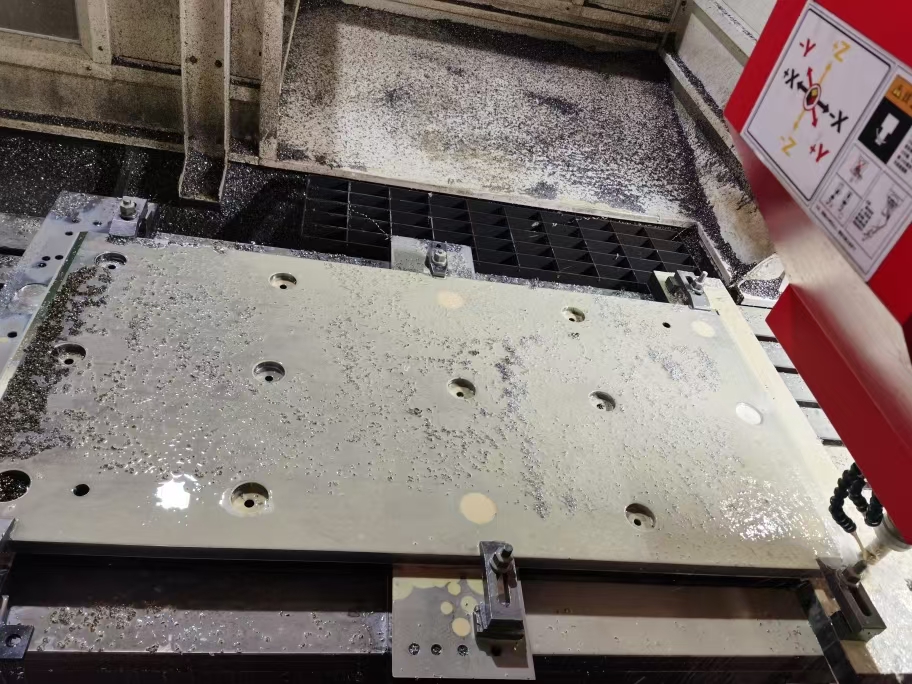
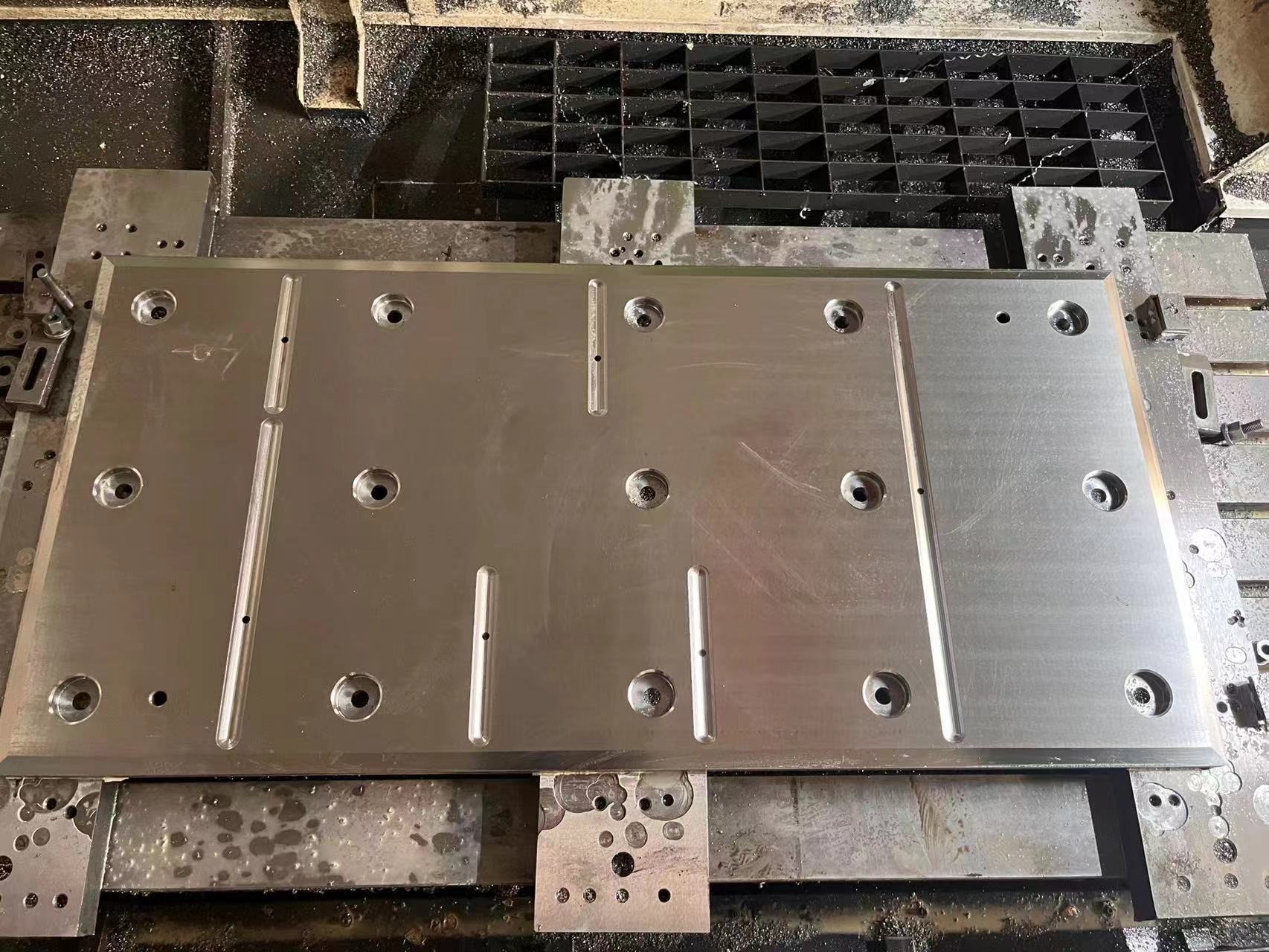
Precision Machining of Custom Bimetallic Composite Sliding Plates


Bimetallic Composite Sliding Plates: Premium Rolling Mill Wear Plates for Modern Rolling Mills

Bimetallic composite sliding plates, universally known as high-performance rolling mill wear plates or rolling mill liners, are indispensable core wearable components for all types of hot and cold rolling mill equipment. Installed on the inner wall of rolling mill housing windows, these professional rolling mill wear plates undertake critical support and precise guidance for rolling bearing chocks. They thoroughly solve the dual defects of traditional single-material steel wear plates, delivering stable, long-lasting wear resistance and structural protection for rolling mill units through mature processes including metallurgical bonding, explosive cladding, and overlay welding.

Core Functions of Bimetallic Composite Sliding Plates & Rolling Mill Wear Plates

The superior performance of bimetallic composite sliding plates defines them as standard-grade rolling mill wear plates for heavy-duty rolling production. Their four core functions directly determine equipment stability, production efficiency and overall mill service life:

1. Protect Rolling Mill Housing, Reduce Equipment Losses

The mill housing is the most high-value fixed structure of rolling mill equipment. During continuous production, bearing chocks perform frequent vertical and horizontal reciprocating movements, generating severe friction and extrusion. Professional rolling mill wear plates represented by bimetallic composite sliding plates bear all surface wear instead of the costly mill housing. Regular replacement of these low-cost composite rolling mill wear plates avoids expensive overall maintenance and structural repair of the mill housing, greatly cutting operational costs.

2. Achieve Precise Bearing Chock Guidance & Rolling Accuracy

High-precision positioning is the key to qualified steel rolling products. Bimetallic composite sliding plates as precision rolling mill wear plates effectively restrict lateral swinging and displacement of bearing chocks. Even under extreme high rolling pressure, they keep work rolls and support rolls in accurate operating positions, ensuring uniform thickness and stable dimensional accuracy of finished steel. All composite plates adopt fine finishing after metallurgical bonding and overlay welding, guaranteeing consistent precision of the rolling mill wear plates for long-term operation.

3. Buffer Impact Force & Prevent Mill Structural Cracks

Feeding of steel billets produces strong instantaneous impact force and mechanical vibration, which easily damages the mill housing structure. The dual-layer composite structure of bimetallic composite sliding plates endows these rolling mill wear plates with excellent shock absorption performance. They evenly disperse concentrated rolling impact force across the mill housing, absorb and weaken violent vibration, and fundamentally prevent structural fatigue and cracking of rolling mill equipment. Explosive cladding technology further enhances the overall impact resistance of heavy-duty rolling mill wear plates for hot rolling scenarios.

4. Resist Corrosion & Optimize Lubrication Protection

Rolling mill working environments feature complex media including cooling water, rolling emulsion, and hard oxide scale, which cause dual damage of abrasion and corrosion to equipment. The surface alloy layer of bimetallic composite sliding plates forms a stable lubrication and protection barrier with lubricating oil. These customized rolling mill wear plates block abrasive scale wear and water corrosion, effectively protecting the mill housing and extending the service cycle of key rolling mill components.

Main Application Scenarios of Rolling Mill Wear Plates (Bimetallic Composite Sliding Plates)

Customized bimetallic composite sliding plates serve as dedicated rolling mill wear plates for diverse rolling equipment, adapting to high temperature, heavy load, high friction and strong impact working conditions:
  • Hot & Cold Rolling Mill Housing Windows: Installed on work roll and support roll bearing chocks. Relying on high-strength metallurgical bonding, these rolling mill wear plates stably resist high-temperature oxidation and continuous friction in long-term rolling operations.

  • Material Pushing & Guiding Systems: Applied to push heads and guide plates. The bimetallic structure combines substrate toughness and surface wear resistance, enabling these bimetallic composite sliding plates to withstand frequent strong impact from steel billets.

  • Roll Changing Devices: Used for auxiliary sliding of heavy rolls during roll replacement. The low-friction surface of premium rolling mill wear plates ensures smooth sliding and avoids scratch damage to rolls and equipment.

Technical Advantages of Bimetallic Composite Rolling Mill Wear Plates

Traditional solid steel rolling mill wear plates have long faced a performance bottleneck: single steel material cannot balance toughness and hardness—hard steel is brittle and prone to cracking, while tough steel wears rapidly. Bimetallic composite sliding plates completely solve this pain point and become upgraded alternatives to ordinary rolling mill wear plates through three mature composite technologies.

Core Composite Processes

  • Metallurgical Bonding: Realizes atomic-level fusion of two metal layers with zero delamination risk, making theserolling mill wear plates suitable for ultra-heavy load rolling conditions.

  • Explosive Cladding: Adopts controlled detonation for uniform and high-strength metal bonding, ideal for manufacturing large-size heavy-duty bimetallic composite sliding plates for hot rolling mills.

  • Overlay Welding: Wears high-performance wear-resistant alloy on the high-toughness steel substrate, supporting personalized customization of rolling mill wear plates for different working conditions.

Dual-Layer Structural Superiority

The dual-layer design of bimetallic composite sliding plates gives these industrial rolling mill wear plates dual performance advantages:
  • Working Surface Layer: Made of high-chromium alloy, bronze and other wear-resistant materials, featuring high hardness, low friction, and excellent corrosion resistance, resisting daily abrasion and medium erosion.

  • Steel Base Layer: High-toughness flexible steel substrate, effectively absorbing vibration and impact force, avoiding brittle fracture of integral wear plates.

Why Choose Bimetallic Composite Sliding Plates Over Ordinary Rolling Mill Wear Plates?

  • Integrated Toughness & Stability: The high-strength composite structure prevents cracking and breaking of rolling mill wear plates, eliminating unexpected production downtime caused by wear plate failure.

  • Durable Edge Retention: Firm metallurgical bonding ensures the wear-resistant layer of bimetallic composite sliding plates does not peel off or deform under strong lateral shear force.

  • Low Maintenance Cost: The service life of composite rolling mill wear plates is 2–3 times that of ordinary single steel liners, greatly reducing replacement frequency and manual maintenance costs.

  • High Rolling Precision: Precision grinding after composite molding optimizes the fitting accuracy of equipment, reduces mill chatter, and significantly improves finished steel surface quality and flatness.

Customized Solutions for Professional Rolling Mill Wear Plates

AlasMachinery provides customized bimetallic composite sliding plates and one-stop solutions for hot strip mills, cold tandem mills, aluminum rolling mills and other equipment. We flexibly adjust the thickness of the base layer and wear-resistant layer, and select the most suitable composite process to produce exclusive rolling mill wear plates according to your actual working load, temperature and friction conditions. Our professional technical team cooperates in-depth with customer maintenance teams to recommend optimal material formulas (such as steel-bronze composite for hot rolling) to maximize equipment operation efficiency.

wear plates for rolling mills Back-up Roll Bearing Block Liners 7Rolling Mill Wear Plates

Global Supply & Services (Rolling Mill Wear Solutions):

  • English: Bi-metal Composite Sliding Plates

  • French (Français): Plaques de glissement bimétalliques

  • Portuguese (Português): Placas deslizantes bimetálicas

  • Polish (Polski): Bimetaliczne płyty ślizgowe

  • Turkish (Türkçe): Bimetal Kompozit Kayma Plakaları

  • Vietnamese (Tiếng Việt): Tấm trượt lưỡng kim

  • Thai (ภาษาไทย): แผ่นสไลด์ไบเมทัล

  • Filipino: Sliding Plate na Bi-metal

  • Arabic (العربية): ألواح انزلاقية ثنائية المعدن

  • Hindi (हिन्दी): द्वि-धातु स्लाइडिंग प्लेटें

  • Indonesian (Bahasa Indonesia): Pelat Luncur Bimetal

  • Malay (Bahasa Melayu): Plat Gelongsor Dwilogam

  • Dutch (Nederlands): Bimetalische glijplaten

  • Swedish (Svenska): Bimetalliska glidplattor

  • Hungarian (Magyar): Bimetál csúszólapok

  • Greek (Ελληνικά): Διμεταλλικές πλάκες ολίσθησης

包装

FAQ | Bimetallic Composite Sliding Plates / Rolling Mill Wear Plates

This FAQ covers practical questions about bimetallic composite sliding plates, also known as rolling mill wear plates. It includes product features, manufacturing processes, field applications, maintenance rules and custom services for rolling mill users.

Q1: What are bimetallic composite sliding plates / rolling mill wear plates?

These are dedicated wear-resistant parts for rolling mill equipment. As key rolling mill wear plates, they adopt a dual-layer composite structure:
  • Steel base layer: High toughness to absorb impact and prevent breakage

  • Alloy working layer: Hard surface that resists wear and corrosion (available in bronze, high-chromium alloy and other materials)

The two metal layers are tightly bonded through professional composite technology. This design fixes the performance defects of single steel plates and fits heavy-duty rolling mill working conditions perfectly.

Q2: How are they different from ordinary solid steel wear plates?

Conventional solid steel wear plates have obvious drawbacks in actual use:
  • Hardened steel plates crack easily under frequent impact

  • Tough mild steel plates wear out quickly with short service life

Bimetallic composite sliding plates combine the toughness of steel substrate and the wear resistance of special alloy. Their service life is 2 to 3 times longer than standard steel liners. No peeling, no fracture in operation, which effectively reduces mill downtime and maintenance expenses.

Q3: Can you make plates according to customer OEM drawings?

Yes, we provide full OEM custom fabrication for rolling mill wear plates and bimetallic composite sliding plates.
We customize all detailed structures strictly per your drawings:
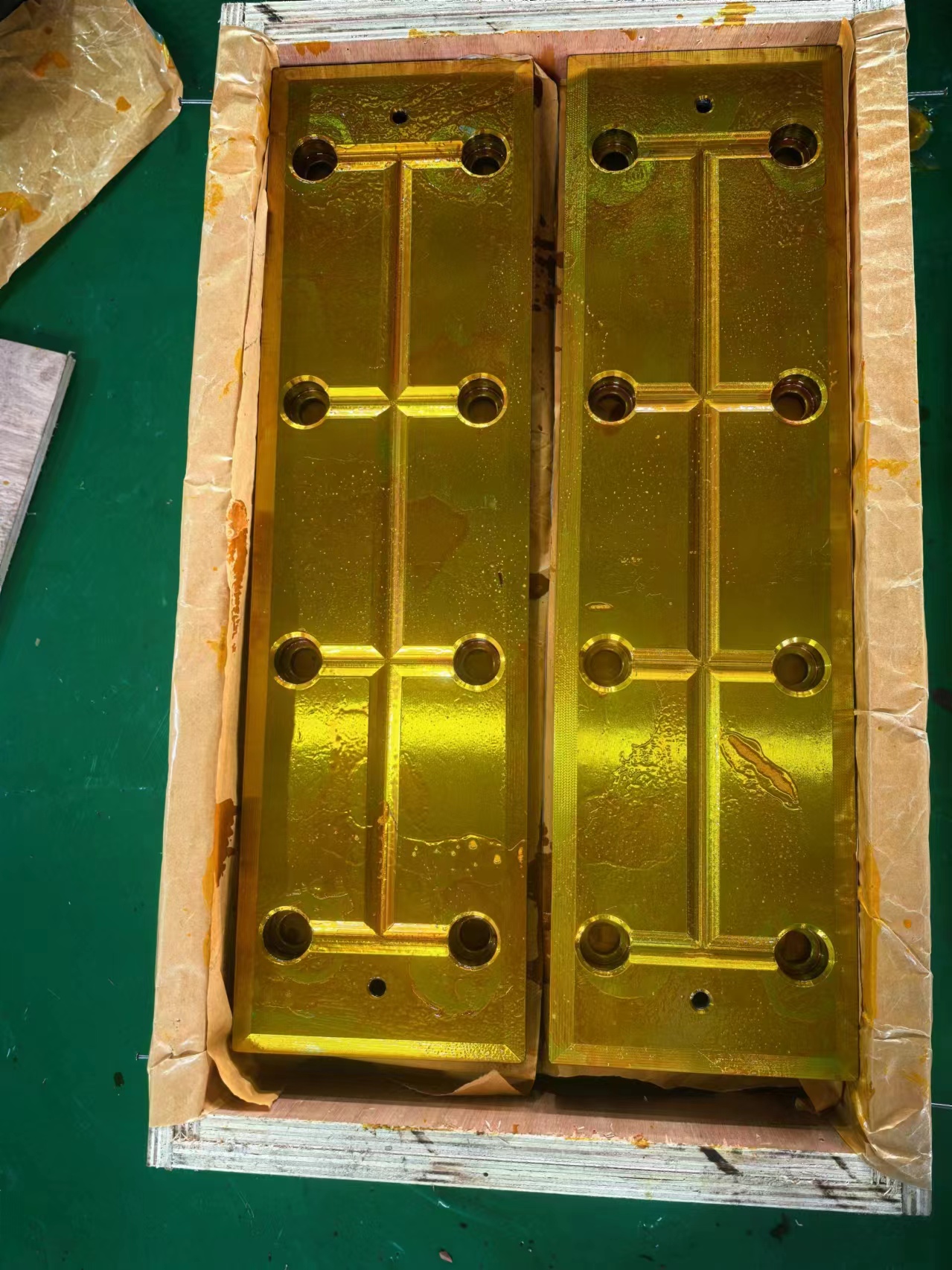
  • Precise custom oil groove patterns

  • Matching bolt hole positions and sizes

  • Full dimensional compliance with original equipment manufacturer standards

All custom products maintain stable composite performance and precise assembly tolerance for on-site installation.

Q4: What bonding technologies do you use?

We apply mature and reliable metallurgical bonding processes for all bimetallic composite sliding plates:
  • Metallurgical bonding

  • Explosion bonding & cladding

  • Overlay welding

All technologies achieve atomic-level fusion of double metal layers. The composite layers will never separate or delaminate under heavy pressure, strong impact and long-term sliding friction.

Q5: What are the applicable scenarios for each composite process?

  • Metallurgical bonding: Zero delamination, ideal for ultra-heavy load rolling conditions

  • Explosive cladding: Uniform and high-strength bonding, suitable for large-size hot rolling mill wear plates

  • Overlay welding: Flexible alloy layer configuration, adaptable to various customized working conditions

Q6: Will the bimetallic layer peel off during long use?

No peeling or delamination occurs in normal service. Our rolling mill wear plates adopt real metallurgical composite forming, not simple mechanical splicing.
The atomic-level bonding structure delivers reliable performance:
  • Excellent shear resistance

  • Strong impact resistance

  • Stable structure under friction, high temperature and continuous vibration

No layer separation or edge warping throughout the service cycle.

Q7: How does the dual-layer structure work?

  • Steel base layer: Offers solid toughness, absorbs vibration and instant impact during rolling to prevent plate breakage

  • Alloy surface layer: Features high hardness and low friction, resisting abrasive wear from oxide scale and corrosion from cooling water and rolling emulsion

This dual-layer structural design ensures long-term, precise and stable operation of rolling mill equipment.

Q8: Where are these rolling mill wear plates used?

Our bimetallic composite sliding plates are widely used on hot rolling mills, cold tandem mills and aluminum rolling mills.
Common installation positions:
  • Mill housing windows and bearing chocks

  • Material pushing and guiding systems

  • Roll changing auxiliary devices

The plates work stably in high-temperature, heavy-load, high-friction and frequent-impact working environments.

Q9: Can the plates work under high-temperature hot rolling conditions?

Yes. Our hot-rolling dedicated rolling mill wear plates adopt explosion cladding composite materials.
They keep stable hardness and wear resistance under long-term high temperature, resist high-temperature oxidation and thermal shock, and avoid rapid wear and failure compared with ordinary steel plates in hot rolling production.

Q10: How do the plates improve finished steel quality?

All bimetallic composite sliding plates are precision ground after composite forming to guarantee high fitting accuracy.
Actual production improvements:
  • Eliminate lateral shift and swing of bearing chocks

  • Stabilize roller position under high rolling pressure

  • Reduce mill chatter and mechanical vibration

  • Guarantee uniform thickness and smooth surface of finished steel products

Q11: What is the service life of bimetallic rolling mill wear plates?

Under standard rolling mill working conditions, our compositerolling mill wear plates last 2–3 times longer than traditional single steel liners.
The specific service life varies according to actual load, working temperature and operating frequency, effectively cutting replacement frequency and equipment shutdown time.

Q12: Do the plates need special daily maintenance?

No complex maintenance is required.
Simple daily maintenance suggestions:
  • Maintain good surface lubrication to avoid dry friction

  • Carry out regular visual inspection

The high-performance alloy layer has natural wear and corrosion resistance, greatly reducing daily maintenance workload and cost.

Q13: Can you provide personalized custom wear plates?

Yes, we support full personalized customization for allbimetallic composite sliding plates.
Adjustable custom parameters:
  • Thickness of steel base layer and wear-resistant alloy layer

  • Matching composite manufacturing processes

  • Custom material formulas (steel-bronze, high-chromium alloy and more)

We formulate targeted solutions and produce exclusive plates according to your actual equipment parameters and working conditions.

Q14: What technical and after-sales support do you offer?

We are not just a product supplier, but a professional technical partner for rolling mill supporting equipment.
Our full-range services include:
  • Professional product selection guidance

  • Custom process scheme optimization

  • Complete after-sales technical support

We help customers lower operating costs and boost overall production efficiency.


Previous: 
Next: 
200
Phone:
86-15852949220
Address:
Jiangning District, Nanjing
About Us

Nanjing Alas International Co., Ltd. is a professional industrial tooling manufacturer focused on shear blades, bending dies, shredder blades, and custom wear parts. We offer full application engineering, material selection, setup guidance, and after-sales support to global customers.
Tell us your requirements, and our engineering team will provide professional solutions for blade specification, tool life optimization, and cost-effective production.

Subscribe
Sign up for our newsletter to receive the latest news.
​Copyright 2021 NANJING ALAS INTERNATIONAL CO., LTD            苏ICP备2021025144号